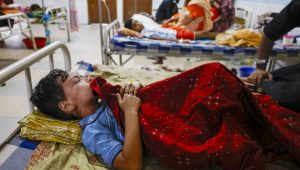
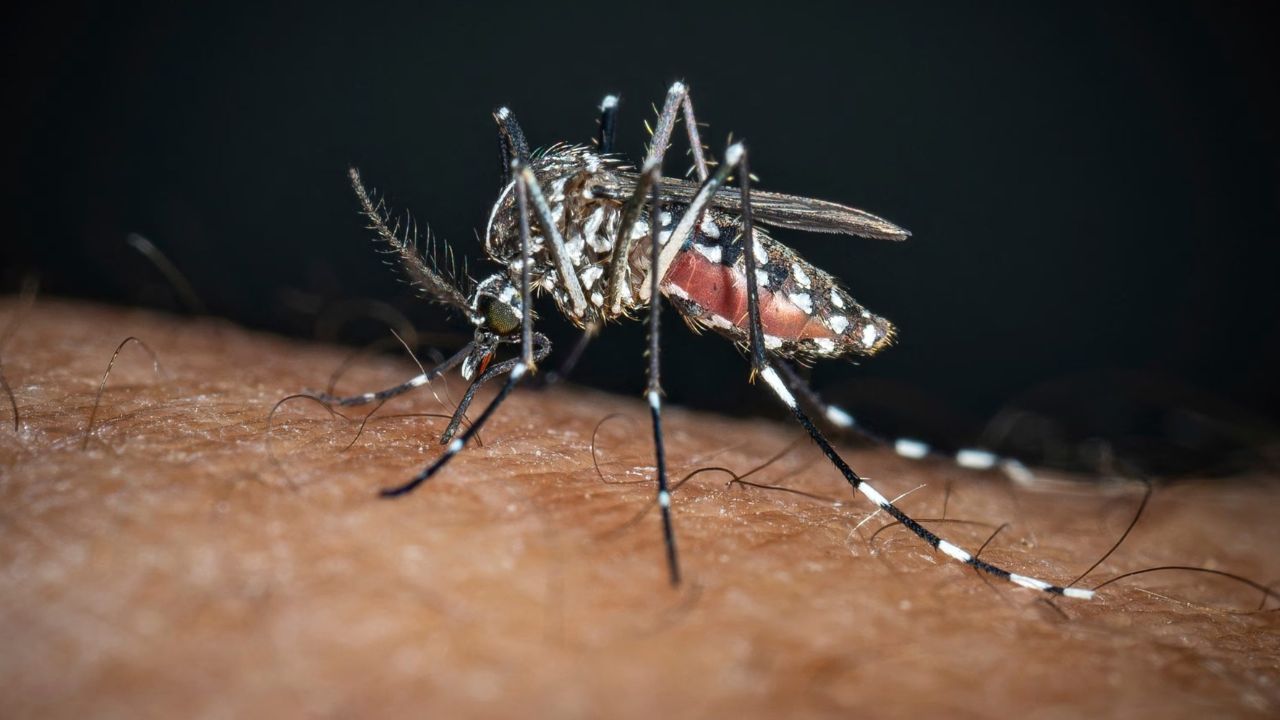



Data from the past five years show that the worst of the dengue outbreak in Chattogram usually begins in September. Yet, with more than a week still to go before the high-risk season begins, the number of dengue cases recorded in just the first 21 days of August this year has already surpassed the total for August last year.
The concern is that 730 people have contracted dengue in the first 21 days of this August, compared with 705 cases recorded throughout August last year. Since the beginning of this year, the total number of cases has reached 1,564.
This has raised fresh concerns ahead of September, October and November, historically the three riskiest months for dengue in Chattogram. Public health experts warn that if the upward trend seen in August continues into September, hospitals, healthcare services and mosquito-control efforts could all come under additional pressure.
What do five years of data show?
An analysis of Chattogram’s dengue situation in recent years shows a clear seasonal pattern. Although infections begin to rise with the onset of the monsoon, they often take a severe turn between September and November.
In 2022, 1,861 people contracted dengue in October and 11 died. The number of cases rose to 2,007 in November, when 19 people died.
The situation was even worse in 2023. A total of 3,892 cases and 21 deaths were recorded in September, while October saw 2,779 cases.
The risk remained high in October and November over the following two years. In October 2024, 1,430 cases were recorded, followed by 1,028 in November. In 2025, 990 cases were recorded in October and 1,007 in November.

The trend shows that although infections rise in July and August, the real test for Chattogram begins in September. The current situation in August, therefore, cannot be viewed as an isolated development.
August cases surpass last year’s total in just 21 days
The dengue situation this August is particularly concerning. While 705 cases were recorded throughout August 2025, more than 730 cases have already been reported in the first 21 days of this month.
In other words, the number of cases has surpassed last August’s total even before the month is over.
Health officials fear that stagnant rainwater, intermittent rainfall and the current pattern of rain followed by sunshine are creating favourable conditions for the breeding of Aedes mosquitoes. If these conditions persist in the coming weeks, the number of cases could rise further at the beginning of September.
Fewer deaths, but no room for complacency
Three dengue-related deaths have been recorded in Chattogram up to 21 August this year. During the same period last year, 14 people died of dengue.

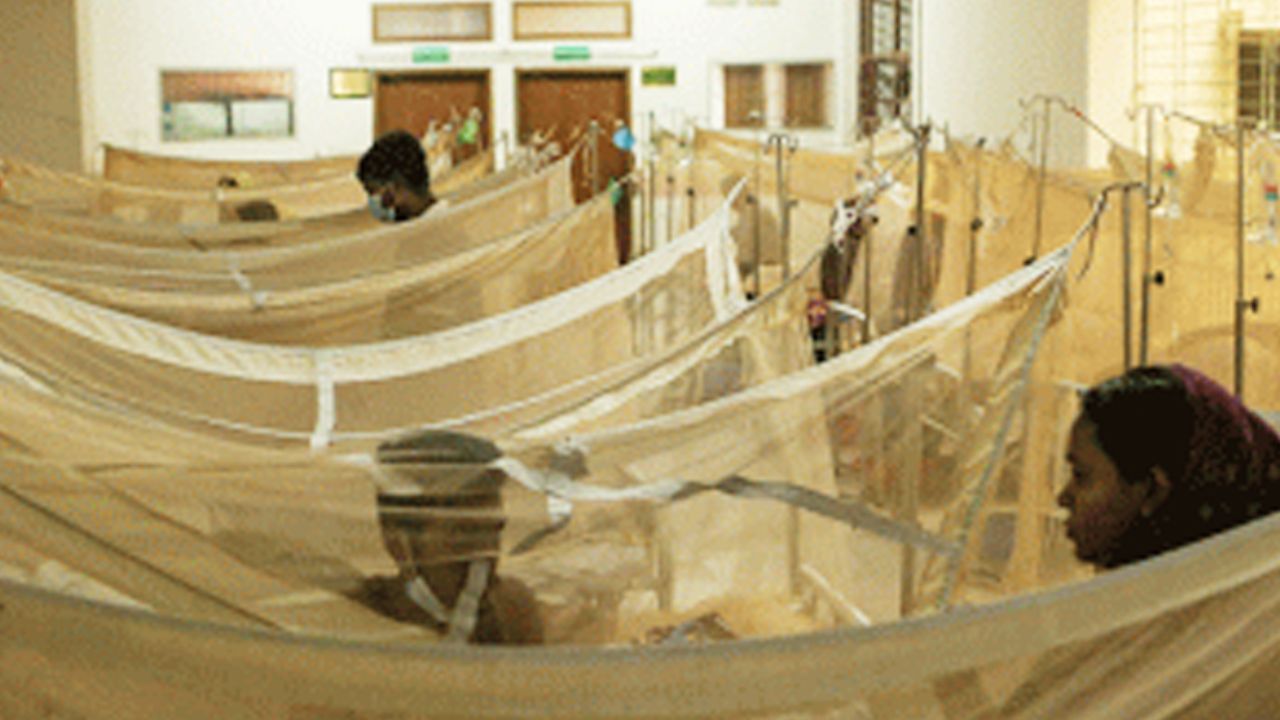


Although the number of deaths is lower this year, health experts caution against complacency. The fatality rate from dengue does not depend solely on the number of infections. How quickly patients seek hospital care, how rapidly the disease is diagnosed and the level of preparedness for treatment are also crucial factors.
Doctors say many patients this year are experiencing rapid deterioration in their condition. Some have been admitted with complications such as shock syndrome, severe diarrhoea, bleeding from the teeth or gums and internal bleeding.
Experts fear that if infections increase several-fold, it may become difficult to maintain the current level of capacity to keep the fatality rate under control.
Larvae found at 155 hotspots
The biggest challenge in controlling dengue is now eliminating Aedes breeding sites. A joint survey by Chattogram City Corporation and the health department has identified 155 locations in the city as mosquito-larvae hotspots.
The highest number, 31, was found in North Kattali, followed by 22 in Jalalabad, 15 in Panchlaish, and 10 each in Chawkbazar and West Bakalia.
Of particular concern is that the presence of mosquito larvae is not limited to densely populated or low-income areas. Aedes larvae were also found at important locations, including the premises of “Niribili”, the residence of former chief adviser Dr Yunus, Chattogram College, Haji Mohammad Mohsin College and Government Teachers’ Training College.
Mohammad Sarful Islam, an officer in charge of mosquito and malaria control at the city corporation, said the health department had identified eight city wards as highly vulnerable to dengue.
A detailed survey was conducted in six of those wards to identify potential breeding sites, he said, adding that 92 locations were found where stagnant water was allowing mosquitoes to breed. The remaining two wards will also be surveyed in phases.
Public health experts say dengue prevention cannot be left to a single agency or confined to specific areas. Regular monitoring is needed at government offices, educational institutions, homes and construction sites alike.
CMCH faces added pressure
Separate dengue wards have been opened at Chattogram Medical College Hospital and Chattogram General Hospital to handle the growing number of patients.
However, Chattogram Medical College Hospital treats not only patients from the city but also critically ill patients from neighbouring districts, including Noakhali and Khagrachhari.
If infections peak, pressure on these central hospitals could rise rapidly. Experts therefore say dengue corners should remain operational at upazila-level health complexes, with adequate testing and treatment supplies ensured so that patients who do not require specialised care can be treated locally.
Doctors advise people not to ignore fever, severe body aches or other symptoms of dengue and to seek medical advice promptly. Patients showing warning signs should go to hospital without delay.
Urgent preparations needed before September
The data from the past five years, combined with the infection trend seen this August, make one thing clear: Chattogram has yet to enter the most dangerous period of the dengue season.
The course of the outbreak from September to November will depend largely on how effectively Aedes breeding sites can be eliminated in the coming weeks and how quickly infected patients can be diagnosed and treated.
The fact that dengue cases in the first 21 days of August have already surpassed the total for the whole of last August is therefore more than just a statistic—it is an early warning of the risks ahead.
Dr Hamidullah Mehedi, assistant professor of medicine at Chattogram General Hospital, said mosquito-control efforts must be better coordinated, with special drives conducted at the 155 identified hotspots.
He also called for regular searches for mosquito larvae at educational institutions and public and private establishments, as well as immediate efforts to remove stagnant clean water from homes.
Without such measures, he warned, the dengue situation during September-November could become even worse than in previous years.