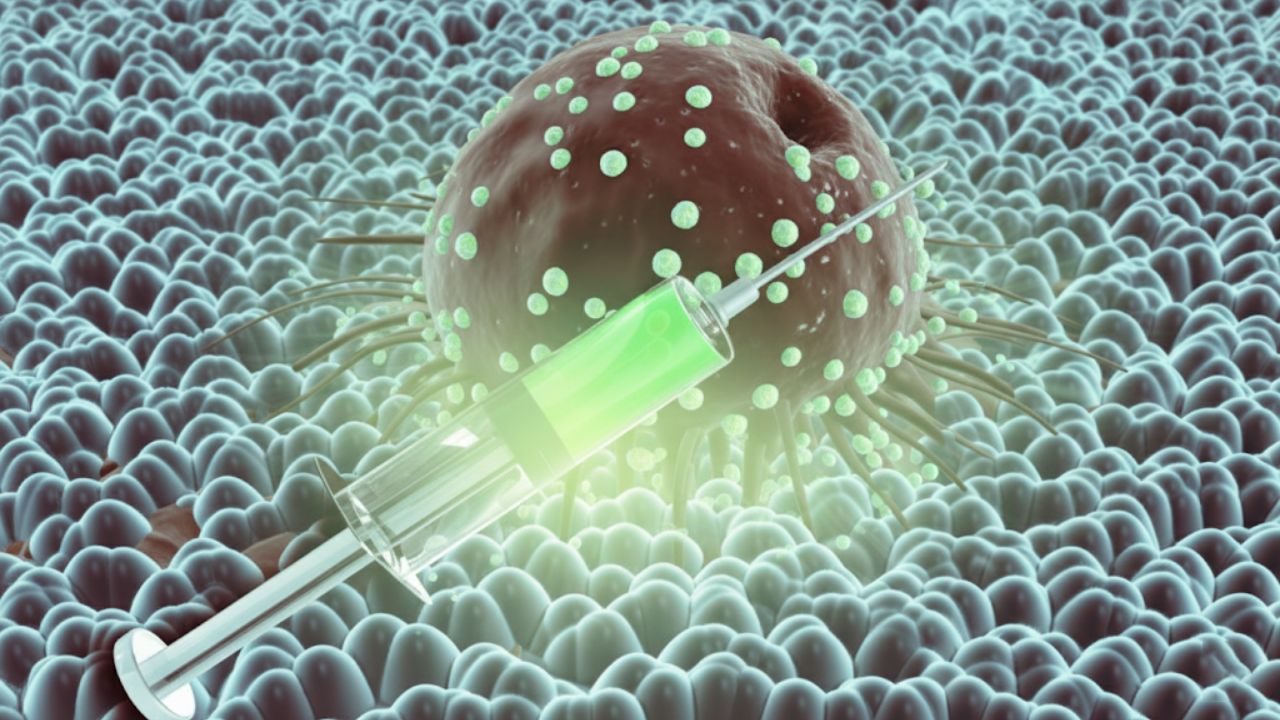



A new personalised vaccine given in combination with a drug has stopped skin cancer returning in patients during a trial, representing a potentially watershed moment in cancer treatment.
The vaccine, named Intismeran, was developed by drug companies Moderna and Merck & Co (known as MSD in Europe). It was administered to patients with high-risk melanoma—a type of skin cancer—after they had surgery. Early results show this new jab extended the length of time these patients were cancer-free, though it remains unclear for how long, reports BBC.
While cancer experts have hailed the development as a breakthrough, they emphasise caution as the full results have not yet been released or peer-reviewed by independent experts to examine and check the trial findings.
Even after the trials process has finished, the treatment would still need to be approved by regulators and then go through another approval process before it was made available on the NHS.

Significant phase three trial results
The phase three trial involved more than 1,000 patients who had high-risk stage two, three, or four melanoma. This meant they ranged from having large tumours in a specific area to cancers which had already spread to other parts of the body. The trial evaluated the vaccine in combination with Keytruda, an immunotherapy drug already used in cancer treatment.
Compared with taking Keytruda on its own, the companies said taking the drug and vaccine together significantly increased the time patients remained cancer-free and reduced the risk of the disease spreading to other organs. Shares in both Moderna and Merck have surged since the announcement.

How the mRNA technology works
The two companies are calling this a personalised vaccine, meaning it works by targeting an individual patient’s tumour. To create this new jab, scientists utilised mRNA technology—which was used for some Covid-19 vaccines—to target specific mutations within the cancer cells by surgically removing a small part of a patient’s tumour and then sequencing its DNA.
The result is a personalised anti-cancer jab specific to the patient’s tumour that instructs the immune system to recognise and attack any remaining tumour cells. The firms are also testing other similar personalised vaccines for lung, bladder, and kidney cancers.
Expert reactions and preparedness
Speaking to the BBC’s Today Programme, Prof Peter Johnson, National Clinical Director for Cancer at NHS England, called it an exciting development.
“Most of the cancer immune treatments we have been using up til now have been about cutting the immune system loose and hoping that it recognises the cancer,” Prof Johnson explained. “This [new treatment] is a way to direct it very specifically”. He added that it feels like a very important advance and noted that the NHS was preparing to bring this type of treatment to patients.
Moderna Chief Executive Stephane Bancel said the findings represent a “pivotal moment” in the field of cancer research.
Other cancer experts have welcomed the news as positive but are keen to stress that the findings are still early. Dr Talisia Quallo, head of prevention and early detection at Cancer Research UK, said the research “shows promise” but noted that the interim data still needs to be fully reviewed.
“It’s vital that research like this continues to be funded so that more people with cancer can have personalised treatment options to help them live longer, better lives,” she added.
Dr Lennard Lee, a consultant medical oncologist and associate professor at the University of Oxford, said, “This is certainly good news for patients with melanoma, but the study has much wider implications. It provides proof of principle that personalised cancer vaccines work.”