
Growing friction between the government and the opposition over constitutional amendments has sparked fresh fears that the implementation of the July Charter could face severe political deadlock.
The impasse extends beyond constitutional reform to the caretaker government system for elections and the amendment process itself, with both sides adopting increasingly confrontational stances.
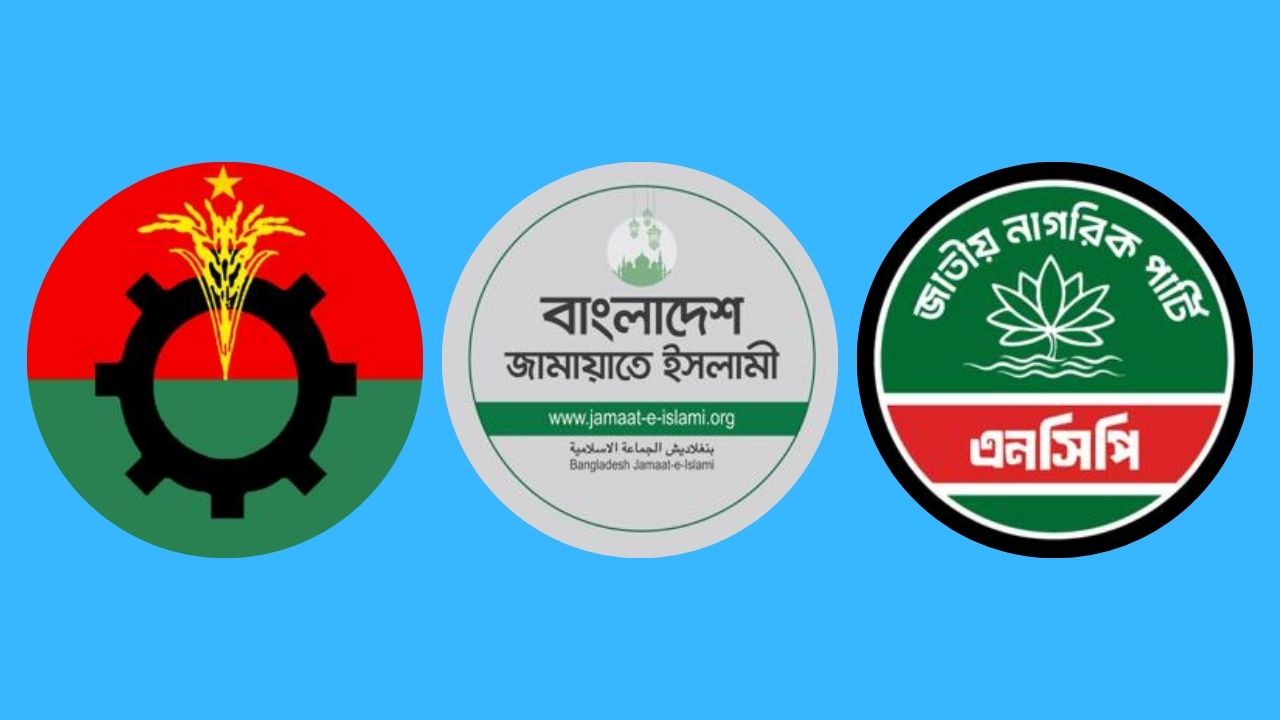
These tensions have intensified as Bangladesh marks the second anniversary of the July 2024 mass uprising, exposing deep fractures between the movement’s two primary political forces – BNP and Jamaat-e-Islami.
Holding a commanding parliamentary majority, the BNP possesses the numbers to pass amendments unilaterally.
However, political analysts argue that the post-uprising landscape makes such a heavy-handed approach highly problematic.
Despite threats of street protests from the Jamaat–NCP alliance, the BNP remains confident that the opposition will eventually engage.
Speaking to TIMES of Bangladesh, BNP Standing Committee member Khandaker Mosharraf Hossain said, “I hope opposition MPs will take part in the discussions.”

The Jamaat–NCP alliance remains steadfast in its boycott. Jamaat MP Mir Ahmad Bin Kasem said, “We want to cooperate with the government, but we hope they will move forward by working alongside the opposition.”
Opposition Chief Whip and NCP Convener Nahid Islam struck a harder line, “The referendum result and the July Charter must be implemented. Discussions on constitutional reform must begin in parliament first, there will be no discussion without reform. If the caretaker system is delayed, the government will bear sole responsibility.”
Dhaka University political science professor Mamun Al Mostofa observed that while the BNP and Jamaat have been allies since the late 1970s, cracks have emerged following the 2026 election.
“The question is how long they will last. I believe these differences will continue until the Awami League returns to politics,” he said, “Jamaat will not do anything that creates conditions for the ousted party to make a political comeback.”
What happened in parliament?
On 9 July, the Appellate Division upheld a High Court ruling that abolished both the caretaker government system and referendums. Crucially, the court clarified that parliament would determine what future arrangements, if any, should be put in place.


Following the verdict, the government formed a special parliamentary committee to draft the constitutional amendments.
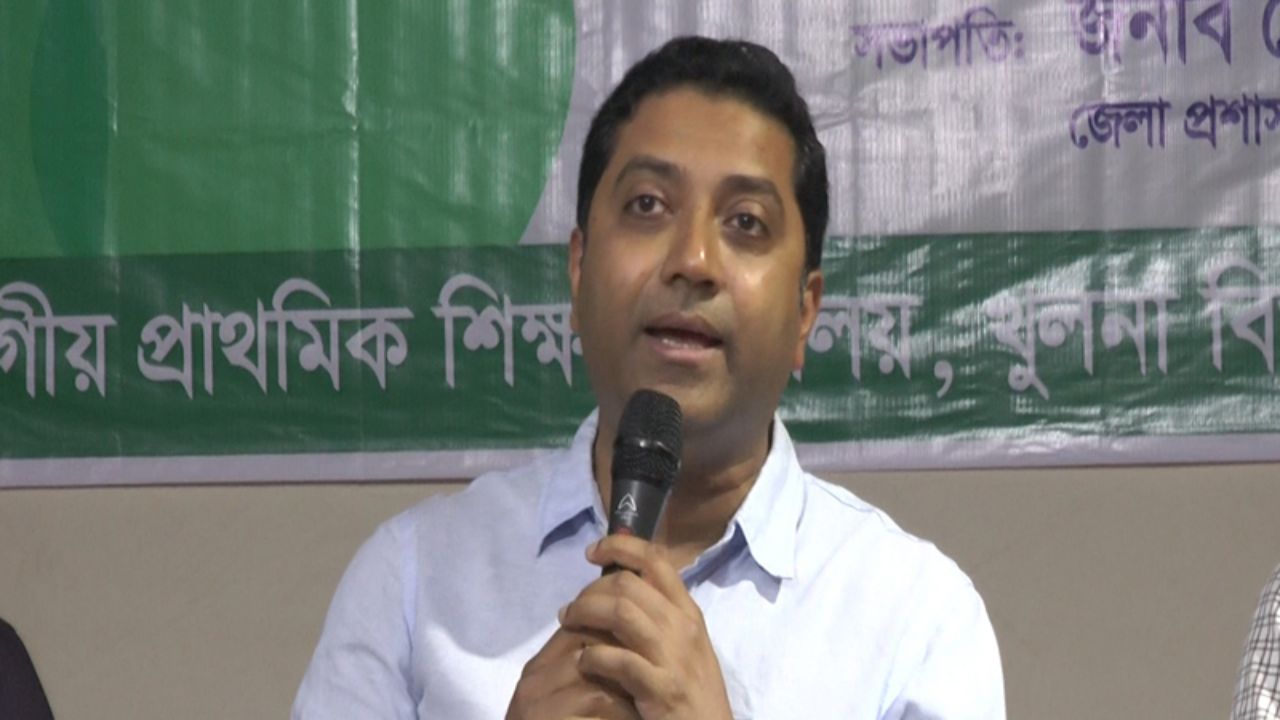
Chief Whip Mohammad Nurul Islam told TIMES that seats on the committee were deliberately kept vacant to ensure opposition participation.
“Despite repeated invitations, opposition MPs have neither joined the discussions nor nominated members to the committee,” Islam said. He added that the amendment process has effectively stalled due to this boycott. “They appear to be searching for issues around which to build a political movement. Let us see what happens in the next parliamentary session.”
The Jamaat-led opposition alliance has rejected the special parliamentary committee outright. They argue that, in line with the referendum verdict, a Constitutional Reform Council should be established before any parliamentary action takes place.
BNP’s shifting position before and after polls
During the general election campaign, BNP Chairman and current Prime Minister Tarique Rahman actively urged voters to back the referendum by voting “Yes”.
However, following the election, the party said it had merely accepted the referendum outcome to avoid disrupting the national polls.
Home Minister Salahuddin Ahmed, the government’s foremost debater in parliament, has since said unequivocally that neither the referendum nor a Constitutional Reform Council is recognised under the constitution, and confirmed the government will not pursue either mechanism.
Meanwhile, the Jamaat-NCP alliance insists that the July Charter must be implemented in full and that the referendum result, supported by nearly 69 per cent of voters, must be respected. They argue that this mandate necessitates the creation of a Constitutional Reform Council.
The home minister rejected this argument outright, maintaining that the Constitution provides no such mechanism.
He stressed that legislative authority and the power to amend the Constitution rest exclusively with parliament, meaning no entity other than parliament has the authority to alter it.
He added that the proposed 18th Constitutional Amendment Bill would only be drafted after extensive consultations with judges, lawyers, constitutional experts, academics, media representatives, and political parties.
BNP’s constitutional commitments
The BNP’s election manifesto outlines 35 specific commitments, with the highest priority given to implementing the July Charter, signed on 17 October 2025.
Key proposals include creating the post of vice-president, rebalancing the powers of the president and prime minister, and capping a prime minister’s tenure at a maximum of 10 years.
Furthermore, the party has pledged to establish a 100-member upper house, ensure deputy speakers in both chambers are elected from the opposition, amend Article 70, which currently strips MPs of their seats for voting against their party, and mandate that parliament be informed of all international treaties.
When asked how the government would respond if the Jamaat-NCP alliance refused to engage in the amendment process, BNP Standing Committee member Khandaker Mosharraf Hossain said, “Nothing can be said before discussions begin. Let an environment for dialogue be created first.”
NCP Joint Convener Sarwar Tushar was less optimistic, “If the government continues on its current path, I do not believe the aspirations of July will be realised, nor will the expectations of the people be met. Instead, the BNP is attempting to impose its own party agenda on public aspirations. There is nothing new left to discuss.”
Professor Mamun Al Mostofa suggests that the BNP viewed the July Charter primarily as an electoral strategy, and that, having won the election, it now holds largely symbolic value for the party.
For Jamaat, however, the charter has become a political lifeline. Consequently, the party will continue to use it as leverage while carefully avoiding any course of action that might cause a permanent rupture with the BNP.