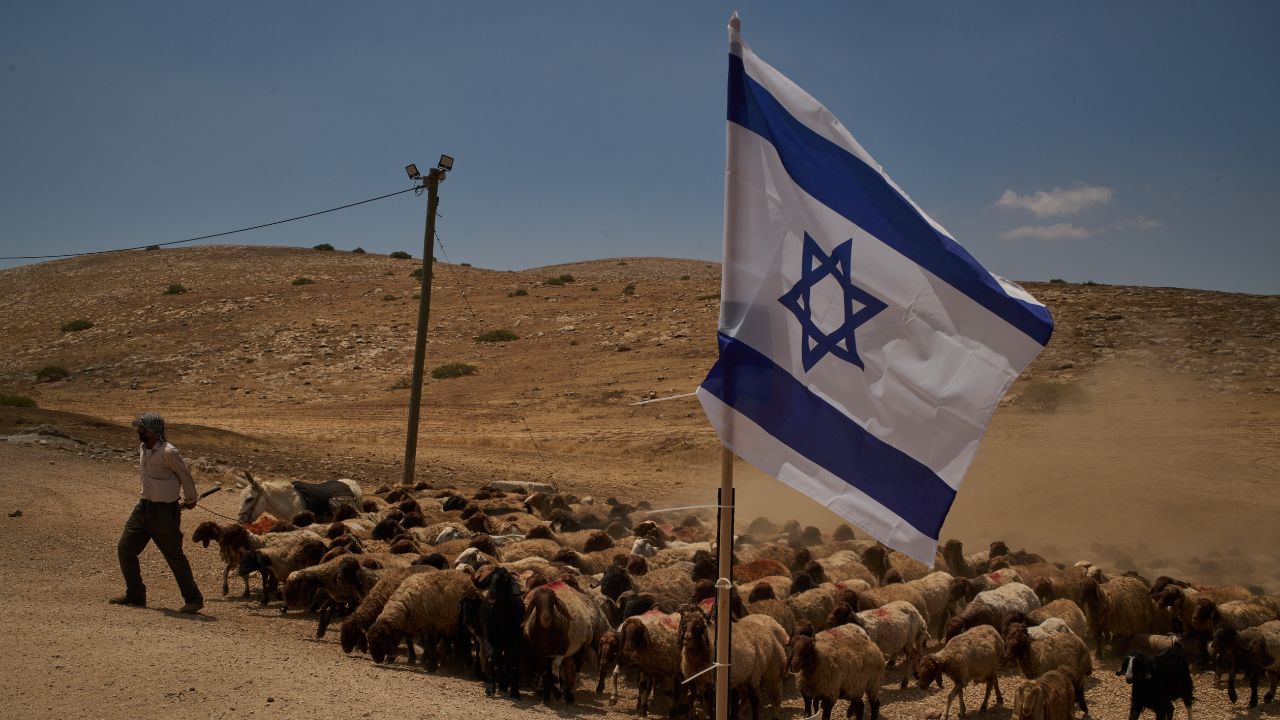

The blue-and-white Israeli flags flutter from hilltops and line the roads of the occupied West Bank, signalling the growing presence of Israeli settlements and the outposts they are building on Palestinian land.
For shepherds in the Jordan Valley, as well as in Masafer Yatta – a cluster of villages in the southern West Bank – the flags and expanding settlements have become inescapable features of the landscape, reminders of how daily life has narrowed.
Thiab Draghme and his brother, Ayman, led their flock across the dry hills of the Jordan Valley, returning to their community after searching for grazing land. Their route is carefully chosen.

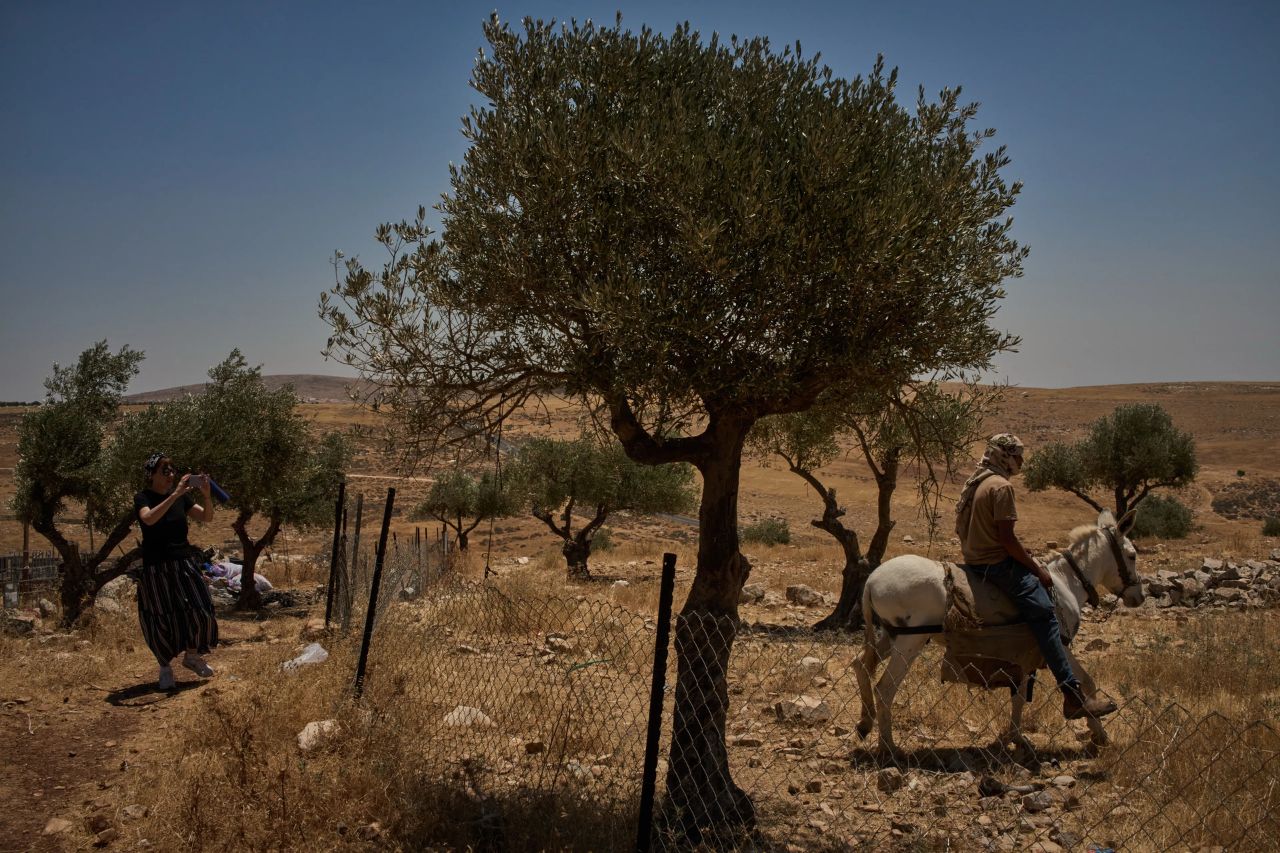
Some pastures are no longer considered safe because of increasing attacks by settlers. Others can be reached only with Israeli activists walking alongside them, documenting encounters with settlers and Israeli troops and providing what they call a protective presence.
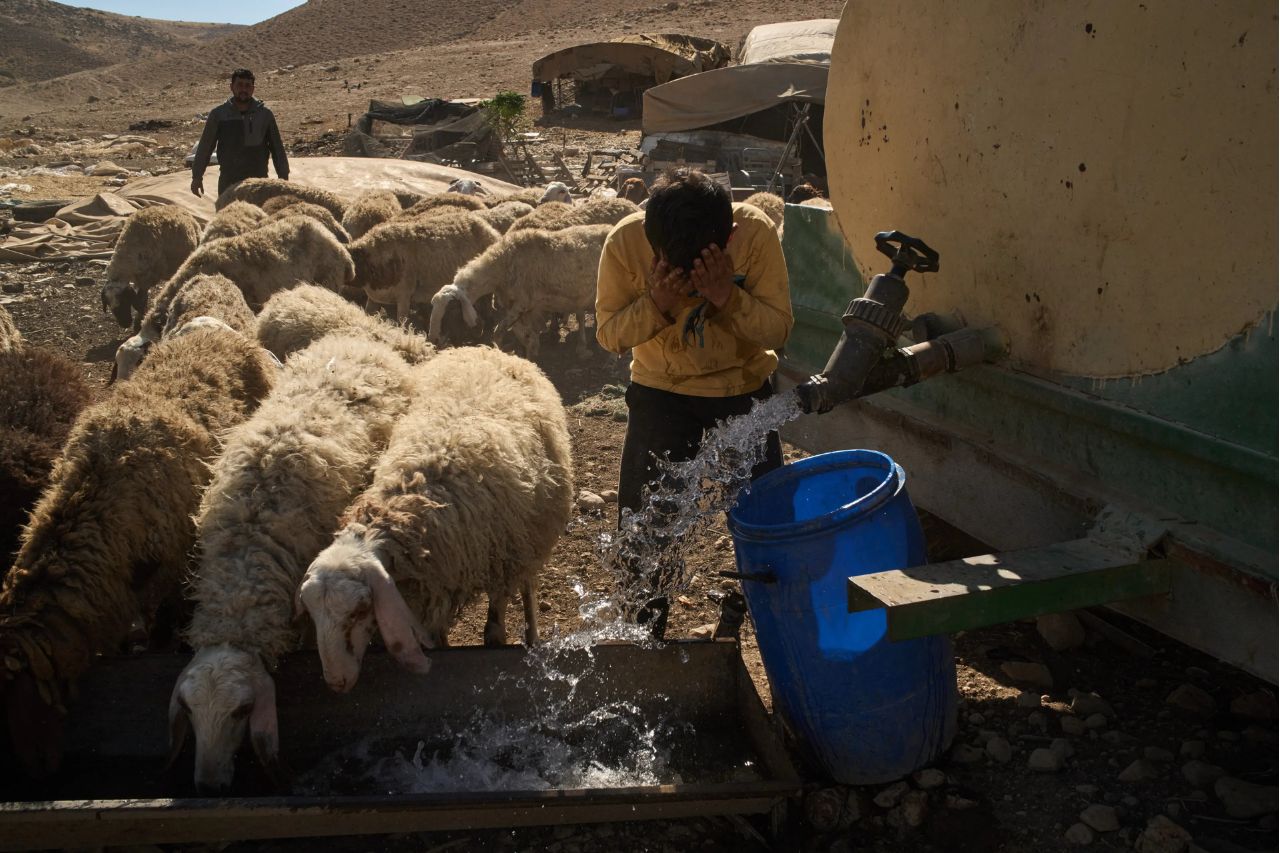
Shepherding has changed little over generations. The risks surrounding it have. “We are people of generosity and hospitality,” said Thiab, a father of eight tells AP. “We want to live in peace.” He said his children have grown up surrounded by Israeli demolitions, displacement and uncertainty. “What kind of future is that for a child?”




For the shepherds of the Jordan Valley and Masafer Yatta, the land is not just pasture – it is home, identity, and livelihood. But as settlements expand and outposts multiply, the space available for grazing shrinks.
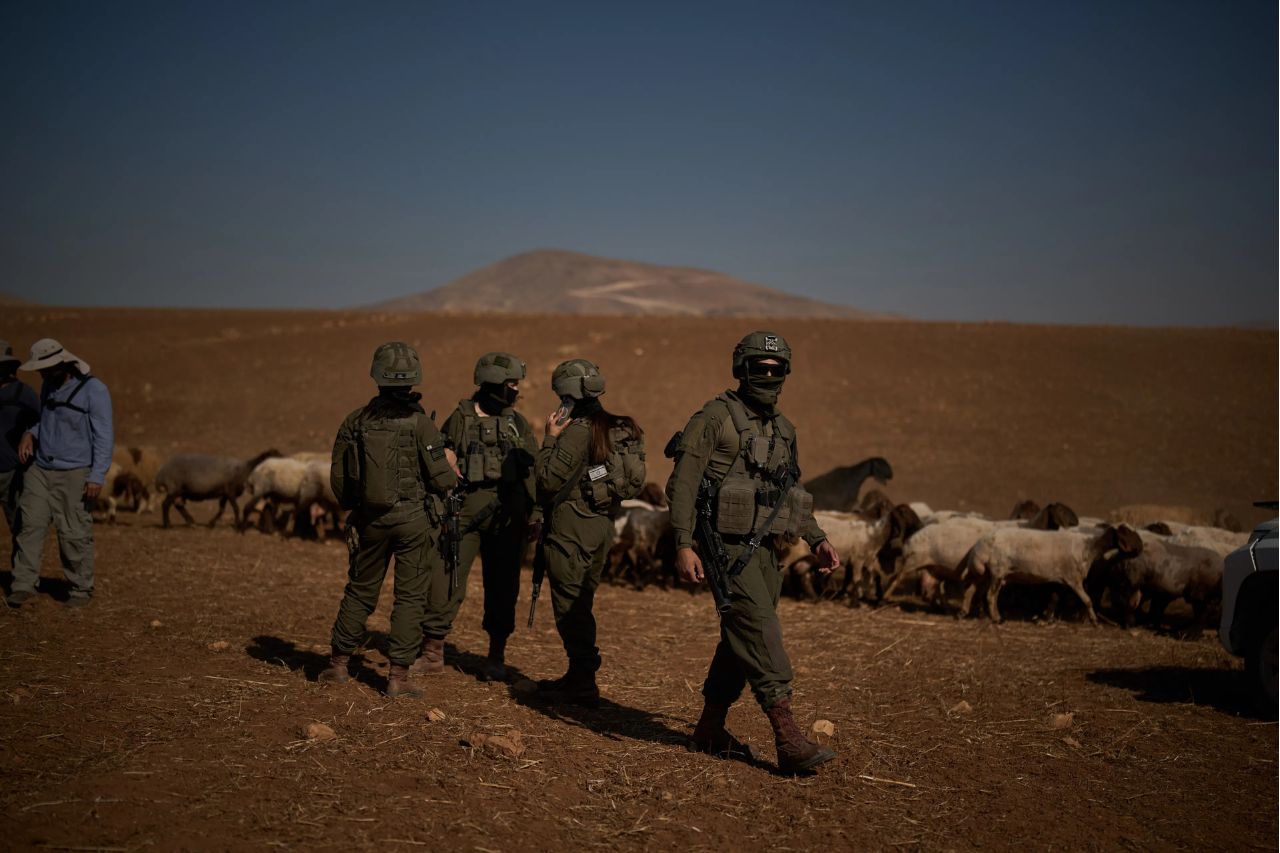
Families like the Draghme brothers find themselves navigating an increasingly restricted terrain, where even the act of tending to livestock has become fraught with danger.
The presence of Israeli activists, walking alongside the shepherds to document confrontations, underscores the fragility of their existence. Without that protective presence, many pastures remain out of reach – too dangerous to access, too vulnerable to attack.
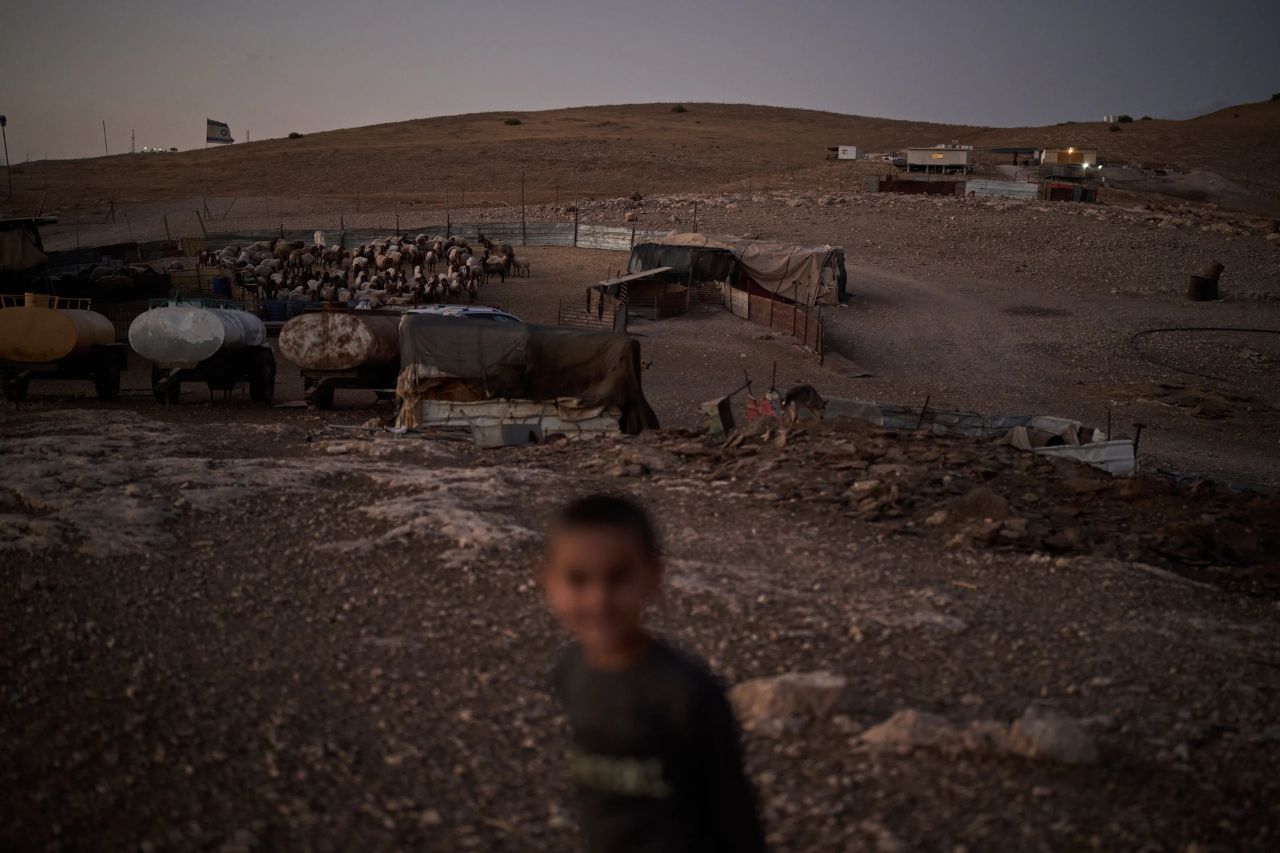
Yet despite the pressures, the shepherds continue. They lead their flocks across the hills, searching for grass and water, holding onto a way of life that has sustained their communities for generations.
For Thiab and his family, the blue-and-white flags on the hilltops are a constant reminder of a future that seems increasingly uncertain.