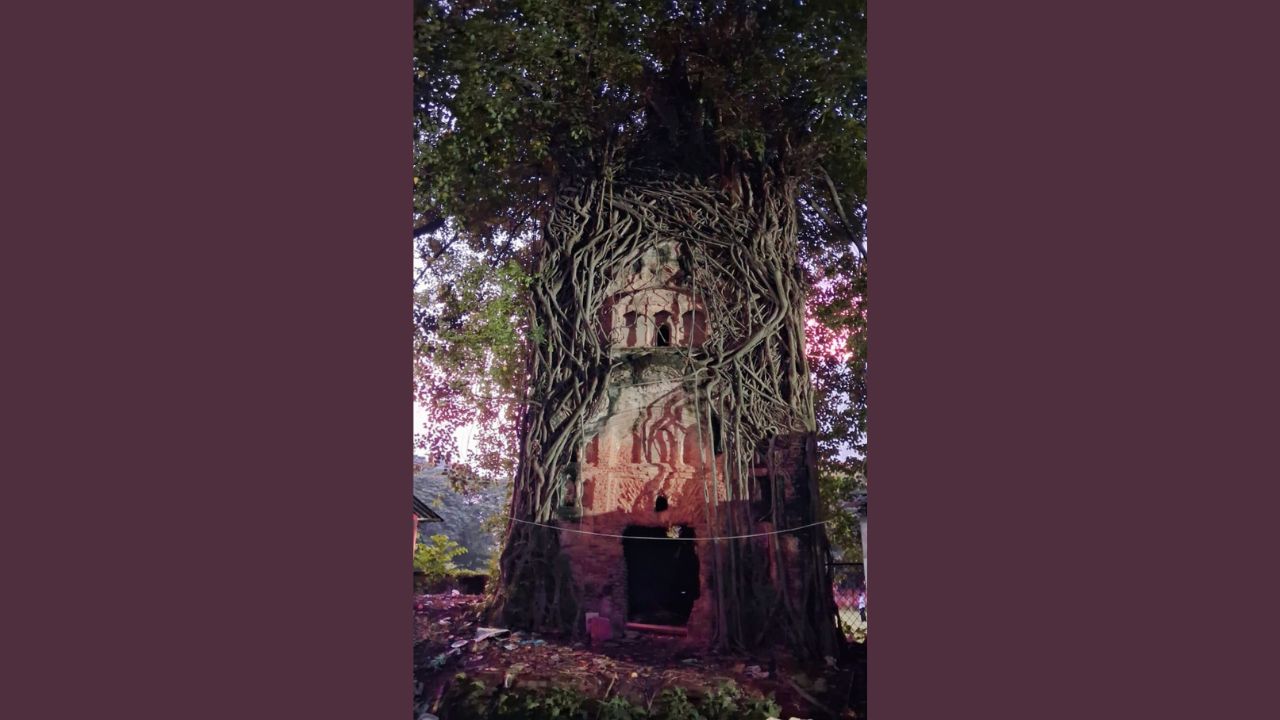

In the heart of nearly 200-year-old Altadighi Sal forest, nature has crafted its own architectural wonders that are now drawing scores of tourists.
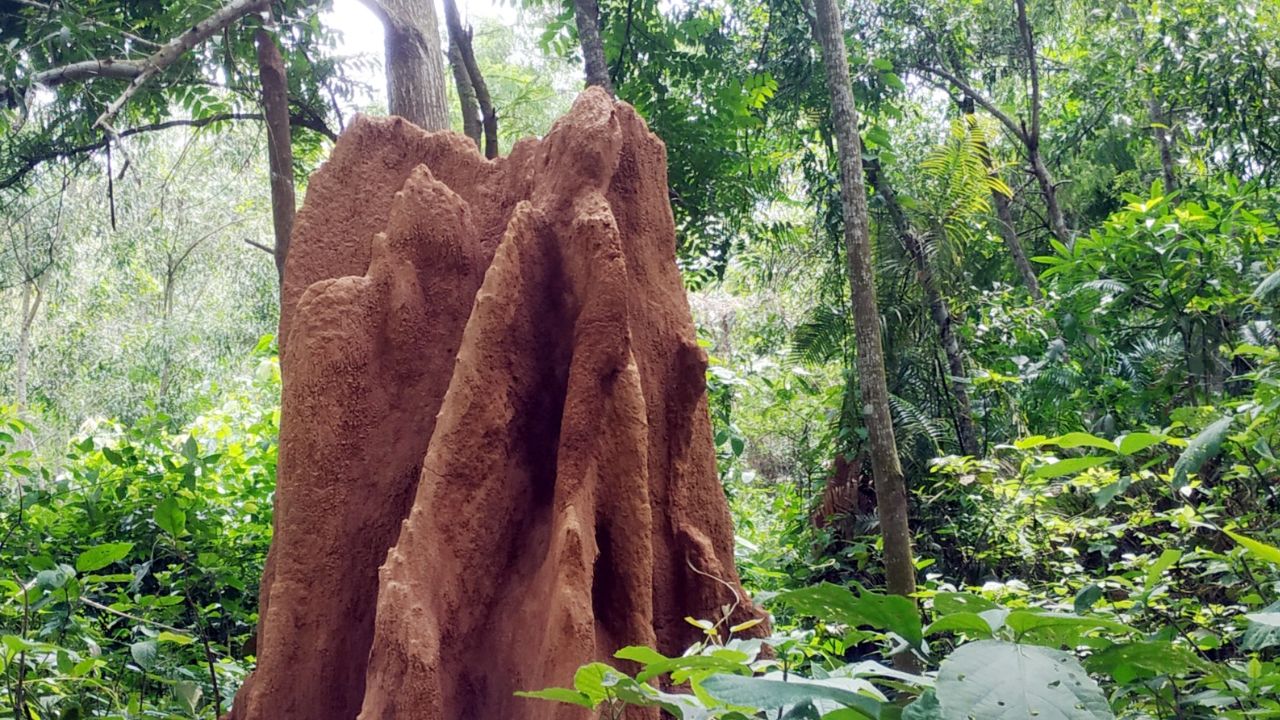
Massive termite mounds, some reaching nearly 11 feet in height, have become a major attraction, resembling intricate sculptures or ancient pyramids scattered across the landscape of Naogaon’s Dhamoirhat Upazila.
Located approximately 61 kilometres north of Naogaon district town near Indian border, the Altadighi National Park spans 264.12 hectares. At its centre lies the historic 43-acre Altadighi tank, surrounded by a forest that has stood as a witness to history for two centuries.
While the lush greenery is a primary draw, visitors travelling along the forest’s winding paved roads are increasingly captivated by these massive earthen structures.
These mounds are the result of years of tireless labour by millions of termites around the bases of dead trees. While the forest houses are about 35 mounds of various sizes, most stand five to six feet tall.

However, the largest mound, which stands nearly 11 feet high and resembles an ancient fort or pyramid, has been enclosed with a fence by the Forest Department for its preservation.
Golam Kibria, a local resident with a deep connection to the forest’s wildlife, noted that the largest mound was significantly smaller only seven or eight years ago.



“It has gradually grown to its current size,” he said, adding that the collective hard work of millions of termites has made these structures a premier attraction.
Visitors have expressed similar wonders. Mithu Hasan, who travelled from Badalgachhi with his wife, admitted he initially mistook the mounds for man-made sculptures.
“I have seen small termite mounds at home, but never anything this large. It is truly incredible, looking much like a pyramid,” he remarked.
Anisur Rahman, the Dhamoirhat forest beat officer, confirmed that the mounds are a major draw for the numerous tourists visiting daily.
“We estimate that approximately 1.2 million termites worked to build the largest mound. I have not seen termite mounds of this scale in any other Sal forest,” he said, noting that regular monitoring is in place to prevent any damage to the structures.
Providing a scientific perspective, Wahed Ali, associate professor of the Zoology Department at Naogaon Government College, described termites as highly social insects. He explained that they construct intricate tunnels and chambers to collect nutrients and moisture from beneath the soil.
“The environment of the Sal forest is ideal for termites due to the abundance of food, safety, and moisture,” Professor Ali said. He noted that the interior of these mounds maintains roughly 90 per cent humidity.
Worker termites use a combination of their saliva and excrement to bind soil, creating complex and durable structures that eventually evolve into these aesthetic architectural wonders.
According to scientific data, there are approximately 1,900 known species of termites worldwide. Typically, soft-bodied and pale yellow or light-coloured, most termites measure between four and five millimetres in length, though a queen termite can grow up to 70 millimetres.
Local experts suggest that these mounds are not only natural wonders but also vital indicators of the health and biodiversity of the forest ecosystem. They have called for continued vigilance from the Forest Department and increased awareness among visitors to ensure the preservation of these unique natural monuments.