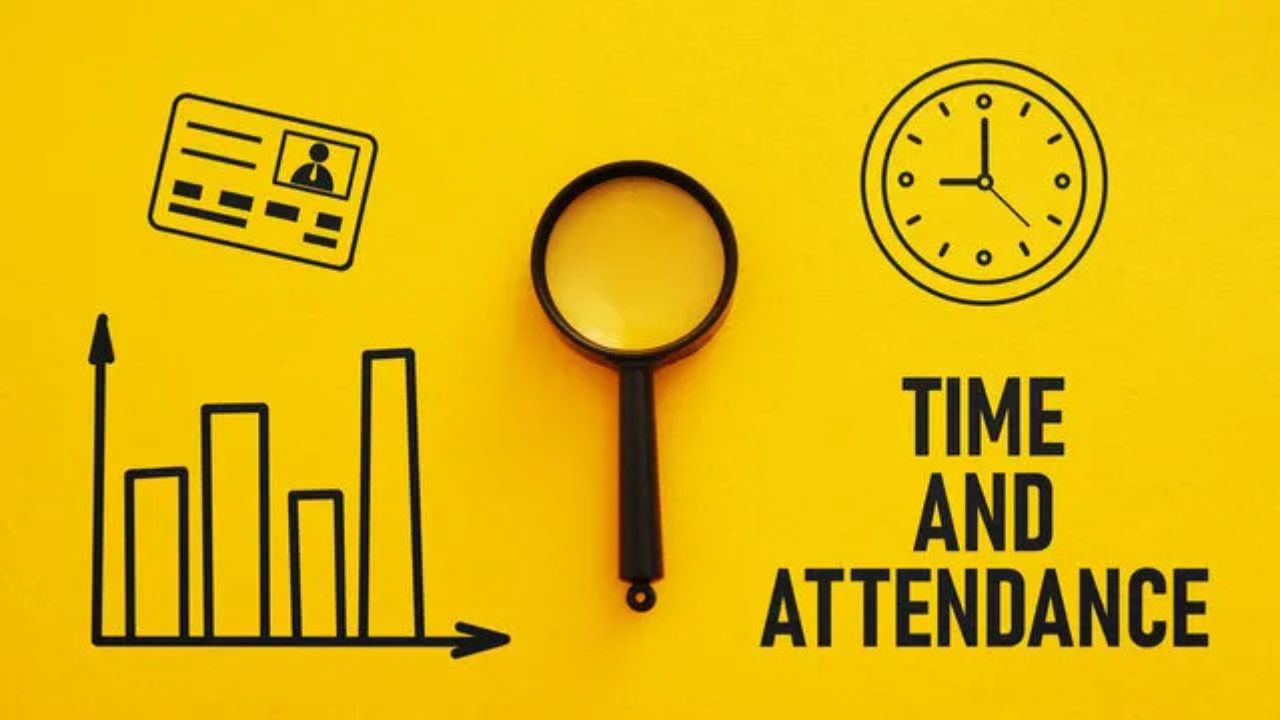

The government has introduced an online attendance system for primary school teachers. Since June 15, teachers have been required to confirm their attendance through a Google Form between 9:00 am and 9:20 am The initiative has sparked discussion across the country.
It gained even more attention after a photograph of a head teacher from a hilly area went viral on social media. Unable to get an internet connection, he reportedly climbed a tree on a hilltop to submit his attendance. Many people joked about the incident, but it also highlighted a real problem.
The initiative taken by the Directorate of Primary Education is a positive one. One of the major challenges in our education system is ensuring regular attendance. Not all teachers, but a section of them, have long been accused of neglecting their responsibilities.
In many remote schools, some teachers did not attend classes regularly. Some reportedly came only once or twice a week. Others were seen spending school hours in town or managing personal businesses. These allegations are not new. Parents and residents have been raising such concerns for years.
In the last decade of its establishment, the educational system has been confronting some very difficult issues. For example, a culture for achieving a hundred percent result, despite the questions on the standard of education, has caused huge doubt. Students are passed to the next class even when their names were just scribbled on their question sheets, which affects the system’s performance.
The most alarming symptom is that most students are out of the primary education, unable to write, read, or perform academically. The purpose of education is not simply to provide certificates. Its goal is to develop skilled and capable individuals. Unfortunately, we have created a situation where many students pass examinations without gaining fundamental knowledge.

The consequences are visible throughout society. The number of unemployed graduates is increasing. Many people hold degrees but lack the skills required in the workplace. This is a matter of concern for individuals, families, and the state alike.
Many teachers voiced complaints. It was pointed out that most of the teachers in primary schools are female and would normally attend work after attending to their household and family duties, some finding it difficult to reach school on time.
Though it’s arguable to suggest a valid point about human life and responsibilities, punctuality is a prerequisite to service. In almost all spheres of life, one needs to have a balanced life with professional and personal duties. Nevertheless, the policymakers should probably study the issue and make decisions based on prevailing facts.
Other teachers claimed many children are out of the house by 9 a.m., so many would not get time for breakfast, and that a delayed starting time would ensure students come to school with ease. This warrants some thought, but a final decision, or decision for that matter, will have to be supported by data and evidence.



One thing is clear: ensuring attendance alone will not guarantee quality education. If teachers are physically present at school but do not teach properly, the problem will remain unsolved. Therefore, classroom instruction should also be monitored alongside attendance.
This raises another important question: why should such monitoring apply only to primary school teachers? Should similar accountability measures not also be introduced in government secondary schools, colleges, and university colleges?
There have been complaints in various areas that some teachers live far from their workplaces. Some reside in different districts and reportedly attend their institutions only a few days each month. There are also allegations that some teachers rely on colleagues to conceal their absence. It is the responsibility of the relevant authorities to verify these claims.
If such practices exist, they must be stopped. Every teacher employed in a publicly funded educational institution should perform their duties responsibly. The same standards should apply to primary, secondary, and college-level education. In the age of technology, digital attendance systems can gradually be introduced in all educational institutions.


However, caution is necessary. Recording attendance only in the morning may not be enough. If someone confirms attendance and then leaves the school, the purpose of the system is defeated. Therefore, authorities may consider introducing attendance checks at both the beginning and the end of the working day. Such systems are already used in many countries.
At the same time, weaknesses in the education administration must also be addressed. Many upazila education offices suffer from staff shortages. Regular supervision is often lacking. Numerous schools have operated for years without a permanent head teacher. Without solving these issues, attendance systems alone will not bring the desired change.
Educational administration should be led by people who have a background in education. In our country, individuals with little or no connection to education are often placed in key educational administrative positions. They sometimes introduce unusual policies and regulations that are imposed on the education sector.
Assigning officials from general administration or unrelated sectors has not benefited education in the past and is unlikely to do so in the future. The role of teachers’ organisations and various committees is also important. Teachers certainly have the right to raise legitimate demands and concerns.
However, if any organisation becomes a platform for personal interests, factional conflicts, or unnecessary influence, it can harm the education system. Professionalism and accountability should remain the primary goals.
Finally, it must be said that the crisis in education is not merely a crisis of attendance. It is a crisis of quality, ethics, and management. A teacher who promotes students without teaching them properly does more than violate a rule; they damage the future of an entire generation.
Before teaching students about morality, teachers themselves must set an example of ethical behaviour. The main goal of our education system should be to develop skilled, honest, and compassionate citizens.
Online attendance is only a small step on a long journey. However, if implemented properly, it can mark the beginning of positive change. The next task is to expand this initiative and connect it with broader efforts to improve educational quality. The future of a nation depends on its classrooms. Making those classrooms effective, disciplined, and learner-friendly should be one of our highest priorities.
The views expressed in this article are solely those of the author
The writer is a Senior Journalist; Former President, Moulvibazar Press Club