




By midday, the walls begin to radiate heat. The ceiling fan spins relentlessly, but instead of relief, it delivers warm air that feels like opening an oven door. The metal handle of the balcony burns to the touch. A glass of cold water turns lukewarm within minutes.
For millions across South Asia, this is not an occasional inconvenience – it is becoming the new normal.

As climate change drives temperatures to record highs and electricity bills continue to rise, air conditioning remains a luxury that many households simply cannot afford. Even those who own an AC often hesitate to use it for long hours, fearing the monthly bill or unexpected power cuts.

Yet our grandparents survived summers without air conditioning. While today’s cities are undeniably hotter, many of their old habits remain surprisingly effective.
Keep the heat out
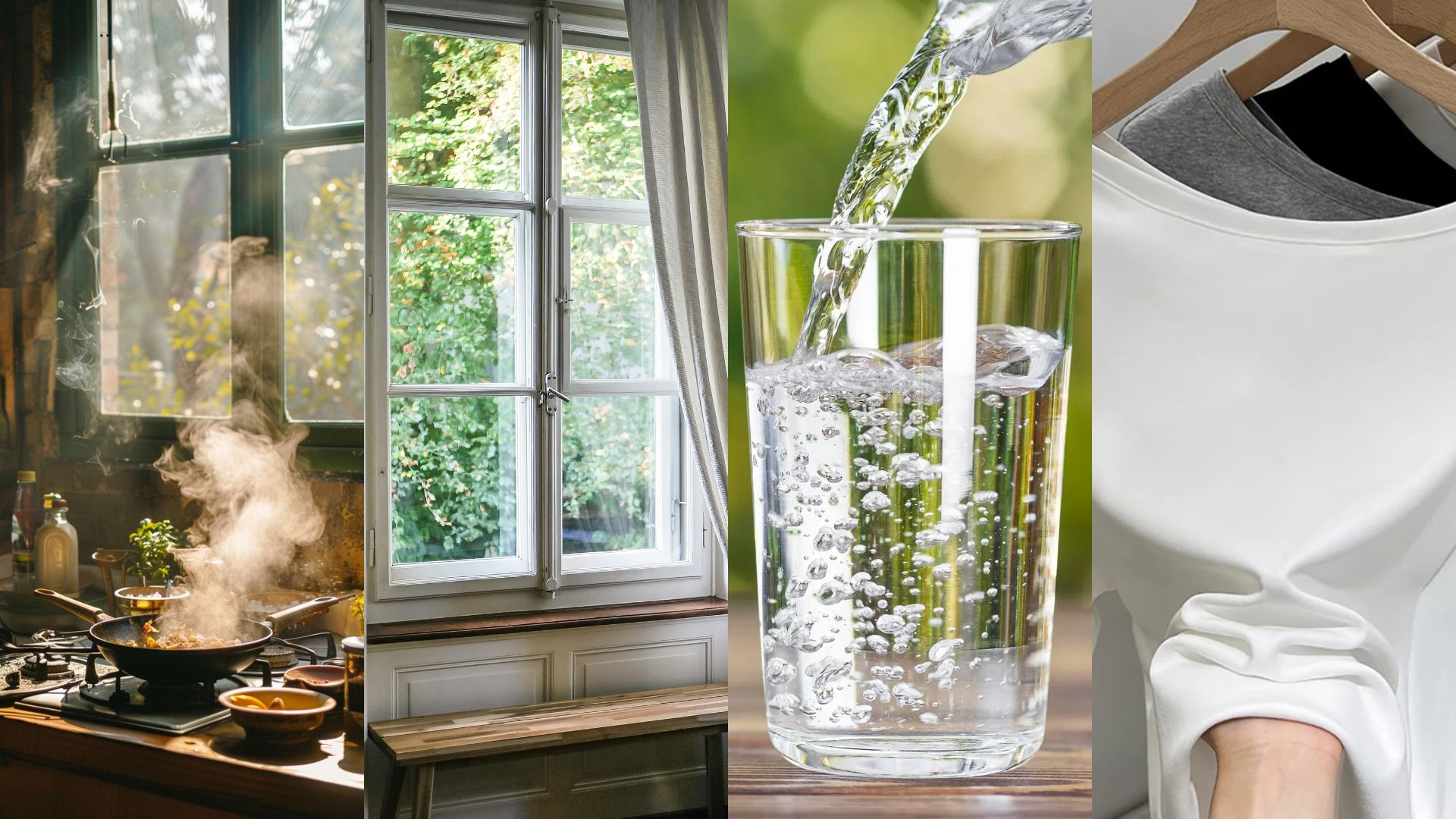
Most people instinctively throw open every window during the day. But when outside air is hotter than indoors, that strategy often backfires. Closing curtains or blinds on sun-exposed windows creates a barrier against solar heat, preventing rooms from turning into greenhouses. Once evening arrives and temperatures drop, opening windows on opposite sides of the house creates cross-ventilation that flushes trapped heat outside.
Mind the kitchen
Cooking with gas stoves or ovens during the hottest hours can raise indoor temperatures significantly. Preparing meals early in the morning or after sunset helps keep living spaces cooler.
Fresh fruits, yoghurt, salads, and other light meals also reduce the body’s workload during extreme heat.
Hydrate wisely
Hydration is not simply about drinking more water. Heavy sweating causes the body to lose salts as well as fluids.
Water-rich fruits such as watermelon, cucumber, and oranges, along with oral rehydration solutions when necessary, help replace what the body loses. Waiting until thirst becomes overwhelming is already a sign that dehydration has begun.
Dress for the weather
Loose-fitting cotton or linen clothing allows sweat to evaporate more efficiently than thick synthetic fabrics. Light colours reflect sunlight instead of absorbing it.
A cool shower before bedtime or placing a damp cloth around the neck, wrists, or feet can also provide surprisingly quick relief.
Know the danger signs
Persistent dizziness, headache, muscle cramps, nausea, unusual weakness, and heavy sweating are early warnings of heat exhaustion. If symptoms progress to confusion, loss of consciousness, or hot, dry skin, it may indicate heatstroke – a medical emergency requiring immediate treatment.
Extreme heat is no longer an occasional weather event. It is becoming a defining feature of modern urban life. While long-term solutions depend on greener cities and climate action, small daily habits can still make a meaningful difference.
Keep sunlight out during the hottest hours. Let fresh air in when temperatures drop. Drink enough water and replace lost fluids. Wear light, breathable clothing. Above all, recognise when the heat has crossed the line from uncomfortable to dangerous.
Our grandparents knew these secrets. Perhaps it is time we relearned them.


