Japanese horror fiction builds fear through one simple rule — the unknown always follows rules of its own. Ghosts return without warning.
Curses repeat endlessly. Everyday objects turn into gateways for something unnatural. These stories rarely depend on explanation.
Instead, they let the supernatural take full control and slowly tighten its grip on reality.
The Times of Bangladesh Entertainment Desk presents a refined and de-duplicated reading guide to essential Japanese horror novels.
The selection brings together classics, award-recognised works, cult favourites and folklore-driven masterpieces.
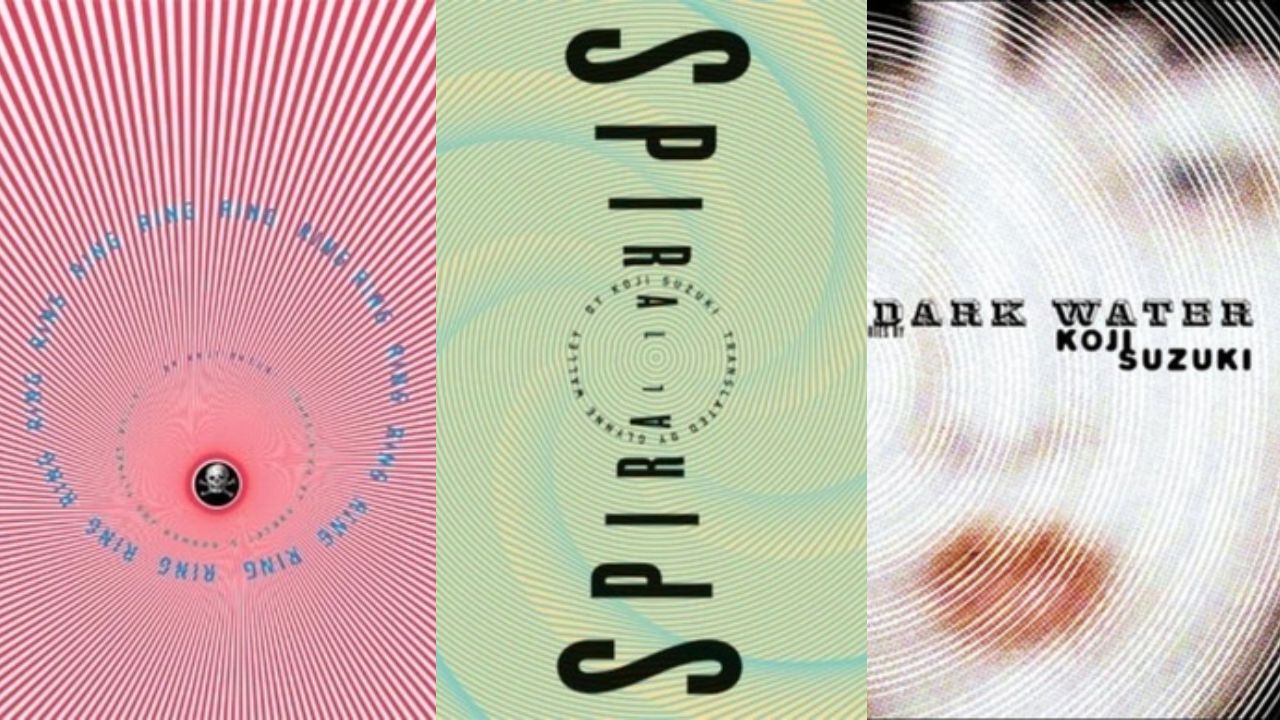
Each entry highlights publication history, author background, story premise and why the book still matters even when adaptations exist.
Ring
Koji Suzuki, a leading voice in modern Japanese horror fiction, published Ring in 1991. The novel later won the Japan Fantasy Novel Award and became one of the most influential horror books in Japan.
The story follows journalist Kazuyuki Asakawa, who investigates a cursed videotape that kills anyone who watches it exactly seven days later. His investigation leads him into the terrifying mystery of Sadako and the origin of the curse.
The horror builds on a strict rule — once the tape is seen, death becomes unavoidable.
The novel stands out because it treats the curse like a system rather than a myth, making fear feel structured, logical and inescapable.
Spiral
Published in 1995, Spiral continues the cursed universe introduced in Ring. Koji Suzuki expands the story into a darker blend of medical investigation and supernatural logic.
A pathologist begins uncovering deaths linked to the same cursed phenomenon, now evolving into a more complex and expanding system.
The novel deepens the curse mythology, showing it as something that grows, mutates and adapts. Readers still return to the book because it explains the curse mechanics more clearly than most adaptations.
Dark Water
This award-winning short story collection by Koji Suzuki builds horror around water as a supernatural presence. Leaking ceilings, flooded apartments and abandoned buildings become gateways for unseen forces.
Each story builds fear through silence, isolation and environmental decay.
Even where adaptations exist, the book remains stronger because it contains more stories and slower atmospheric build-up, making the dread more immersive.
The Summer of the Ubume
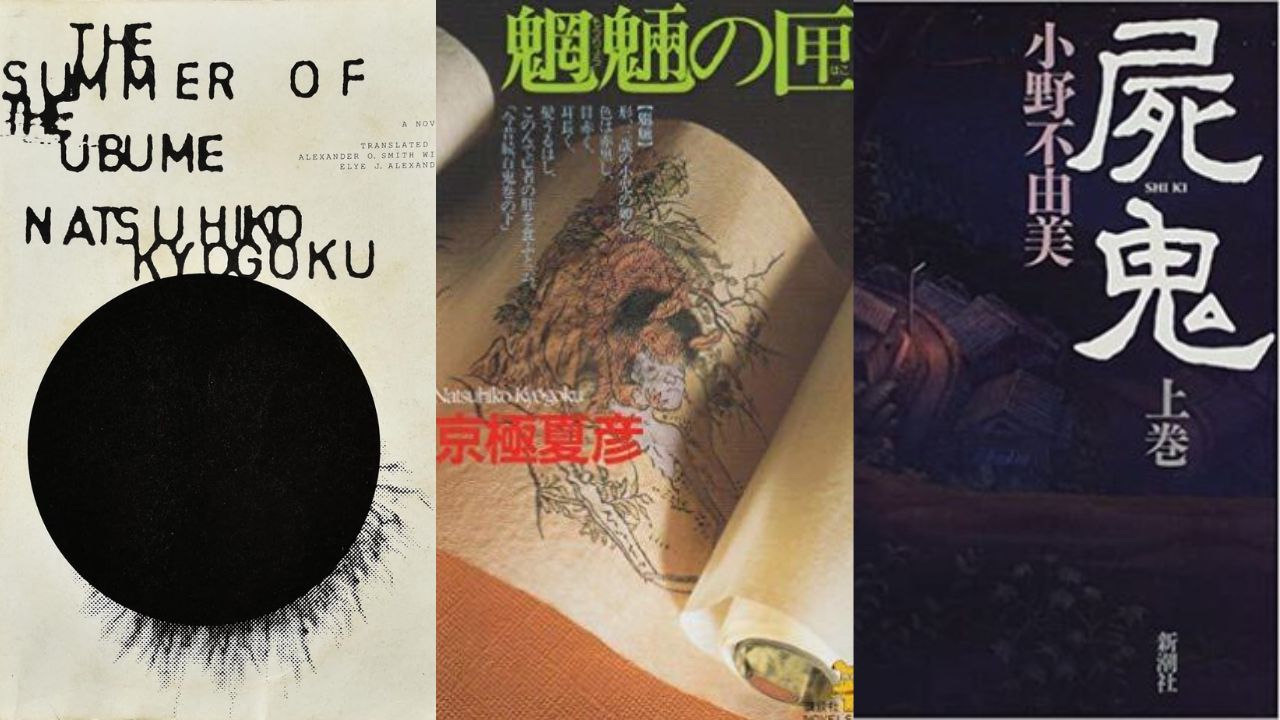
Natsuhiko Kyogoku published this novel in 1994, blending folklore, mystery and supernatural belief systems.
The story revolves around strange events connected to pregnancy myths and spirit legends inside an old house, where traditional yokai beliefs shape every occurrence.
The horror comes from cultural logic rather than modern explanation. The book remains important because it preserves Japanese folklore in full detail, often reduced in visual adaptations.
Mōryō no Hako (The Box of Spirits)
Published in 1995, this novel combines detective investigation with yokai-based supernatural horror involving cursed objects and unexplained disappearances.
The narrative builds a layered system where spirits follow structured rules and artefacts carry their own curse logic.
The book stands out for its complexity and its deeper folklore explanations compared to simplified adaptations.

Shiki
Fuyumi Ono’s Shiki, published in 1998, is set in a quiet rural village where unexplained deaths begin after a mysterious family arrives. The situation escalates into a full supernatural outbreak.
The horror grows slowly, built on isolation, fear and traditional ghost mythology.
The novel remains powerful because it develops atmosphere gradually, making the sense of collapse more intense than fast-paced adaptations.
The Decagon House Murders
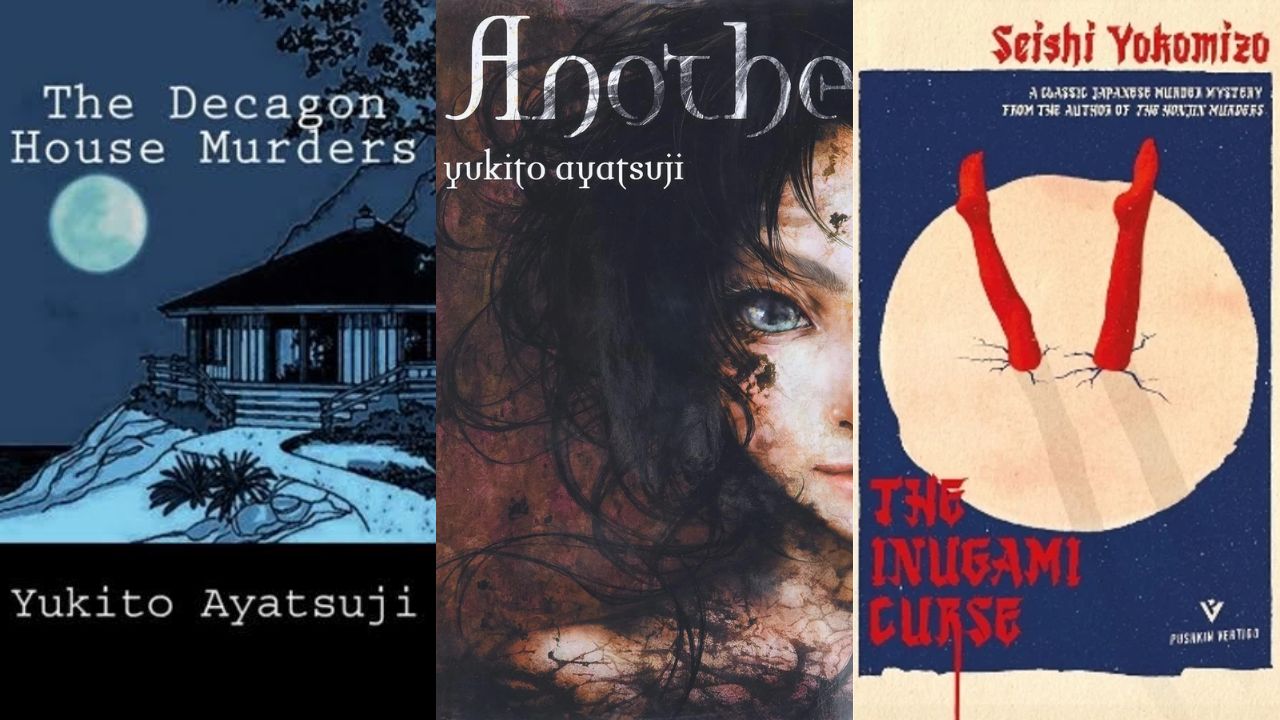
Published in 1987, this award-recognised novel takes place on an isolated island where students become trapped in a series of mysterious murders linked to past crimes.
Although structured as a mystery, it builds strong psychological tension and a sense of inevitable doom.
Yukito Ayatsuji’s novel remains essential because it strengthens atmosphere and clue-building far beyond visual interpretations.
Another
Published in 2009, Another follows a cursed classroom where students die one by one due to an unknown supernatural rule.
The curse follows strict conditions, making death unavoidable once it begins.
Yukito Ayatsuji’s novel is valued for its structured curse logic and detailed supernatural rules that deepen the mystery.
Inugami Curse Trilogy
Seishi Yokomizo published this classic trilogy in the early 1950s, blending family inheritance drama with supernatural curse traditions.
A wealthy family becomes trapped in a deadly curse tied to ritual practices and spirit mythology.
The books remain stronger than adaptations due to deeper ritual explanations and expanded curse history.
Kwaidan
Published in 1904, this foundational collection preserves Japanese ghost stories, yokai legends and traditional supernatural folklore.
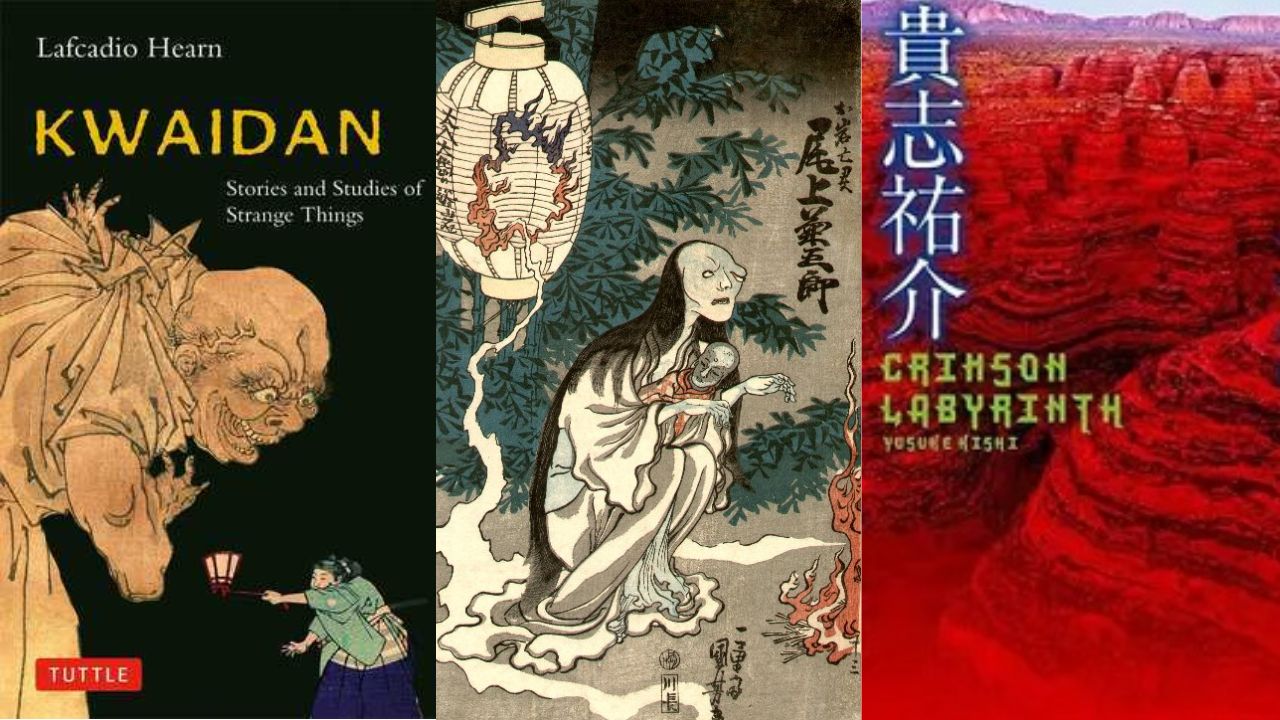
It includes spirits, cursed encounters and classical kaidan traditions passed through generations.
Lafcadio Hearn’s work remains essential as one of the earliest written records of Japanese horror storytelling.
Yotsuya Kaidan
One of Japan’s most famous ghost stories, this tale follows betrayal that transforms a woman into a vengeful spirit. The curse operates through strict revenge-based supernatural rules.
Book editions often expand ritual detail and curse progression more than stage or screen versions.
The Crimson Labyrinth
Published in 1999, this survival horror novel traps strangers inside a deadly game controlled by unknown forces.
Written by Yusuke Kishi, the story builds tension through structured survival rules that resemble a cursed system.
The book remains stronger due to deeper survival mechanics and extended psychological tension.
Isola
Published in 1999, this award-winning novel follows a girl with psychic abilities who encounters a supernatural force tied to mass spiritual disturbances. The presence spreads like an invisible curse across reality.
Written by Yuuya Sato, the horror comes from something unseen yet constantly active.
Shikaku (The Killers)
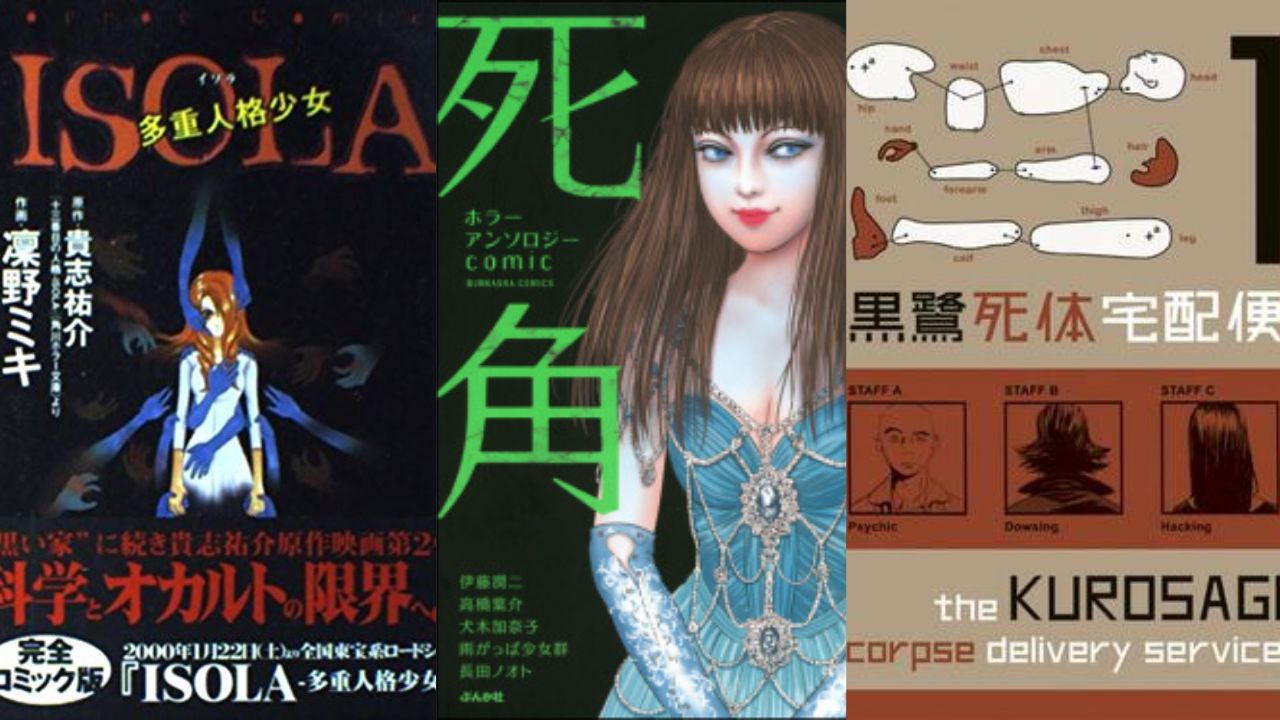
Published in 2010, this survival horror novel traps characters in a controlled environment governed by invisible rules.
Yusuke Kishi builds structured survival systems that behave like supernatural logic rather than human design. The novel stands out for its modern psychological approach to rule-based horror.
The Corpse Delivery Service
A group of students becomes involved with cursed objects and bodies that carry supernatural consequences.
Each case follows different urban legends and curse patterns. Eiji Otsuka’s work treats modern urban spaces as active supernatural zones.
The Place Where the Red Eye Appears
A modern urban legend spreads about a red-eyed entity appearing in random locations.
Written by Ushio Shirotori, the horror builds through sightings, appearance rules and fatal encounters. The book modernises traditional yokai fear into city-based supernatural horror.
Dark Web Horror Anthologies
A collection of Japanese internet folklore horror stories based on cursed websites, online messages and digital hauntings.
Stories include cursed chat rooms, haunted messages and digital spirit sightings. These anthologies update kaidan storytelling for the internet age.
The Apartment That Breathes
A modern apartment complex behaves like a living supernatural structure.
Residents experience repeating unexplained phenomena tied to the building itself. Genki Kawamura’s concept focuses on architecture as a cursed entity.
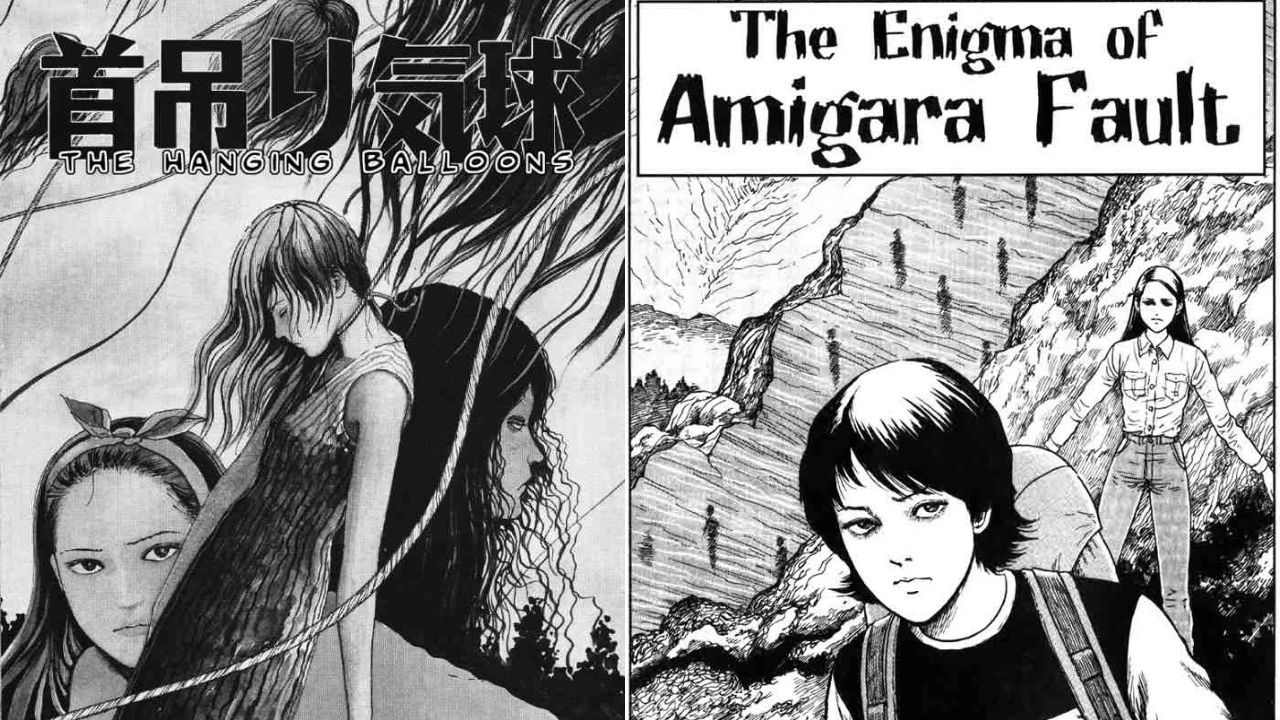
The Hanging Balloons
A global phenomenon begins where floating heads appear in the sky, each linked to inevitable death.
The horror escalates as the curse spreads without explanation or control. Junji Ito’s work preserves the full escalation of this apocalyptic phenomenon.
The Enigma of Amigara Fault
Human-shaped holes appear in a mountain, drawing people toward them against their will.
Written by Junji Ito, the horror comes from irresistible compulsion and unknown supernatural force. The story preserves the full psychological and physical progression of the phenomenon.