
- Manufacturing shrinks after 18 months
- Services hold growth
Bangladesh’s Purchasing Managers’ Index (PMI) fell to 53.5 in March, signalling slower expansion as manufacturing and construction slipped into contraction.
The Metropolitan Chamber of Commerce and Industry (MCCI) and Policy Exchange Bangladesh (PEB) released the report on Tuesday, developed with support from the UK government and technical input from the Singapore Institute of Purchasing and Materials Management.
The index declined by 2.2 points from February, indicating weaker momentum across key sectors, although the reading remained above 50, marking continued overall expansion.
Agriculture slowed sharply, with the PMI dropping to 51.6 from 64.5, even as the sector extended its expansion streak to seven months.
Business activity and input costs rose at a slower pace, while new business and employment contracted, though order backlogs strengthened.

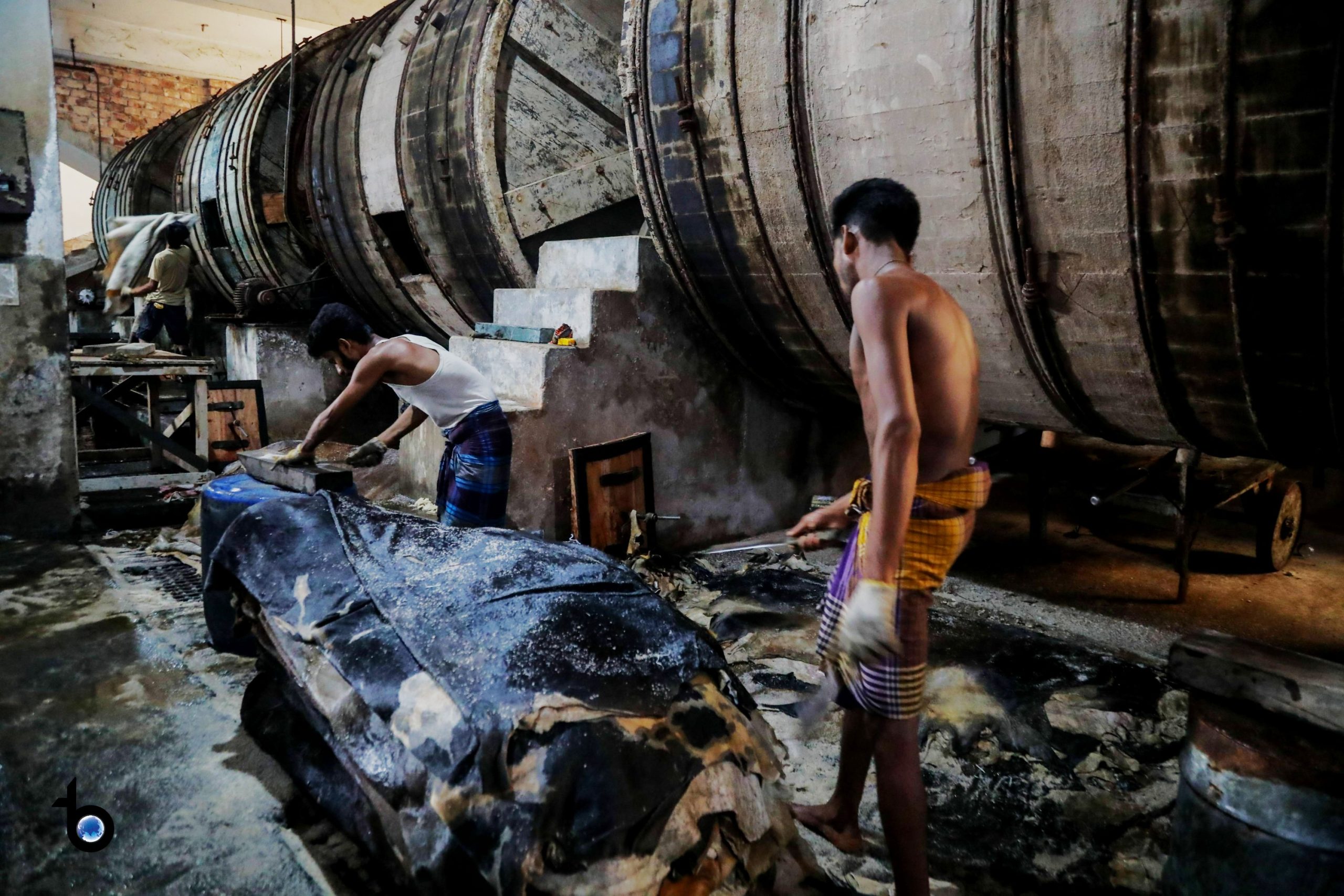
Manufacturing fell into contraction for the first time in 18 months, with the PMI at 49.7 from 53.0.
New orders, exports, finished goods, imports, and employment declined, while factory output, input purchases, prices, and supplier deliveries continued to grow, and order backlogs returned to expansion.
Construction remained in contraction for the second straight month at 49.2, as weaker new business and activity weighed on the sector.



Employment and order backlogs rebounded, while input costs rose at a faster pace.
Services stayed the strongest segment, expanding for the 18th consecutive month, with the PMI edging up to 56.4 from 56.3.
The sector saw slight acceleration in new business, activity, employment, input costs, and order backlogs.
The outlook remained positive, with the future business index pointing to continued expansion across all sectors, said MCCI and PEB.
Businesses, however, described a mixed environment, with Ramadan and Eid-ul-Fitr demand supporting sales while rising costs and uncertainty weighed on operations.
Firms reported higher expenses for raw materials, labour, transport, and services, compressing margins and delaying investment decisions.
A seasonal slowdown in agriculture and weak order flows in manufacturing and construction also contributed to cautious sentiment.
“The March PMI readings point to moderating economic growth, largely driven by manufacturing slowdown due to extended holidays and global demand uncertainty linked to the Middle East crisis,” said Policy Exchange Bangladesh Chairman and CEO M Masrur Reaz.
The conflict has increased inflationary pressures and risks of supply disruptions, raising vulnerability for the economy, he added.