



Bangladesh’s 13th parliamentary election has intensified scrutiny of women’s political representation after the number of directly elected female lawmakers fell to one of the lowest levels in recent years.
Of the 300 general seats, only seven women secured direct mandates in 2026. Although 83 women contested – more than in several previous cycles – just seven were elected, exposing a widening gulf between participation and victory.
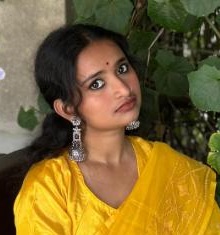
Independent candidate Manisha Chakraborty, who won 22,490 votes, described the poll as largely peaceful but distorted by black money and muscle power. She thanked her supporters, saying their trust reinforced her resolve to remain in politics.
Six of the seven winners were nominated by BNP, while Rumeen Farhana contested as an independent with roots in BNP politics.
The others elected were Afroza Khan Rita from Manikganj-3, Israt Sultana Elen Bhutto from Jhalakathi-2, Tahsina Rushdir Luna from Sylhet-2, Shama Obaid from Faridpur-2, Nayab Yusuf Kamal from Faridpur-3 and Farzana Sharmin Putul from Natore-1.
The result has revived questions over nomination strategies, the allocation of winnable seats and the depth of institutional support for women. Major parties continue to field relatively few female candidates and often place them in difficult or organisationally weak constituencies.

High campaign costs, fragile grassroots networks, security concerns and entrenched social barriers remain decisive constraints.
Chakraborty argued that elections shaped by money and coercion structurally disadvantage women. Party leaderships, she said, frequently hesitate to nominate women based on assumptions about limited financial capacity or political influence.
Without organisational backing, sustaining serious electoral engagement is difficult, as party machinery remains central to viability.

The decline stands out against recent trends. In 2008, 19 women were directly elected from 59 female candidates among 1,538 contenders. The figure slipped to 18 in 2014, when 29 women ran.
It rose to 22 in 2018 from 69 candidates, and 20 women won in 2024 despite a record 99 female contestants among 1,969.
The 2026 result – seven winners from 83 candidates out of 2,029 – marks the sharpest recent contraction in direct female representation.
Professor Tania Haque of the Women and Gender Studies department at the University of Dhaka attributed the setback to patriarchy and intensifying online harassment.
Political instability, social backlash and entrenched gender bias have combined to narrow the space for women, she said.
Periods of unrest discouraged many from entering or remaining in electoral politics. A fragile law and order situation and aggressive reactions on social media have made the arena increasingly hostile.
Women face rejection, bullying and public scrutiny both online and on the ground, creating what she described as a confrontational climate.
Expectations that a new generation of leaders would emerge have not materialised, she said, arguing that politics remains widely viewed as a male domain where women are judged more harshly on character and social norms.
“Social media has become a quick decision-maker,” she said, noting that online narratives often shape opinion before formal processes conclude.
Religious and social attitudes also persist, including the notion that women from “respectable families” should avoid politics. The presence of only seven women in the new parliament is, in her view, deeply troubling.
She added that women associated with the political legacy or sacrifice of male relatives often attract sympathy, while those rising on merit and grassroots work struggle for comparable recognition.
Chakraborty criticised reserved parliamentary seats for women as largely symbolic and lacking real authority. Direct elections for those seats, she argued, could strengthen accountability and align their influence with that of directly elected MPs.
The slump in directly elected women has sharpened questions over whether Bangladesh’s political structure enables substantive inclusion or confines women’s representation to symbolic space.
As female candidacy expands without corresponding success, the debate over meaningful representation is set to intensify.