
With doubts over holding of the 13th parliamentary election largely resolved after the announcement of the schedule, a new anxiety has gripped candidates preparing to contest the polls: their own safety.
They hope the interim administration will create a secure atmosphere, allowing both candidates and voters to participate in what should be a national festival.
Election Commission announced the schedule on Thursday evening, clearing of uncertainty over election. Candidates across the country have also started visiting voters, seeking support.
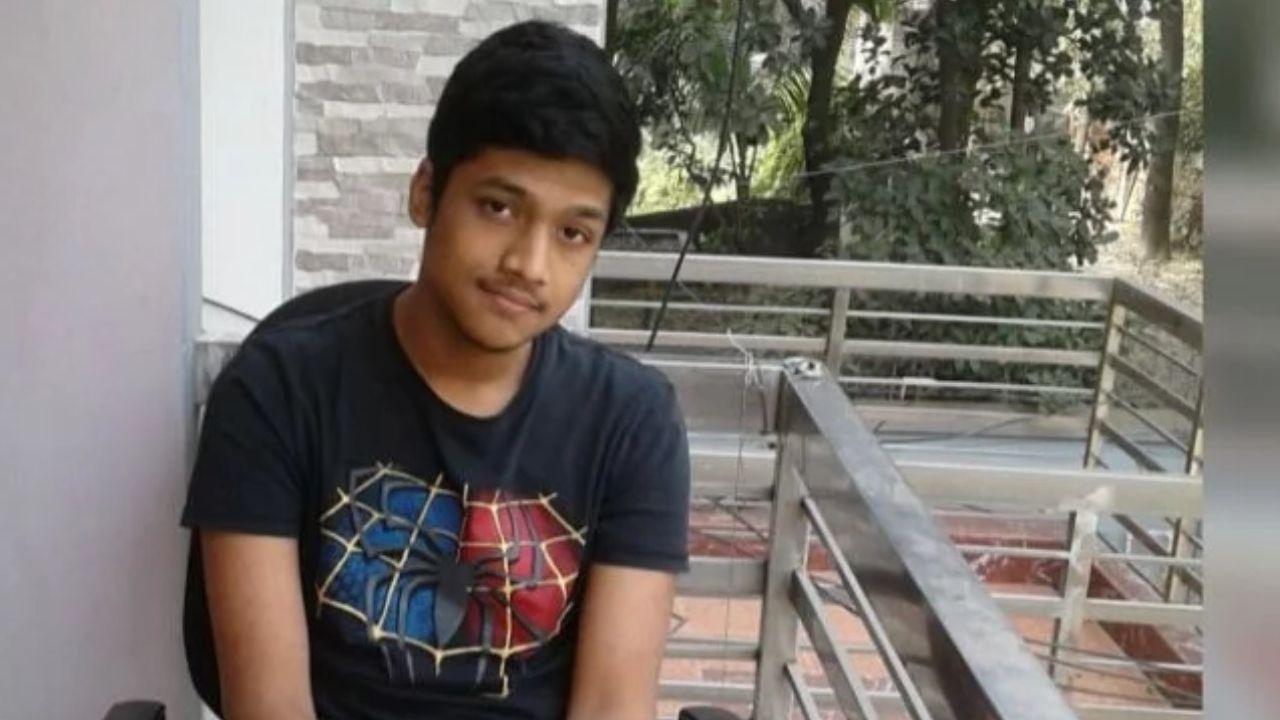
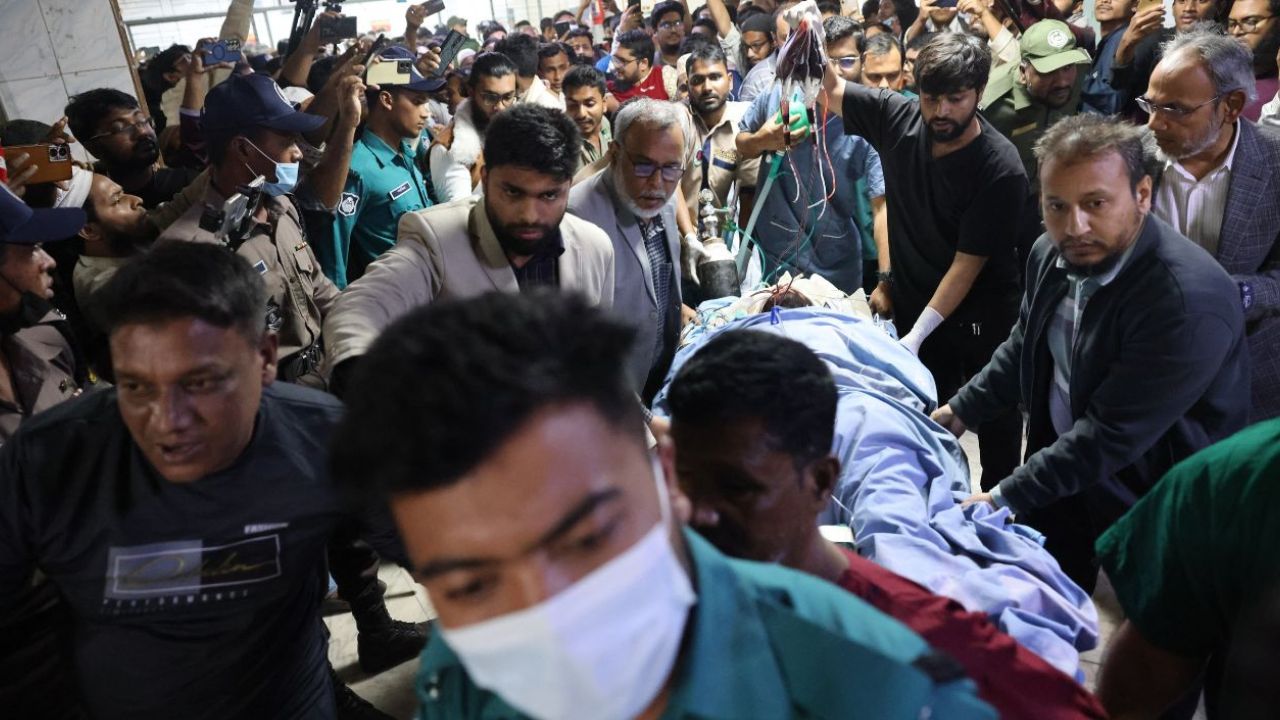
However, Friday’s broad daylight shooting of Sharif Osman Hadi, spokesperson for Inqilab Mancha, and a potential independent contender for Dhaka-8, has shattered confidence and revived long-standing fears about law and order.
Experts and leaders of some political parties had already warned of a deteriorating security situation even before the schedule was announced.
Many candidates had hoped the situation would stabilise after the announcement. Instead, the attack on Hadi the very next day has sparked widespread alarm.

Conversations with half a dozen BNP and Jamaat candidates in Dhaka, Jashore and Satkhira reveal that none of them currently feel safe while campaigning.
Security analyst Major General (retd) ANM Muniruzzaman, told TIMES of Bangladesh Friday night that the risk of law-and-order deterioration always looms before national polls. “This year the threat is more acute,” he said.
After the July Uprising, he pointed out, the government failed to take firm measures. “Our police, RAB and other agencies have not yet regained operational efficiency. There is a leadership vacuum and a lack of professional capacity. The government now needs to take strong corrective action,” said Muniruzzaman, also the president of Bangladesh Institute of Peace and Security Studies.
Senior political leaders have voiced serious concern, some viewing the attack as part of a wider conspiracy. BNP acting chairperson Tarique Rahman, speaking at an event on Friday, said the shooting of Hadi is a conspiracy against democracy and election.



Talking to TIMES, Jamaat-e-Islami secretary general and candidate of Khulna-5 Mia Golam Parwar said the attack heightened anxiety among candidates nationwide. “Instead of a festive atmosphere, fear is now taking hold,” he said.
Former Inspector General of Police Ashraful Huda said law enforcement must launch special operations to rein in criminals ahead of the election. “Many offenders operate under political patronage. They must be arrested,” he said, adding, “Strong action and vigilance by the administration could improve the situation.”
According to the announced schedule, the 13th national election will be held on 12 February next year. Nomination papers must be purchased and submitted between 12 and 29 December, giving parties and candidates very limited time.
Many parties are now focused on last-minute negotiations, finalising candidate lists, and preparing election manifestoes, including BNP, Jamaat and National Citizen Party (NCP).
Candidates turn to voters
After the schedule, candidates from BNP, Jamaat, NCP and several other parties welcomed it and organised rallies in celebrations. Many also begun visiting door-to-door, making promises tailored to local needs.
BNP candidates are emphasising job creation and tackling unemployment, pledging to rebuild the country based on the philosophy of party founder Ziaur Rahman, if elected.
Jamaat is promising an anti-corruption drive, expanded employment opportunities, and state reforms aligned with the aspirations of the July uprising.
NCP candidates say they want to build a “New Bangladesh,” promising to introduce new governance arrangements and implement the mandate of the July movement.
A notable exception is the Jatiya Party (JaPa), which has not begun visible election activities, although internal candidate selection is under way. The party remains under public pressure because of its perceived collaboration with the previous Awami League government.
Campaign irregularities persist
More than 24 hours after the schedule announcement, posters and banners of different political parties remain widespread in the capital city and other parts of the country although the Election Commission directed the candidates to remove pre-schedule promotional materials.
While the EC gave 48 hours for full compliance, only a small number of candidates have begun removing posters.
Parties finalise candidates, draft manifestoes
Multiple party insiders say BNP’s announced list of 272 candidates is already active in the field, while the remaining 28 seats, kept for allies, will be finalised this week. The party is also working to pacify disgruntled party leaders and partners who were denied preferred constituencies.
On the other hand, Jamaat, Islami Andolon, and six like-minded parties are working to release a coordinated candidate list this week, though many of their candidates have been campaigning for weeks.
NCP has declared candidates for 125 seats, with its senior leadership working around the clock to complete selections for the remaining constituencies.
Simultaneously, BNP, Jamaat and NCP are racing to finalise their election manifestoes, deciding which policy issues to foreground as they appeal to voters.