The lighter vessel Samia Shamshun Nahar, which transported fertiliser from a mother vessel at the outer anchorage of Chattogram port, reached Meghna Ghat on 29 November.
However, nearly two months later, it remains idle with its cargo still onboard despite regulations requiring unloading within a maximum of 11 days.
Another lighter vessel, Al Israt 4, loaded with TSP fertiliser, has been waiting at Ashuganj for 57 days after leaving the outer anchorage of Chattogram Port.
According to the Bangladesh Water Transport Coordination Cell (BWTCC), Akij Group alone has failed to unload cargo from at least 74 lighter vessels, including Samia Shamshun Nahar and Al Israt 4.
Several other major importing companies have also left cargo-laden lighter vessels stranded across the country.
In total, at least 720 lighter vessels carrying an estimated 1.1 million tonnes of imported goods are currently stuck on rivers and inland waterways, creating a severe logistical bottleneck in cargo transportation.

Industry insiders allege that a section of importers is deliberately delaying unloading and using lighter vessels as “floating warehouses”, worsening the situation ahead of Ramadan.
The stranded vessels are carrying essential commodities and industrial raw materials, including edible oil, sugar, pulses, corn, coal, stone, cement clinker, gypsum, urea and fly ash.
On average, each lighter vessel carries around 1,500 tonnes of cargo, meaning about 1.1 million tonnes of goods are floating on waterways instead of reaching markets and factories.
Under existing rules, cargo transferred from mother ships to lighter vessels must be unloaded at designated destinations within 11 days.
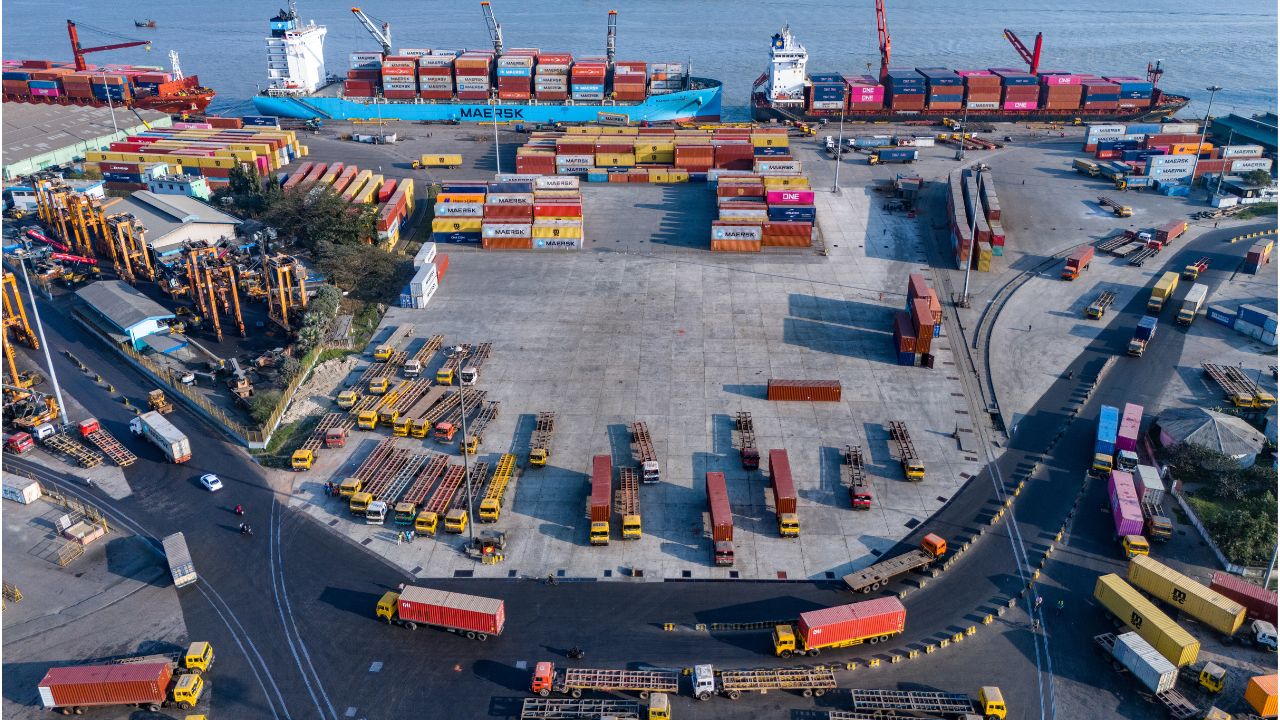



However, more than 60 per cent of the 720 stranded vessels have exceeded that limit, with several immobilised for over a month, raising concerns among ship owners, workers and regulators.
The prolonged detention of lighter vessels has triggered an acute shortage. The Bangladesh Inland Water Transport Coordination Cell, formed by organisations representing lighter vessel owners, is struggling to allocate ships for unloading imported goods. Industry representatives say the crisis has persisted for the past three weeks and is worsening.
Engineer Mehbub Kabir, general secretary of the Bangladesh Cargo Vessel Owners Association, said the problem intensifies every year ahead of Ramadan.
“Imports increase before Ramadan, and naturally the movement of lighter vessels also rises,” he told TIMES of Bangladesh.
“At this time, some importers deliberately delay unloading and keep goods at their own ghats,” Kabir said, adding that the trend repeats annually.
He also said at least 100 lighter vessels are engaged daily in unloading cargo at Chattogram port, but unloading along inland waterways is close to stalling due to so many vessels being stuck.
“We have already decided not to allocate lighter vessels to Akij Group until the situation improves,” Kabir added.
Data from the Bangladesh Shipping Workers Federation show that around 2,500 lighter vessels and tankers operate from Chattogram port, including privately owned cargo lighters, oil tankers and vessels owned by industrial groups.
Of these, about 1,200 are privately owned lighter ships. Federation leaders allege many are routinely used as floating storage by importers.
Nabi Alam, joint secretary of the Bangladesh Shipping Workers Federation, said payment disputes and shifting routes have deepened the crisis.
He said nearly 100 lighter vessels previously operating from Chattogram Port have moved to Payra port and are now mainly transporting coal for coal-fired power plants, creating shortages even before the Ramadan import surge.
SM Nazer Hossain, vice-president of the Consumers Association of Bangladesh, alleged that unscrupulous traders are creating artificial shortages.
“By holding goods back, they create a supply crisis in the market, which leads to price hikes,” he said, calling for stronger government monitoring.
Officials at the Department of Shipping acknowledge the situation has escalated in recent weeks, with several importers holding goods on lighter vessels for extended periods while large volumes of imports arrived simultaneously ahead of Ramadan, causing shortages of available lighters at outer anchorages.
In response, the Department of Shipping decided on 14 January to form a special task force and launch mobile court operations involving the Department of Shipping, Bangladesh Coast Guard, Naval Police and the Inland Waterways Inspection Department.
Commodore Md Shafiul Bari, Director General of the Department of Shipping, said three teams are conducting operations and have already visited at least 200 lighter vessels carrying cargo for more than 15 days. He said importers were ordered at a meeting on January 20 to unload goods and release stranded vessels within five days, warning that criminal cases would be filed if they fail to comply.