The government’s planned withdrawal of import duties on key solar equipment could reduce installation costs by about 26 per cent and accelerate renewable energy expansion, industry stakeholders said.
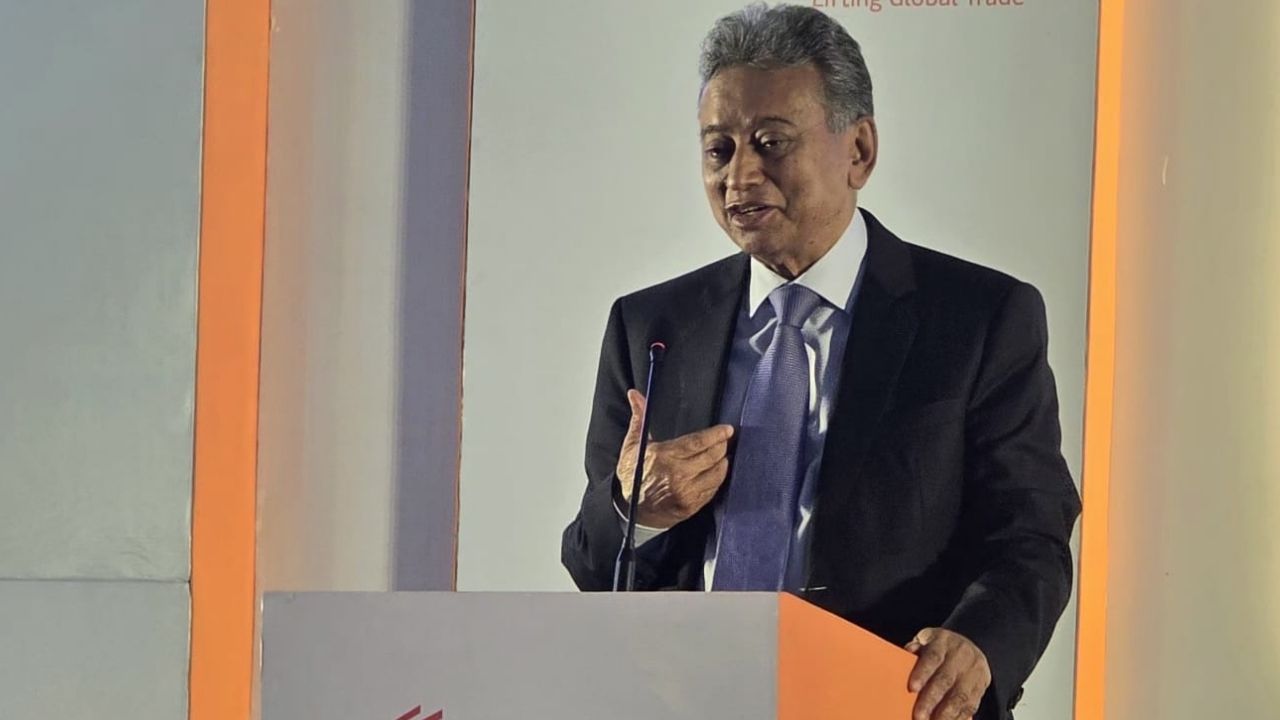
Power, Energy and Mineral Resources Minister Iqbal Hassan Mahmood on Thursday said the authorities are considering scrapping duties on core solar components including frames, photocells and storage batteries, alongside a five-year tax holiday for renewable energy investors to attract private capital.
He said a high-level policy framework is being developed to create an investment-friendly structure for the sector, with finalisation expected by June 2026. The framework aims to lower capital costs, improve project viability and support large-scale solar deployment.
Citing Pakistan as a reference, the Minister said that country achieved positive outcomes by importing solar equipment and extending incentives to investors.

Bangladesh, he said, could adopt a similar model through direct import of equipment or allowing private-sector imports at zero duty.
“Investment must come first before revenue. After five years, the government will naturally receive taxes,” he said, adding that the proposal will be placed before policymakers for further consideration.




Bangladesh Solar and Renewable Energy Association President Mostafa Al Mahmud said duty waivers, combined with affordable green financing, would be critical to accelerating adoption.
He said solar installation costs in Bangladesh currently stand at about $1,500 per kilowatt compared with nearly $1,000 globally. With the proposed duty rationalisation, costs could fall to around $1,100, a reduction of roughly 26 per cent.
He added that total tax incidence on solar equipment could decline from nearly 50 per cent to about 10 per cent under the proposed structure.
Analysts said lower capital costs would improve tariff competitiveness and investment returns, particularly for rooftop and industrial solar projects where high upfront expenditure has constrained growth.
Bangladesh’s renewable energy targets include 10,000 megawatts of solar capacity by 2030, with renewables expected to account for 20 per cent of electricity generation by 2030 and 30 per cent by 2040.
The country currently has an installed power generation capacity of about 28,616 megawatts, with renewables contributing around 5.39 per cent. Solar accounts for an estimated 1,450 to 1,559 megawatts, still below 3 per cent of total capacity.
Despite gradual expansion, stakeholders said high import duties and financing costs continue to deter private investment and slow deployment.
Mostafa Al Mahmud said access to green financing at around 5 per cent interest would be as important as tariff relief in enabling both household and industrial solar uptake.