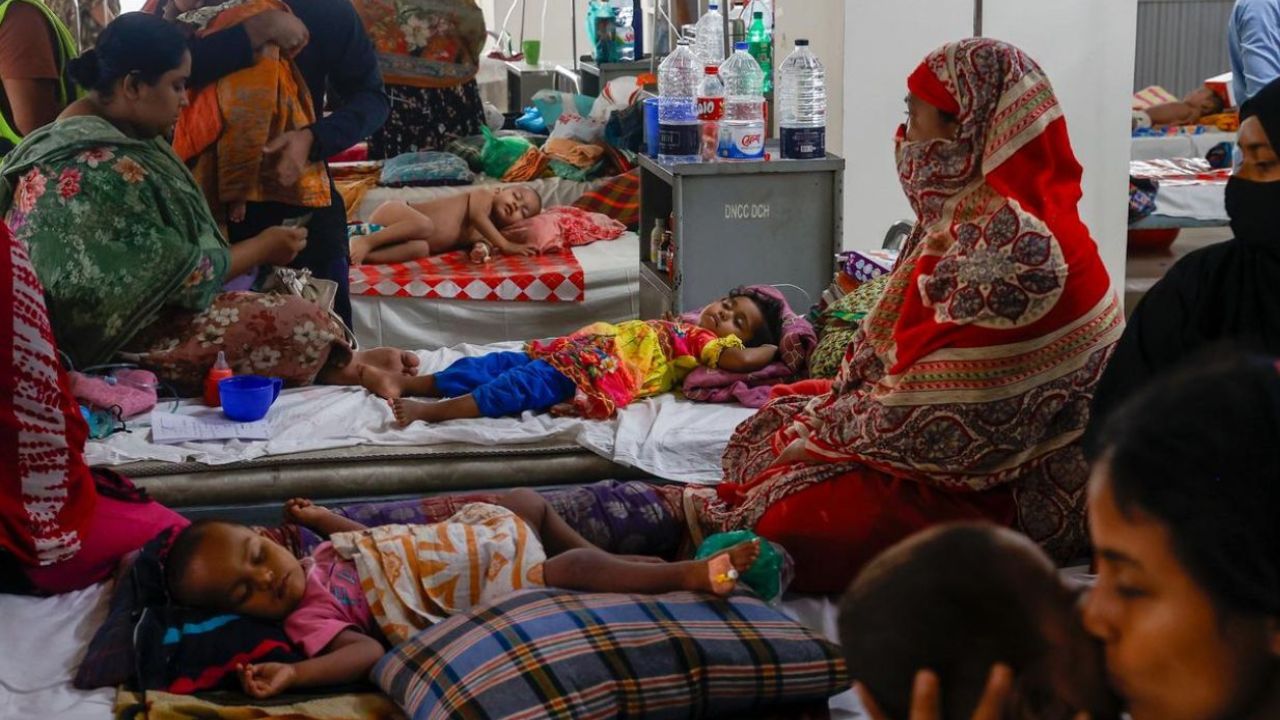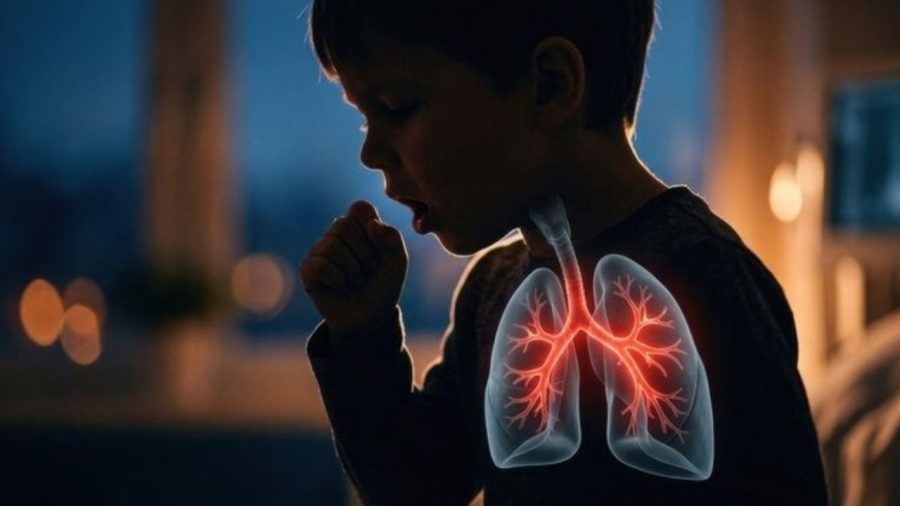



Around two children under the age of five die from pneumonia every hour in Bangladesh but the Directorate General of Health Services does not issue any report on these deaths at the end of each day, month or year.
The annual death toll stands at 24,000 to 26,000 and despite the high number of deaths, adequate treatment facilities and public awareness remain lacking.
Children are often not taken to hospital in time because their families fail to recognise the danger signs.
But reaching a hospital does not guarantee adequate care.
Health centres at upazila and union levels do not have adequate oxygen supplies, lack the equipment needed to diagnose pneumonia and treat critically ill patients.
A key sign of severe pneumonia is a fall in blood oxygen levels.
A pulse oximeter can quickly detect this, allowing oxygen and other treatment to be provided as required. However, such devices and arrangements for an uninterrupted oxygen supply are lacking at upazila and union levels.
Paediatrician and neonatologist Maria Kibtia told TIMES, “Malnutrition, air pollution, overcrowded living conditions and delays in receiving treatment can make pneumonia more complicated.”
Kibtia contended that many child deaths from the disease can be prevented through awareness, timely vaccination, proper nutrition, quick diagnosis and appropriate treatment.

Eight-month-old Shipra Das from Nepa Union in Maheshpur upazila of Jhenaidah developed high fever, abdominal pain, a cough with phlegm and breathing difficulties.
Instead of taking her to the upazila health complex, only six kilometres away, her father, Debashish Das, took her to a local traditional healer.
Ultimately, the child did not survive.
Shipra’s symptoms were consistent with pneumonia and countless children like her face similar circumstances.
The worry is hundreds of parents dismiss their children’s fever, cough or breathing difficulties as symptoms of a common cold.


Even when they recognise the symptoms, delay in seeking medical attention proves fatal.
A national-level study published in the Journal of Global Health found that 48% of children who lose their lives due to pneumonia died at home, 44% in hospitals or healthcare facilities and 8% on their way to hospital.
No treatment was sought for 7% of these children.
Government statistics show that pneumonia is responsible for nearly 24% of deaths among children under the age of five, with Bangladesh ranking fifth in the world in terms of the rate of pneumonia infections.
Yet government initiatives to address the disease remain inadequate, with no significant change in the child pneumonia mortality rate over the past five years.
According to the study titled “Child mortality in Bangladesh – why, when, where and how? A national survey-based analysis” published in the Journal of Global Health, fewer than 10% of designated health facilities in the country have pulse oximeters.
One-third of district hospitals and one-quarter of upazila-level hospitals lack a reliable oxygen supply system while two-thirds of health facilities do not have the ARI timers needed to measure respiratory rates.
Nearly half of the facilities lack proper weighing scales and there are shortages of amoxicillin, an antibiotic, used to treat pneumonia.
The risks increase when critically ill children are referred from upazila facilities to district hospitals because of long distance, ambulance shortage and lack of oxygen during transport.
Many families lose their children before they reach advanced treatment centres, although early diagnosis and treatment at local facilities could have saved them.
Child deaths from pneumonia are also linked to family finances, mothers’ education and healthcare during pregnancy, childbirth and the postnatal period.
A 2024 study published in the Journal of Global Health Reports on child mortality in Bangladesh’s urban slum areas found that pneumonia accounted for 20.99% of deaths among children born at home, compared with 10.81% among those born at healthcare facilities.

The study attributed 22.22% of deaths among children of illiterate mothers to pneumonia. The proportion was 16.22% among children of mothers with primary education and 11.11% among those whose mothers had secondary or higher education.
According to researchers, these deaths could be reduced through integrated healthcare for mothers and children, better primary healthcare and equitable treatment for poor families.
Treatment costs are another major burden, particularly for low-income families.
Research has found that nearly 50% of families whose children died from pneumonia could not afford treatment. Poor families hesitate to seek medical care because of the anticipated costs of hospital admission, diagnostic tests, medicines, food and accommodation.
For people living in char areas, haors and hilly regions, swiftly taking a child to hospital at night or during bad weather is also difficult.
Saying that symptoms usually begin with a cough, Professor Md Abid Hossain Molla of Ibrahim Medical College told TIMES: “In many cases, patients recover within two to four weeks. However, as complications develop, breathing difficulties may occur and can even lead to death. Children, elderly people and those with pre-existing heart and lung diseases are at greater risk of becoming seriously ill.”
Pneumonia can be caused by viruses or bacteria. Bacterial pneumonia generally causes a high fever and a cough with thick phlegm. Viral infections may cause fever, a cold and cough, and other family members may also become infected around the same time. If a child develops pneumonia repeatedly, tuberculosis, congenital heart disease or an impaired immune system should also be considered.
Research conducted by icddr,b in 2019 and 2021 found a high prevalence of antibiotic-resistant Gram-negative bacteria among children admitted to hospitals with some rare Gram-negative bacteria emerging as new causes of pneumonia in children.
Doctors stress the importance of reducing indoor air pollution and maintaining regular handwashing habits to prevent pneumonia.
One study found that improving indoor air quality can reduce the risk of pneumonia deaths by up to half, while handwashing can reduce infections by around 21%.
Smoke from firewood-burning stoves in rural areas, excessive air pollution in cities place additional pressure on children’s lungs while overcrowded living conditions increase the risk of infection with children suffering from malnutrition nearly 15 times more likely to develop pneumonia.