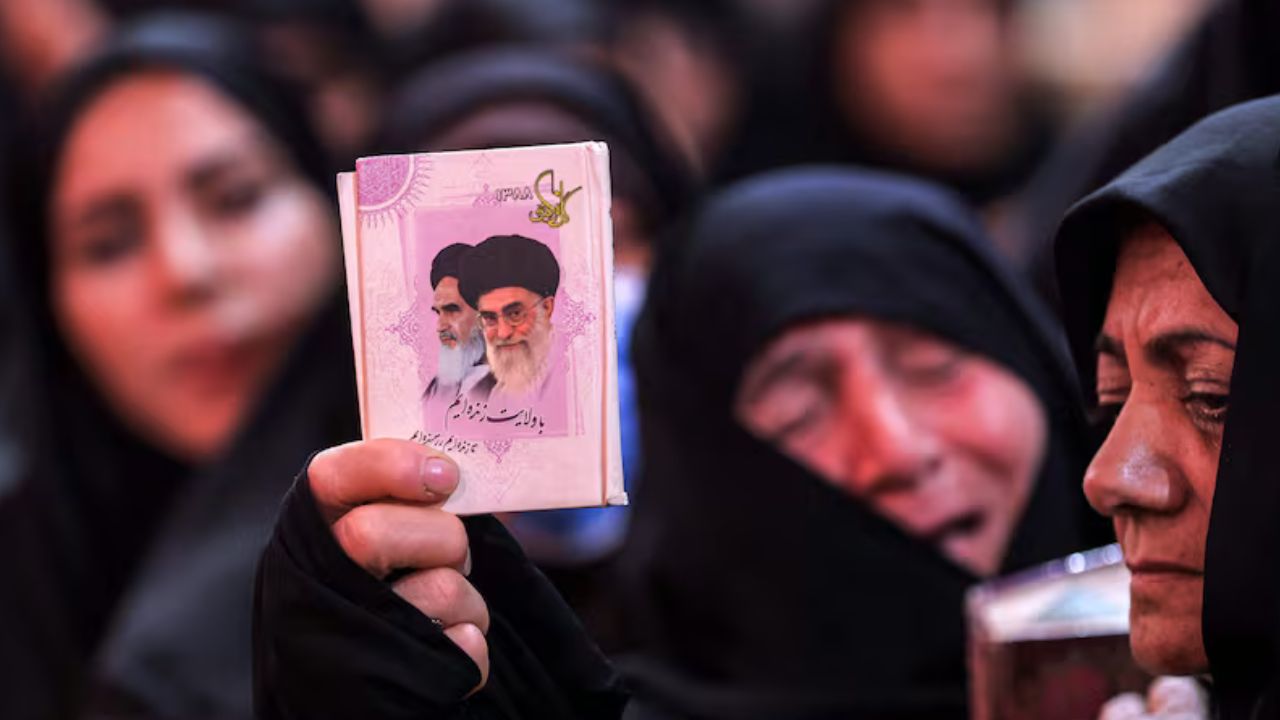

The decision to inter the late Iranian supreme leader Ayatollah Ali Khamenei in Mashhad represents a profound convergence of personal history, religious sanctity, and state symbolism, marking a departure from the precedent set by the Islamic Republic’s founder.
While the burial site of a supreme leader in Iran transcends personal preference, Mashhad was chosen to reinforce the foundational spiritual identity of the nation and signal a homecoming for the leader to his birthplace.
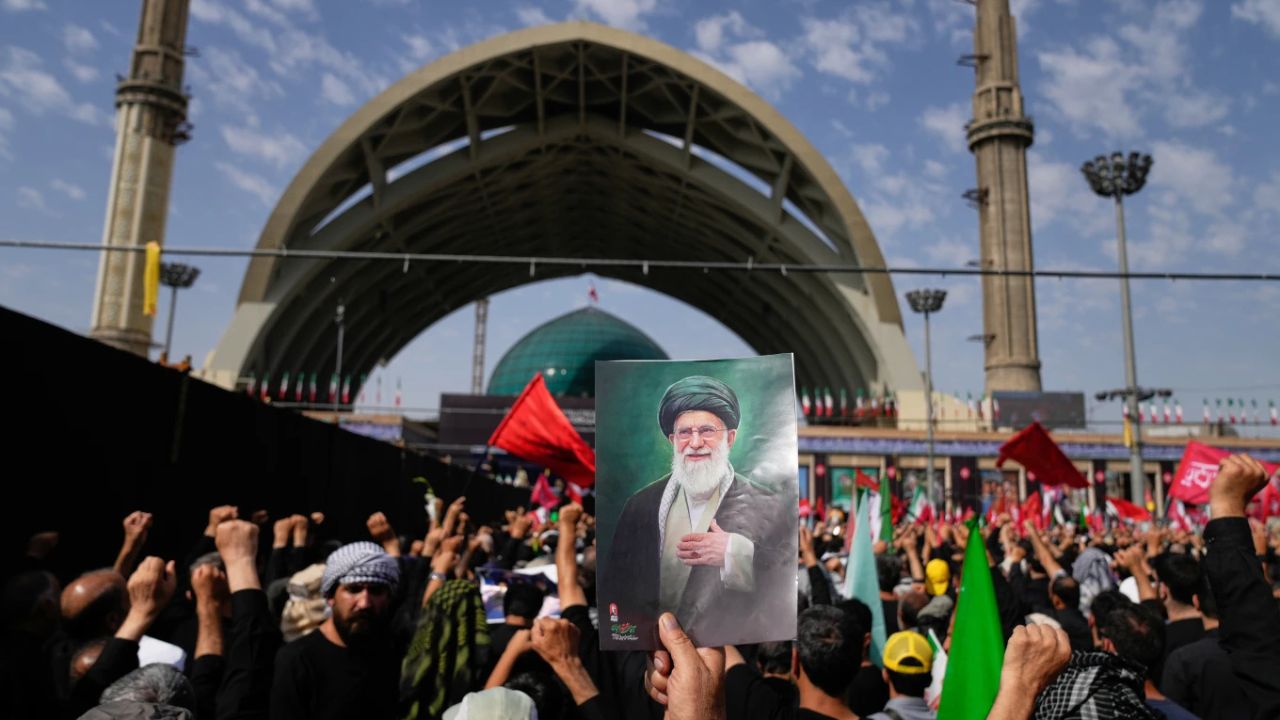
A symbolic journey
For Ayatollah Khamenei, Mashhad was not merely a strategic choice but the city that shaped his life and religious worldview. Born in Mashhad on 19 April 1939, to a humble Islamic scholar, he spent his formative years in the city’s traditional primary schools and theological seminaries.
He received his early religious training at the Soleiman Khan and Nawwab religious schools under the tutorship of eminent scholars before pursuing advanced studies elsewhere.

His political activism against the Pahlavi regime also took root in Mashhad, where he held influential classes on the Quran and Islamic ideology that attracted thousands of students.
Returning to the city in death completes a symbolic journey from a young theology student to the highest political authority in the country.
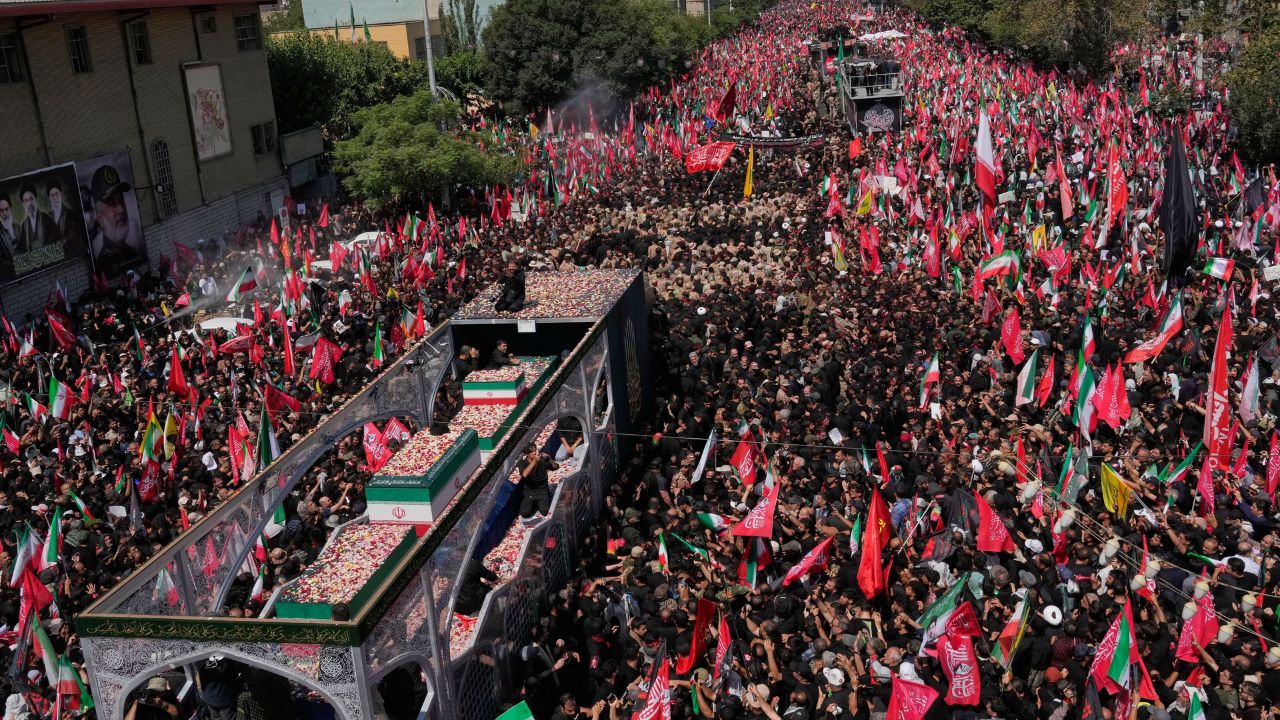
The spiritual heart of nation
The choice of Mashhad is inextricably linked to the Imam Reza shrine, the burial place of the eighth Imam of Twelver Shia Islam and the only Shia Imam interred within modern-day Iran. The shrine serves as the spiritual heart of the country and a unifying figure during times of national crisis or political upheaval.




Being buried in the vicinity of Imam Reza is considered the highest spiritual honour for a believer, a tradition followed by influential clerics, scholars, and rulers throughout history.
By placing Khamenei’s legacy alongside this enduring institution, the Iranian leadership seeks to highlight religious continuity and root the late leader’s authority in sacred heritage rather than political office alone.

Strategic symbolism and national identity
The decision to inter Khamenei in Mashhad rather than Tehran – where the republic’s founder, Ayatollah Ruhollah Khomeini, is buried – carries significant political weight.
Khomeini’s mausoleum in the capital represents the revolutionary founding of the state, whereas Khamenei’s resting place in Mashhad emphasizes spiritual ties and popular devotion.
This shift moves the symbolic centre of leadership away from the clerical establishment in Qom and the political seat in Tehran toward a global pilgrimage destination that attracts millions of visitors annually from across the Islamic world.
A site of collective memory
Mashhad is now expected to evolve into a primary focal point for state commemorations and national pilgrimage, further elevating its role in Iran’s political landscape.
Khamenei was laid to rest in the Dar al-Zikr Riwaq of the shrine complex, sharing the site with other prominent figures such as the late President Ebrahim Raisi, who was buried there in 2024.
This move reaffirms Tehran’s claim as the principal guardian of Twelver Shia Islam, weaving together faith, history, and governance into a powerful symbol for future generations.