
For generations, Disney sold magic. Today, it sells franchises. The fairy tales that once defined the company have evolved into billion-dollar brands spanning cinemas, streaming, merchandise, theme parks, cruises and live entertainment. The disappointing debut of the live-action Moana has now reignited an uncomfortable question across Hollywood: has Disney’s winning formula become too familiar?
A Disney hit no longer ends its journey at the box office. It fuels Disney+, consumer products, publishing, Broadway, theme parks, cruises, gaming and, increasingly, another film. Few modern franchises illustrate that strategy better than Frozen and Moana.
On paper, Moana looked almost impossible to miss. The original 2016 animated film became Disney+’s most-streamed feature, while Moana 2 sailed past $1 billion worldwide after its release in November 2024. Riding that momentum, Disney expected the live-action remake to open above $60 million in North America, with early tracking reaching as high as $75 million. Instead, it launched with just $43 million against a reported $250 million production budget before marketing costs, making it one of the weakest openings among Disney’s modern live-action remakes.
The numbers become even more telling when viewed alongside Disney’s biggest remake successes. Lilo & Stitch stormed to a record-breaking $183 million four-day opening before crossing $1 billion globally. Earlier remakes such as Beauty and the Beast, Aladdin and The Lion King all opened above $90 million domestically before joining the billion-dollar club. The difference, however, may have been timing. Those films returned after audiences had spent more than two decades away from them. Moana came back only about 10 years after the original and just 19 months after Moana 2. As Box Office Theory founder Shawn Robbins observed, “Everything comes down to timing in this business, and it just did not work in Moana’s favour.”
If one pattern has emerged from Disney’s recent theatrical strategy, it is the company’s growing reliance on a handful of proven franchises. As several live-action remakes and original releases delivered mixed or disappointing commercial results, Disney repeatedly turned back to brands such as Frozen, Moana, Toy Story and, more recently, Lilo & Stitch franchises that consistently generate revenue not only at the box office but also across streaming, consumer products and theme parks. Whether by design or simply sound business strategy, these brands increasingly appear to have become Disney’s commercial safety net.

That reflects a much bigger shift inside the company. Under Chief Executive Bob Iger, Disney has doubled down on established intellectual property capable of generating revenue across every corner of its business. Unlike the traditional Hollywood model, Disney no longer measures a blockbuster solely by ticket sales. One successful film can generate years of revenue through Disney+, merchandise, publishing, video games, live entertainment, cruises, theme parks and global licensing. In many ways, the film itself has become the starting point of a much larger commercial ecosystem rather than the finished product.
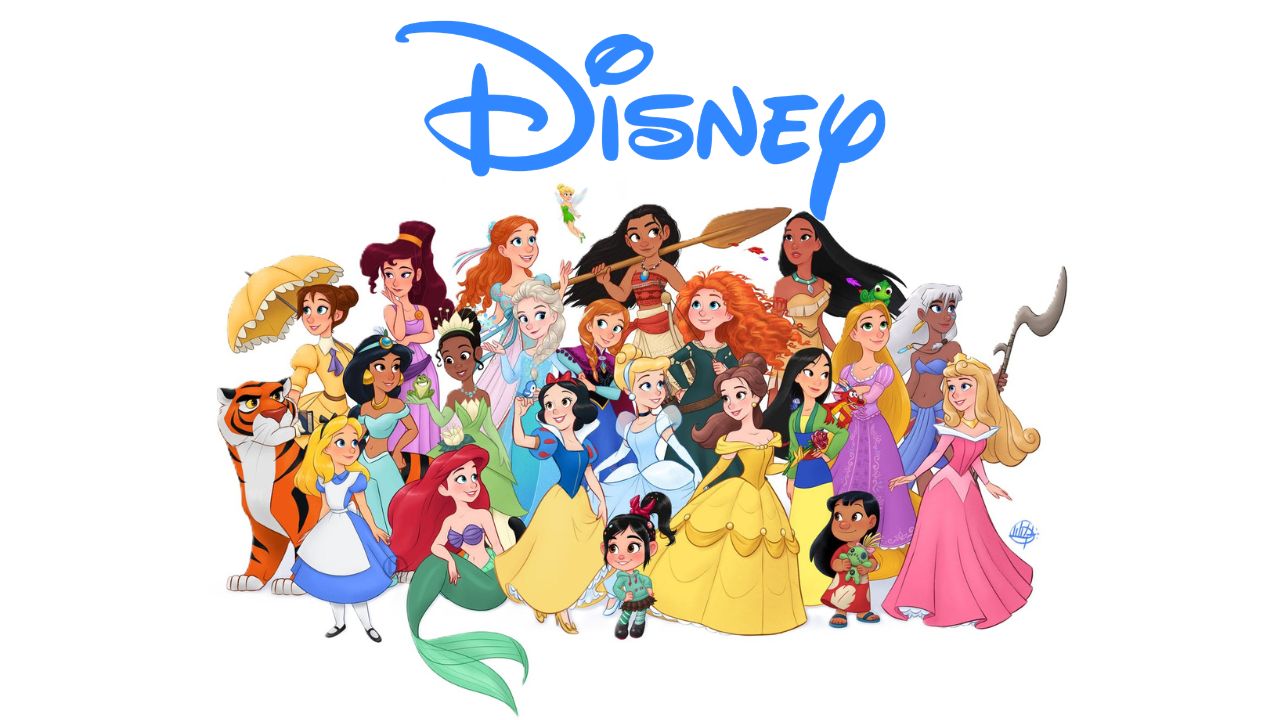
No modern franchise illustrates that transformation better than Frozen. Although Elsa and Anna are Disney royalty, they never joined the traditional Disney Princess brand alongside Cinderella, Belle, Ariel, Rapunzel, Pocahontas and Moana. Instead, Disney built Frozen into its own global powerhouse. The franchise supports dedicated lines of dolls, clothing, books, toys, video games, stage productions, theme park attractions and cruise experiences without sharing the spotlight with the rest of Disney’s princesses. Following the film’s release in 2013, demand for Frozen merchandise exploded, generating hundreds of millions of dollars in toy sales while Disney Stores repeatedly ranked it among their strongest-performing brands.



Disney also ensured the phenomenon never disappeared. Rather than waiting years for another sequel, it kept Frozen alive through Frozen Fever, Olaf’s Frozen Adventure, Broadway productions, holiday specials, books, games and a constant stream of merchandise. Every new release reinforced the franchise’s visibility while expanding its commercial reach. Frozen had become far more than a film series. It had become a year-round business.
Having perfected that blueprint with Frozen, Disney followed an increasingly similar playbook with Moana. After becoming Disney+’s most-streamed film, the franchise expanded into books, toys, publishing, cruises, theme parks and consumer products before Disney transformed a planned Disney+ series into the billion-dollar theatrical success Moana 2. From a business standpoint, the decision was logical. Moana had become one of Disney’s most dependable franchises, generating value far beyond cinemas.
Following the commercial disappointment of Snow White and the comparatively softer theatrical performance of The Little Mermaid than Disney’s biggest remake successes, returning to one of the studio’s strongest modern brands appeared commercially sound. Yet before audiences had much chance to miss the sequel, Disney returned with a live-action retelling of the original story.
It was a move that reflected confidence in one of the company’s safest brands, but it also raised the possibility of franchise fatigue. What works for streaming and merchandising, however, does not always translate into anticipation at the cinema.
Critics certainly were not convinced. Before release, Moana received a 34 per cent score on Rotten Tomatoes, the lowest critics’ rating for any of Disney’s live-action remakes. The verdicts were strikingly similar. The Guardian described it as “Dwayne Johnson’s demigod on autopilot in dull live-action remake”.
Deadline concluded that the film “runs aground”. The New York Times said it “doesn’t go far”, while ScreenRant argued it loses much of the original’s magic. Collider dismissed it as “a voyage worth taking” in the negative, and The Hollywood Reporter labelled it a “live-action shipwreck”. The consensus was unmistakable: critics saw a technically polished remake that faithfully recreated the original but offered little reason to exist.
Audiences saw things differently. The film earned a 90 per cent audience score on Rotten Tomatoes, an A- CinemaScore and an A+ from viewers under 18, even edging past the original film’s audience rating. Yet enthusiasm among those who watched it never translated into the blockbuster opening Disney had anticipated.
The studio heavily promoted its “Verified Hot” audience score and proclaimed Moana the world’s number one film during its opening weekend, but positive word of mouth proved insufficient to reverse a soft debut.
Perhaps Disney’s greatest strength has also become its greatest challenge. For decades, the studio mastered the art of creating stories that audiences rediscovered across generations. Today, streaming, sequels, merchandise, theme parks and live-action remakes ensure its biggest franchises rarely leave the spotlight. That strategy has created some of the world’s most valuable entertainment brands, but Moana suggests it may also carry an unexpected cost. Audiences cannot miss what never truly goes away.
For more than a century, Disney built its legacy on unforgettable stories. Today, it has perfected the business of turning those stories into franchises. The disappointing start for the live-action Moana may not mark the end of Disney’s remake strategy, but it does suggest that even Hollywood’s most dependable brands need something money cannot buy time to let the magic return.