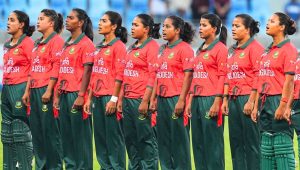
Thomas Dooley arrives in Dhaka with a football identity Bangladesh rarely had the luxury of encountering before. He prefers structure over emotion, midfield control over chaos and long-term rebuilding over short-term noise. The 64-year-old former United States captain now inherits the most tactically advanced Bangladesh squad of the modern era, a team transformed between 2023 and 2026 by diaspora recruitment and rising public expectation. The timing suits him almost perfectly.
Bangladesh no longer rely purely on survival football. Under Javier Cabrera, the national side began moving away from aimless clearances and reactive defending, building shorter passing sequences, pressing with shape and controlling portions of matches rather than simply enduring them. The 2023 SAFF Championship offered the first visible signs of that shift. Dooley steps into a squad with far stronger tools than any previous Bangladesh coach possessed.
His philosophy centres on a compact 4-2-3-1 system. He builds from the back. Two holding midfielders protect the defence. A disciplined attacking structure governs transitions. He prefers controlled possession and patient build-up, but adapts pragmatically against stronger opponents. That approach fits the current Bangladesh player pool almost perfectly, and the biggest reason sits in midfield.
Hamza Choudhury gives Dooley the tactical organiser he has always sought. Hamza understands pressing angles, defensive spacing and transition timing at Premier League level. Dooley himself evolved from old-school sweeper into a ball-progressing organiser during his Bundesliga career. Their football ideas overlap naturally. Alongside Hamza, Shamit Shome offers the composure Bangladesh have historically lacked. Shome slows matches down, circulates possession calmly under pressure and helps control rhythm rather than chase games. A line from Dooley’s earlier coaching spells captures the philosophy precisely: “I love to play football. I don’t like to chase football.”

The rest of the squad slots into his structure with encouraging neatness. Anisur Rahman Zico suits his demand for defensive communication and organisation. Topu Barman and Tariq Kazi provide aggressive defensive personalities. Rakib Hossain gives vertical speed in transition. Fahamedul Islam looks exactly like the type of coachable, energetic and tactically flexible winger Dooley consistently develops.
The deeper transformation may come through the next diaspora wave. Players such as Declan Sullivan, Ronan Sullivan, Ibrahim Nawaz and Adam Abbas represent more than a talent injection. They represent a profile shift. Bangladesh traditionally produced emotionally intense footballers with limited tactical education. The newer diaspora generation grows up inside academy systems that teach spacing, pressing structures, positional discipline and sports science from childhood, directly supporting the standards Dooley demands.
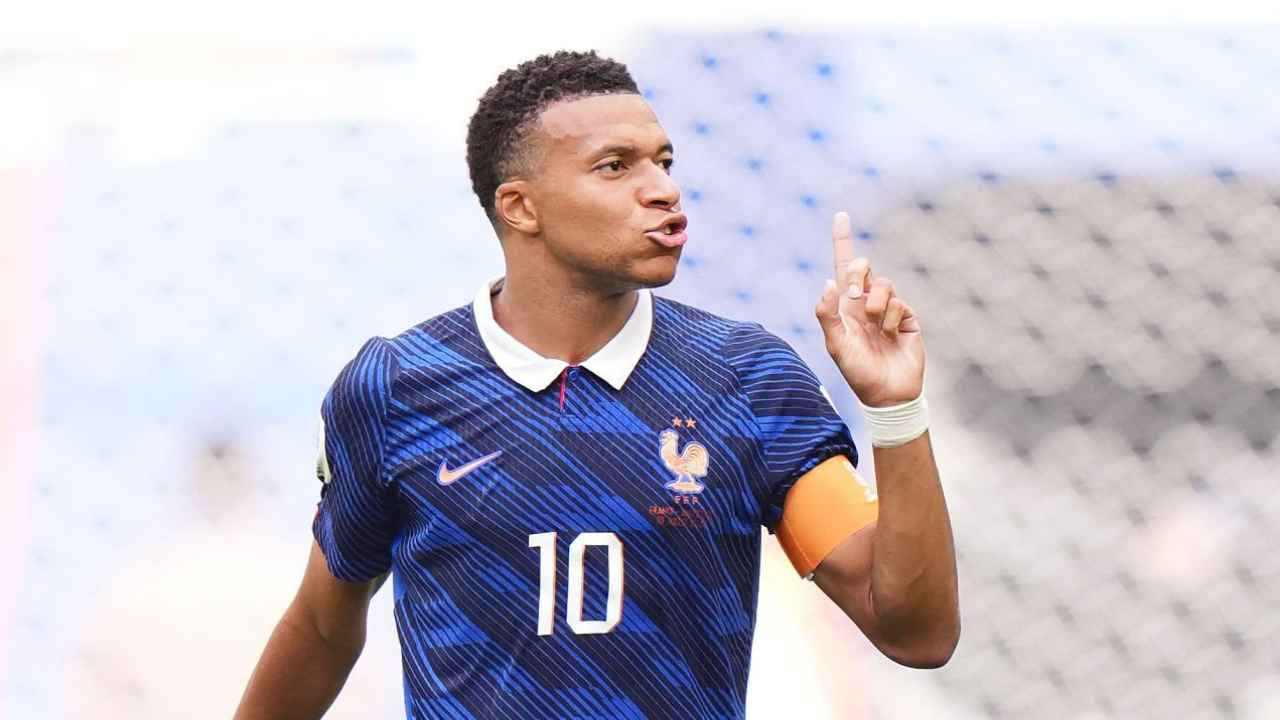



His football career explains why he values those qualities so heavily. He started inside old West German football culture as a libero, learning positioning, anticipation and defensive organisation before the modern game erased the traditional sweeper role. Unlike many defenders of that era, he adapted, moving into midfield, progressing possession and evolving into a deeper organiser. Later, working under Jurgen Klinsmann with the United States national team, he absorbed another crucial lesson: national teams need identity and mentality as much as tactics.
Early in his coaching career, Dooley pushed proactive possession football. Over time, particularly in Asia, he became more pragmatic. His Philippines side defended compactly, attacked through transitions and qualified unbeaten for the AFC Asian Cup, the first such qualification in that country’s history. He learned how to survive inside difficult football environments with limited infrastructure and uneven tactical education. Bangladesh presents similar challenges.
Dooley will almost certainly demand stricter fitness standards, greater tactical discipline and stronger behavioural accountability than most local players have experienced previously. Reports from his earlier roles repeatedly mentioned video analysis sessions, detailed positional correction work and a firm dressing-room hierarchy. He does not tolerate tactical freelancing or weak work-rate.
That could create friction quickly. A section of supporters protested against his appointment before he had even arrived in Dhaka. Resistance to diaspora integration also continues within parts of Bangladesh football culture. Some fear losing influence. Others fear losing places. Diaspora players naturally expose differences in tactical education and professionalism, and that exposure is rarely comfortable.
Dooley’s biggest battle may not involve tactics at all. It may involve culture. But his background suggests he understands this environment better than most foreign coaches Bangladesh have previously appointed. He has worked inside politically complicated federations, coached multicultural squads and managed dressing-room tensions and uneven development systems across Asia and the Caribbean. He appears comfortable confronting uncomfortable realities, which is perhaps the most important quality of all.
“If you don’t play the way that I think, I will let you know.”
That line probably tells you more about the next Bangladesh era than any tactical diagram.
The national team now stands between two football identities. One relies on emotion, improvisation and survival. The other values structure, accountability and controlled, purposeful football. Thomas Dooley looks firmly determined to push Bangladesh toward the second version. Whether Bangladesh football is ready for that shift remains the more interesting question.