Bangladesh’s liquefied natural gas (LNG) supply system has undergone a significant shift following the Iran–Israel war on 28 February, compelling the country to move away from its long-standing suppliers and increasingly rely on the volatile global spot market.
The shift has ensured continued gas supply but has also led to a sharp rise in costs, which have more than doubled.
For years, Bangladesh sourced more than 70 per cent of its LNG imports through long-term agreements with suppliers from Qatar and Oman.
However, escalating tensions across the Middle East, alongside the closure of the strategically vital Strait of Hormuz, have disrupted supply routes, leading to widespread shipment cancellations under force majeure clauses.
Alternative sources and the soaring costs
With contracted cargoes suspended, state-run Petrobangla has been forced to source LNG from the international spot market to maintain an uninterrupted supply to the national grid.
LNG cargoes are now arriving from a broader range of countries, including Australia, Malaysia, Singapore, Nigeria, and Angola, while the USA remains a reliable supplier with an uninterrupted supply route.

However, this shift has come at a significant financial cost.
According to Petrobangla, LNG prices in the spot market have surged from around $10 per MMBTU (Million Metric British Thermal Units) in January to approximately $22 per MMBTU or more, more than doubling within a few months.
As a result, Bangladesh is facing an additional monthly burden exceeding Tk4,500 crore for LNG imports. For April alone, Petrobangla estimates that it needs an extra Tk4,500 crore to procure LNG from the spot market.
To manage this financial strain, the corporation has requested Tk4,509 crore in subsidies from the government’s Energy Division.



Officials further estimate that up to Tk20,000 crore in additional subsidies may be required if elevated prices persist due to the ongoing conflict.
Growing reliance on the spot market
Petrobangla Director for Finance Mizanur Rahman told TIMES of Bangladesh that the country maintains five long-term LNG supply contracts with key international companies, including QatarEnergy, OQ Trading International, and Excelerate Energy.
“Due to the war situation, suppliers have declared force majeure on several shipments, which we are now replacing with spot market purchases,” he said.
Petrobangla currently has 24 enlisted suppliers from the spot market, enabling it to source LNG from multiple regions.
Rahman acknowledged that procurement costs have more than doubled but expressed hope that regular supply from long-term partners would resume once the conflict subsides.
Petrobangla has planned to import a total of 115 LNG cargoes in 2026. In January, 8 cargoes arrived, and 9 cargoes arrived in February. However, in March, although 8 cargoes were scheduled, suppliers declared force majeure on 2 cargoes, leading to only 7 cargoes arriving—sourced from both the spot market and long-term suppliers in Qatar and Oman.
For April, 9 cargoes were initially planned. However, 8 were declared force majeure, resulting in 9 cargoes being expected—8 from the spot market and 1 from a Qatari supplier.
For May, 11 cargoes are expected, but 5 have already been declared force majeure. To address this, Petrobangla has already finalised contracts for 2 LNG cargoes from the spot market for May, with procurement for the remaining 3 cargoes currently underway.
A cargo carrying approximately 3,000 million cubic feet of LNG has already arrived from Nigeria, reflecting the growing reliance on non-traditional suppliers.
Industry officials said that more suppliers are invoking force majeure, a legal provision that allows contract suspension due to extraordinary circumstances, such as war or natural disasters.
LNG shipments scheduled under long-term contracts have been declared force majeure through mid-May, leaving Bangladesh with limited alternatives beyond the spot market.
Mohammad Saifullah Kabir, Deputy General Manager for LNG at RPGCL, said five out of the 11 cargoes scheduled for May from Qatar and Oman have been cancelled.
“Following these cancellations, Petrobangla initiated fresh procurement from the spot market. Contracts for two cargoes have already been completed, and tenders for three more are in progress,” he said.
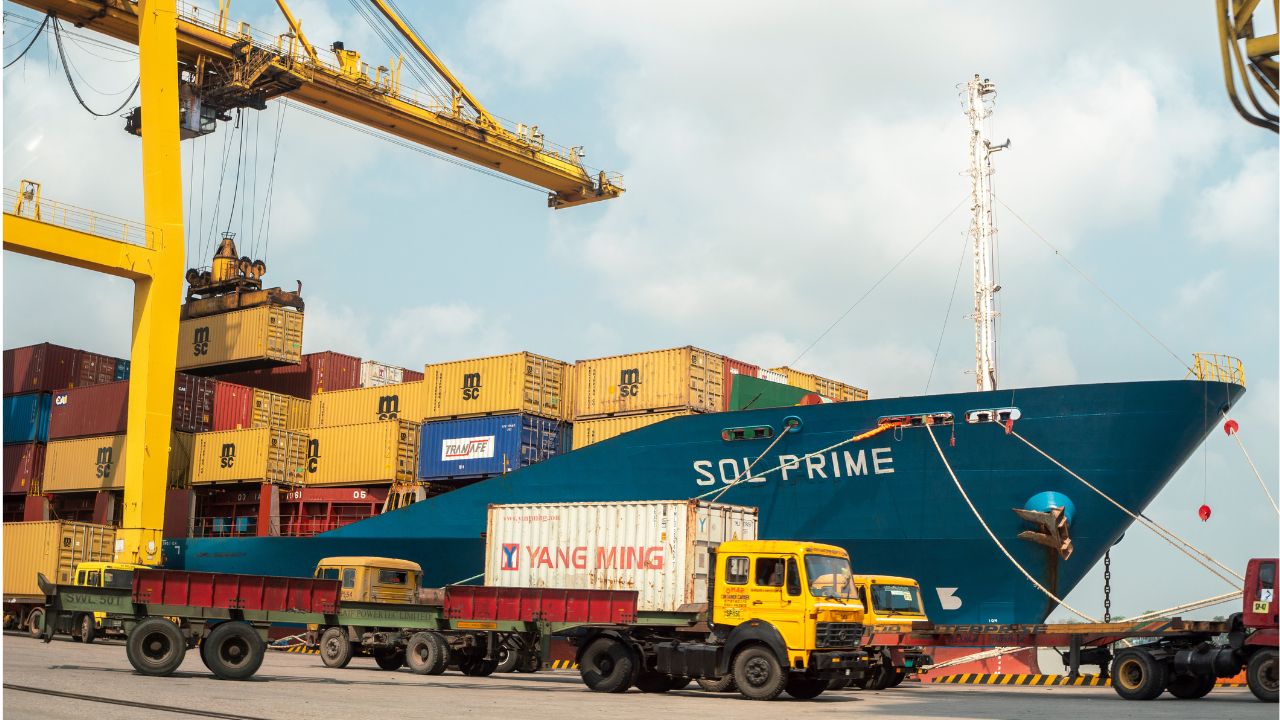
Bangladesh imports LNG to meet its growing domestic demand and processes it through two floating storage and regasification units (FSRUs) located in the Bay of Bengal near Maheshkhali. One terminal is operated by Excelerate Energy, while the other is managed by Summit Group.
Together, these facilities have a combined regasification capacity of approximately 1,100 million cubic feet per day and typically supply between 800 and 850 million cubic feet of gas to the national grid under normal conditions.
Since beginning LNG imports in 2018, Bangladesh has primarily relied on Qatar and Oman, importing between 100 and 115 cargoes annually, with each cargo containing about 3,000 million cubic feet of LNG.