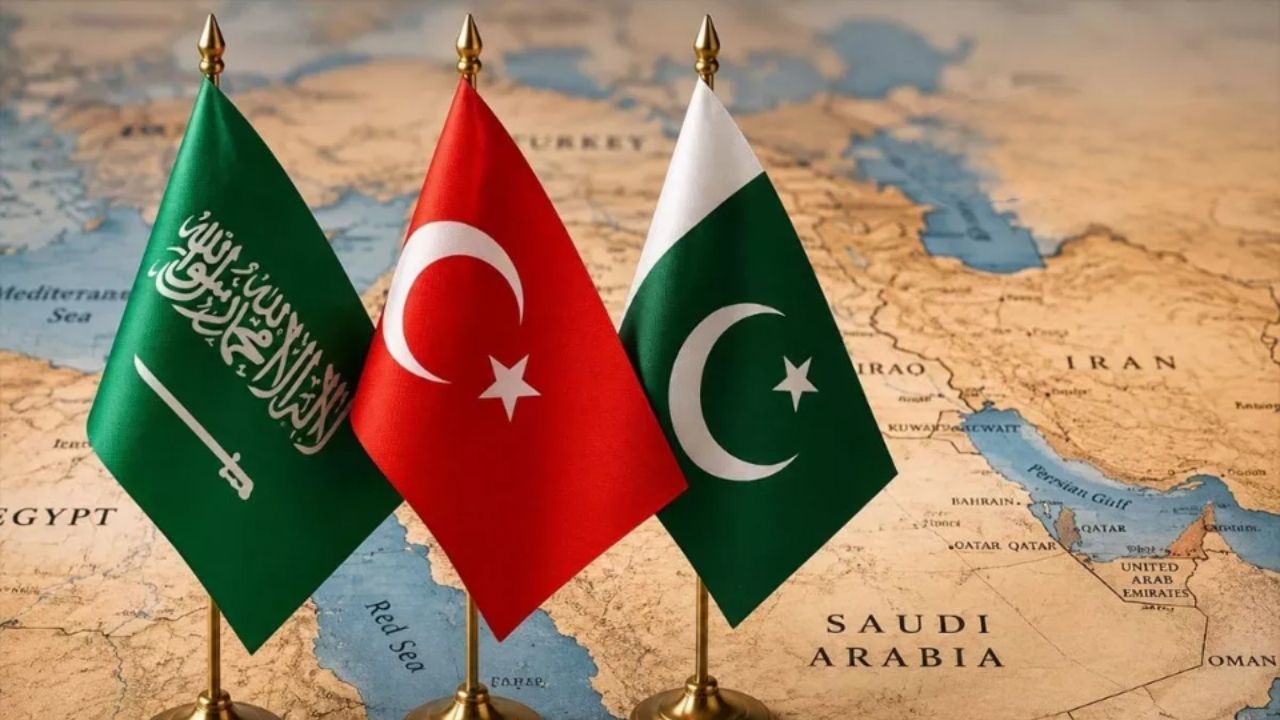
Bangladesh’s upcoming national election is prompting a fresh round of geopolitical positioning in South Asia, with India and the United States increasingly engaged in quiet diplomatic efforts to influence the political direction in Dhaka.
The developments come months after the July 2024 mass uprising that forced the Awami League from power, raising concerns in regional capitals about stability, security and the balance of influence in the Bay of Bengal. Diplomats say both Washington and Delhi now view Bangladesh’s political transition as central to their competing but often converging strategic priorities.
Multiple diplomatic sources confirm that India has intensified behind-the-scenes efforts to ensure the Awami League participates in the thirteenth national election. New Delhi is said to consider the party’s inclusion crucial to its security interests, particularly regarding stability in Bangladesh, the risk of extremist mobilisation and the security of India’s northeastern states.

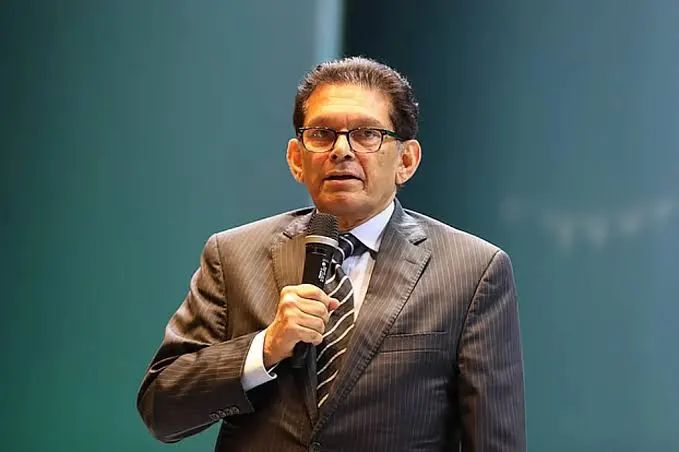
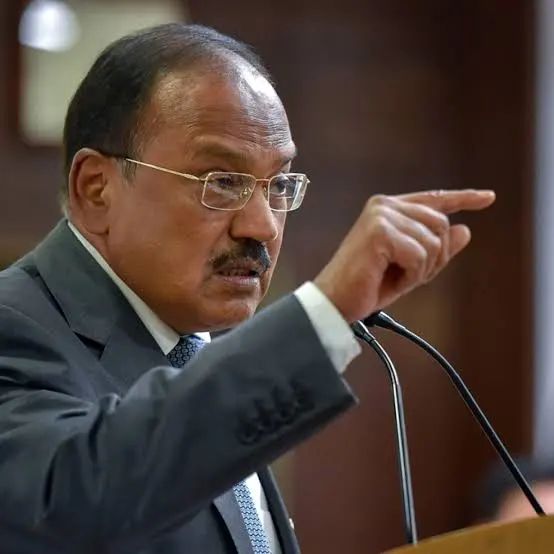
The issue featured prominently during a meeting in Delhi between Bangladesh’s National Security Adviser Khalilur Rahman and his Indian counterpart Ajit Doval on the sidelines of the Colombo Security Conclave. Soon afterwards, both sides met again in Qatar in talks facilitated by Abdullah bin Mohammed bin Mubarak Al Khulaifi, the Chief of the Amiri Diwan, who previously received the CIA’s George Tenet Medal for advancing US-Qatar security cooperation.
Sources say US officials were also present at the Doha discussions, signalling Washington’s growing engagement in Bangladesh’s electoral landscape. According to officials in Dhaka, Khalilur Rahman is in Qatar between 25 and 28 November, although the government order authorising the visit does not specify its purpose.




Diplomats familiar with the discussions describe a convergence of concerns among India and US. For India, Bangladesh’s internal stability and the risk of renewed militancy remain key considerations. China’s deepening footprint in South Asia adds to Delhi’s unease, particularly as Beijing strengthens ties with political actors across the region. Washington shares those concerns and increasingly sees India as essential to its Indo-Pacific strategy, positioning Bangladesh as an important front in a wider geopolitical contest.

Insiders also suggest that the question of former prime minister Sheikh Hasina’s extradition has surfaced in recent conversations. However, they say India is not prepared to show interest in any such request until it receives clarity on the shape of Bangladesh’s upcoming election.
Diplomatic sources say New Delhi’s expectations from Washington are relatively clear. India seeks American support to regain the influence in Dhaka it believes has waned in recent years. The US, meanwhile, wants India to take on a greater role in Myanmar’s Rakhine state, where the Arakan Army and other armed groups are reshaping the conflict. US officials believe India could play an important part in future reconstruction and stabilisation efforts in the region.
Against this backdrop, Bhutan’s Prime Minister Tshering Tobgay made a recent visit to Dhaka carrying what multiple insiders describe as a “special message” from India’s Prime Minister Narendra Modi. Although neither side disclosed details, the visit was widely interpreted as a discreet form of track-two diplomacy focused on Bangladesh’s election.
With the Awami League yet to confirm its participation, the election has taken on strategic significance far beyond domestic politics. For Washington, a credible vote and political stability in Bangladesh are seen as essential to its regional agenda. For India, the stakes lie in preventing instability along its border and limiting China’s expanding influence.
As diplomatic activity accelerates, two questions dominate discussions: whether the Awami League will ultimately contest the thirteenth parliamentary election, and whether the February vote might be deferred if negotiations succeed in producing a consensus.