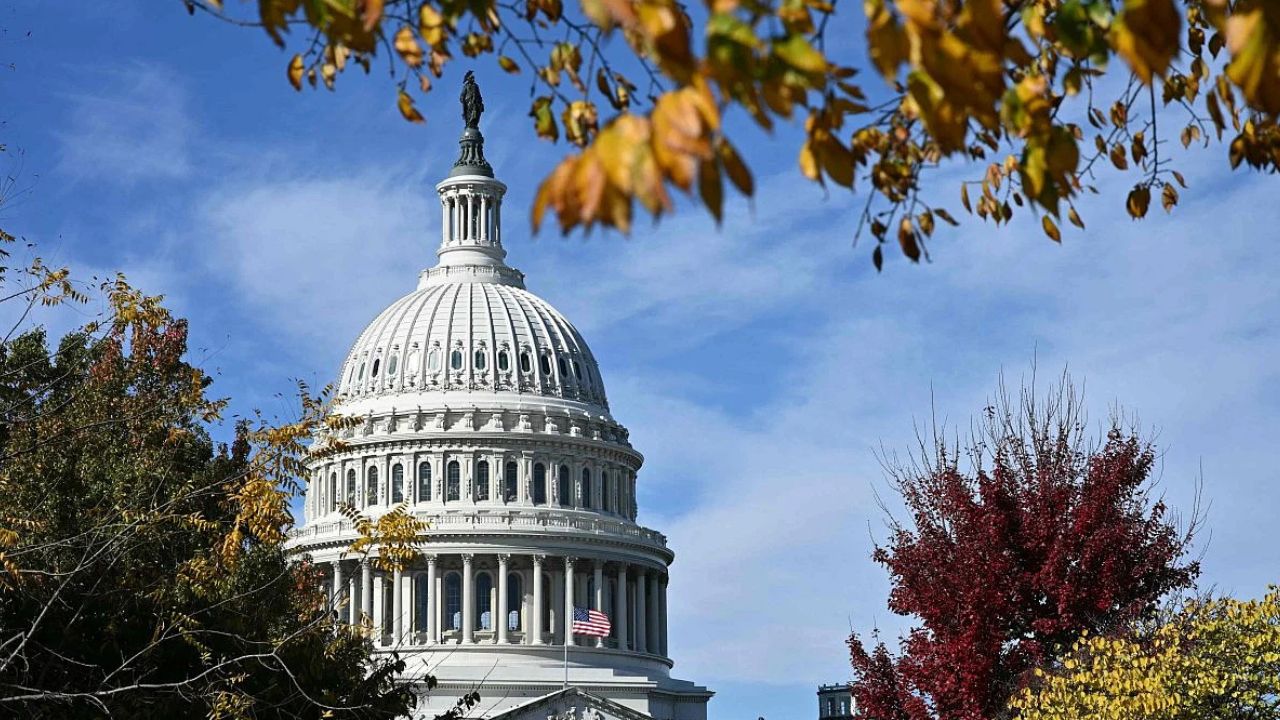

The US House of Representatives on Tuesday approved a bill to make daylight saving time permanent, ending the twice‑yearly clock changes if enacted into law.
The measure, known as the “Sunshine Protection Act,” was approved by a 308-117 vote. It now heads to the Senate, where its prospects remain uncertain. If passed there, it would require President Donald Trump’s signature to become law.
Daylight saving time is observed between spring and fall, when clocks in most parts of the United States are set one hour ahead of standard time. Under the bill, states would still have the option to opt out if their legislatures act before the measure takes effect.
Supporters, including the White House, said making daylight saving time permanent would provide more daylight during the hours when most Americans are active.

Republican Rep. Gus Bilirakis of Florida said Americans are ready to “ditch the switch,” arguing that changing clocks twice a year creates unnecessary disruption.
He said the change would give families more evening daylight to spend outdoors while also benefiting local businesses.




“In my home state of Florida, where tourism is a cornerstone of our economy, having more predictable daylight hours is a practical improvement that benefits workers, businesses and visitors alike,” Bilirakis said.
Opponents argued that permanent daylight saving time would result in darker winter mornings, potentially creating safety risks for children waiting for school buses and for commuters travelling to work before sunrise.
Democratic Rep. Mary Gay Scanlon of Pennsylvania said millions of Americans would begin their winter mornings in complete darkness, with sunrise coming well after many people had already left home.
Democratic Rep. Jim McGovern of Massachusetts said he supports the proposal but questioned whether Congress should be prioritising it while many Americans continue to struggle with rising housing, food, utility and healthcare costs.
A 2025 poll conducted by The Associated Press-NORC Center for Public Affairs Research found that if Americans had to choose one system year-round, 56% preferred permanent daylight saving time, which provides more evening daylight but less morning light. About four in 10 respondents favoured permanent standard time, offering more morning daylight and earlier sunsets.
Ahead of the House vote, the White House described the Sunshine Protection Act as a popular and common-sense reform, saying President Trump would be advised to sign the bill if it reaches his desk.
Congress has debated the benefits and drawbacks of daylight saving time for decades since it was first introduced as a wartime measure in 1942. The Senate approved a similar bill four years ago, but it failed to advance in the House.