


The US 30-year Treasury yield climbed to its highest level since 2007 on Tuesday as fears over a wider US-Iran conflict, rising oil prices and growing government debt pushed up global borrowing costs, reports Reuters and CNBC.
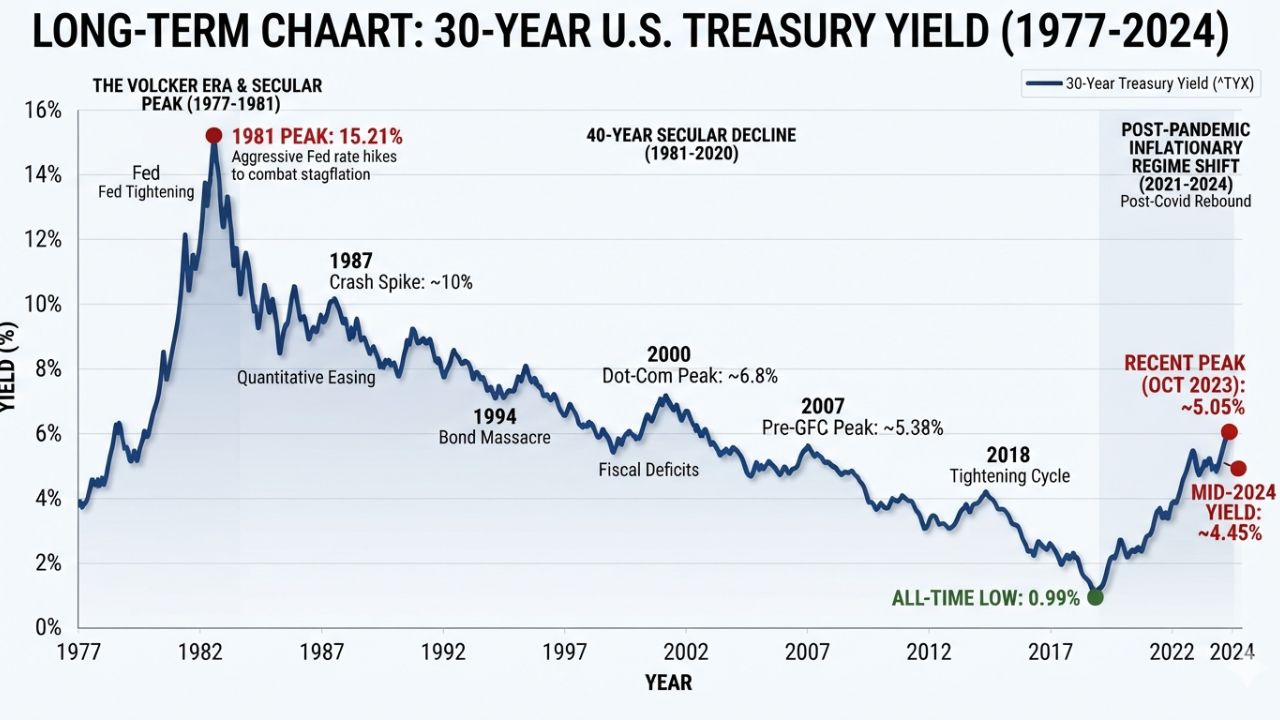
The yield touched 5.327 per cent, the highest in 19 years, while the benchmark 10-year Treasury yield rose to 4.739 per cent.
The sell-off spread to other major bond markets, with government bond yields in Japan, Germany and France also reaching multi-year highs.
For countries such as Bangladesh, the move matters because US Treasury yields act as a benchmark for global financing costs. When investors can earn higher returns from US government debt, they often demand higher returns from emerging markets, raising the cost of foreign borrowing for governments, banks and businesses.
That could make international loans for infrastructure, energy and industrial projects more expensive.

Countries that rely on external financing may face higher debt-servicing costs if global interest rates remain elevated.
The immediate trigger was renewed uncertainty over the US-Iran conflict, which pushed oil prices above $90 a barrel and revived concerns that higher energy costs could slow the global fight against inflation.
For Bangladesh, a prolonged oil-price shock could add pressure on import costs, particularly for fuel and LNG, while making inflation management more difficult.




A stronger dollar environment could also put pressure on currencies of emerging economies, increasing the local cost of imported goods.
Beyond geopolitics, investors are worried about the US fiscal outlook. Rising government borrowing and increased Treasury issuance are forcing bond markets to absorb more debt, with investors demanding higher yields before committing funds for the long term.
Recent Treasury auctions reinforced those concerns.
The 10-year note auction cleared at a 4.683 per cent yield, the highest in 19 years, while the 30-year bond auction reached a 5.216 per cent yield, a 25-year high.
The pressure is not limited to the US.
Japan’s 10-year government bond yield reached a 30-year high, while German and French long-term yields also climbed to multi-year peaks, reflecting broader concerns over inflation, fiscal pressures and rising borrowing needs.
Analysts say competition for capital is also intensifying as large technology companies increase borrowing for artificial intelligence-related investments while governments continue heavy spending.
For Bangladesh, the impact will depend on how long the high-yield environment lasts. A temporary rise may have limited effects, but persistently higher global borrowing costs could complicate foreign financing, investment flows and currency management.
The development highlights the importance for emerging economies of maintaining foreign exchange stability, managing external debt carefully and reducing vulnerability to imported energy shocks.
Global investors are now watching three factors closely: whether oil prices remain elevated, whether US debt concerns deepen and whether global interest rates stay higher for longer.