




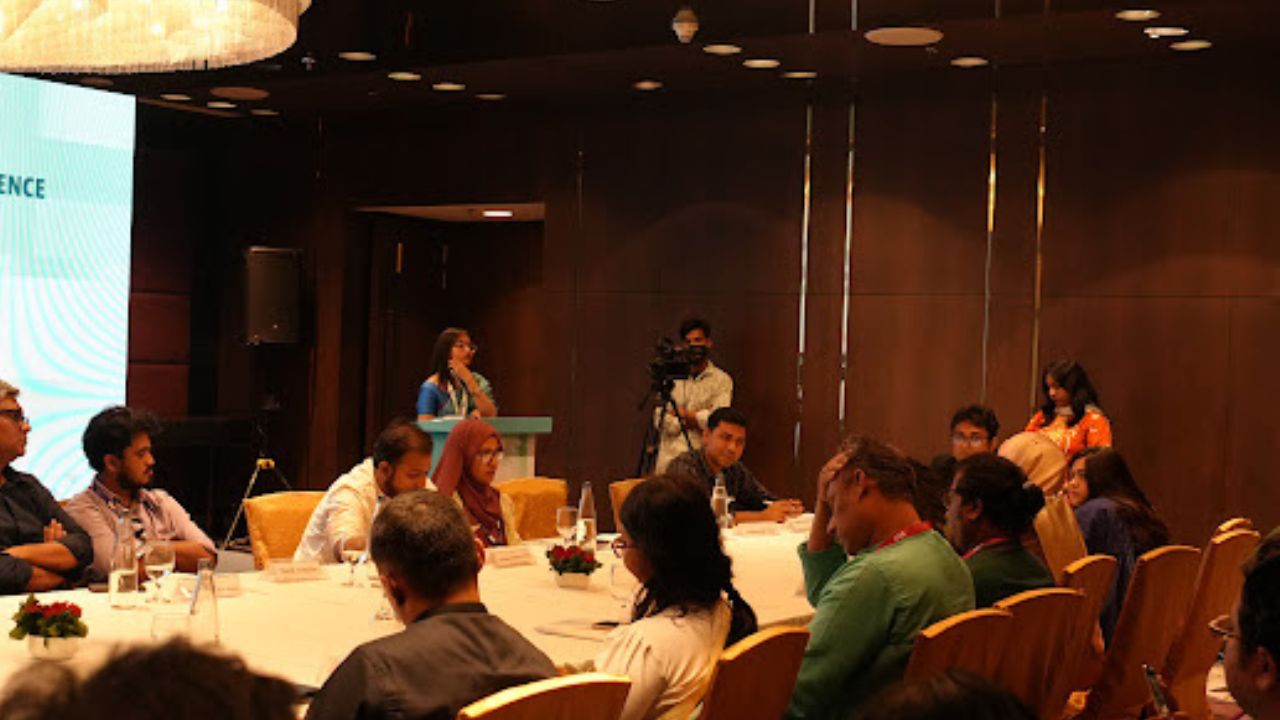
A roundtable discussion titled “Youth Perspectives on Institutional Independence and Civic Rights” was held Thursday, bringing together students, activists, researchers, policymakers, Members of Parliament and civil society representatives.
The event was organised by Sapran–Safeguarding All Lives in collaboration with UNDP Bangladesh and moderated by legal historian Rashed Rahomand.
Opening the session at the Hotel InterContinental Dhaka, Sapran researcher Durdana Chowdhury stressed the need to rebuild public trust in state institutions, arguing that youth participation must move beyond street movements to become part of long‑term institutional reform.
“It is neither desirable nor sustainable for citizens to repeatedly take to the streets,” she said.
Speakers from across the political and civic spectrum underscored the urgency of reform. Rafia Rehnuma Hridy of Jatiya Chhatra Shakti said democratic transformation after the July uprising would take time, while Maliha Namlah, former coordinator of the Anti‑Discrimination Student Movement, called for an independent National Youth Council and civic education.
Nahiduzzaman Shipon of Bangladesh Jatiyatabadi Chhatra Dal highlighted academic freedom and non‑coercive political participation as prerequisites for democratic institutions. SM Saif Kader Rubab of The Bangladesh Dialogue urged permanent platforms for youth‑policy dialogue.
Law student Anika Tahsina argued that reform requires a constitutional framework inclusive of youth, women and marginalized groups.
Human rights activist Mosfiqur Rahman Johan said citizens protest only when institutions fail to deliver justice, stressing accountability and independent investigations.
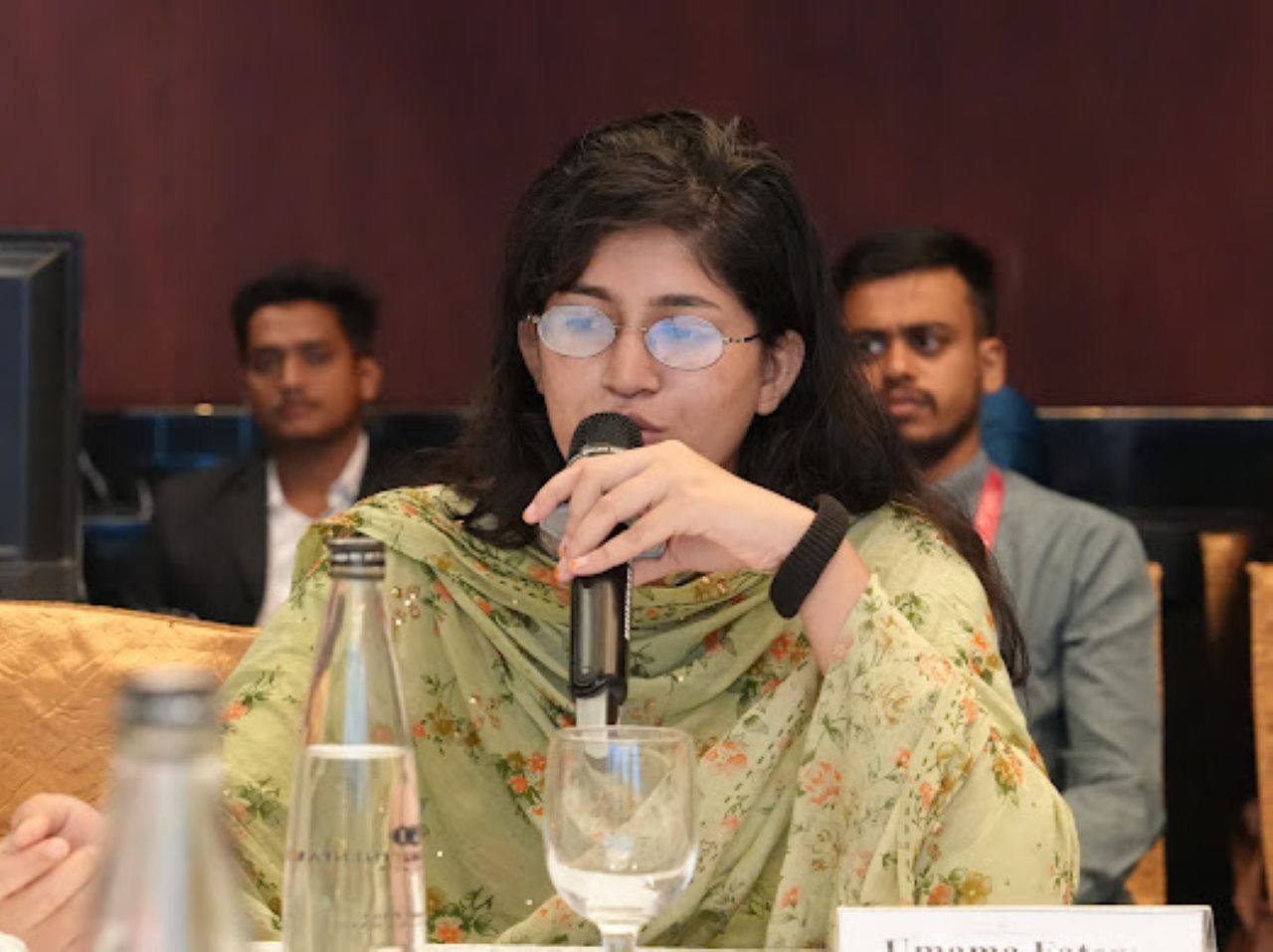
Youth activist Umama Fatema warned that nepotism and corruption within political parties threaten reform. Shoeb Abdullah of Activate Rights criticized repeated internet shutdowns, calling for transparent digital governance.
Miraj Ahmed Chowdhury of Digitally Right urged inclusion of diverse youth voices, while Indigenous representative Rupaiya Srestha Tanchangya demanded equal participation for Indigenous Peoples and marginalized communities.
Member of Parliament Nusrat Tabassum said institutional independence must be measured by how effectively rights and security are protected for all citizens, including women, Dalits and madrasa students. UNDP’s Susan Suha emphasised youth as equal partners in policymaking, not just consultees.
The roundtable concluded with consensus that independent, accountable and inclusive institutions can only be built by institutionalising meaningful youth participation.
Participants agreed that sustained dialogue, structural reform and stronger accountability are essential to protect civic rights and rebuild public trust.


