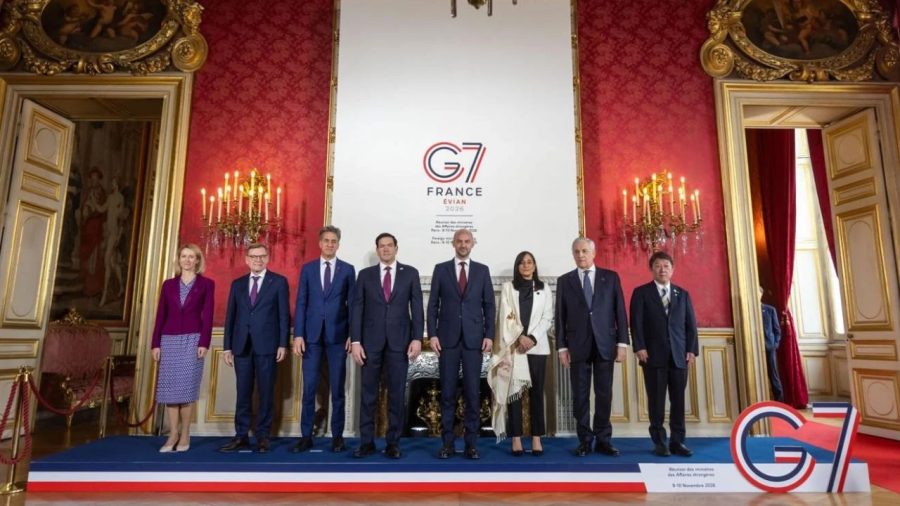



Western unity faces a critical test as G7 foreign ministers gather in Paris, with stalled negotiations between Washington and Tehran, uncertainty over Ukraine’s future and the threat of renewed military escalation dominating the diplomatic agenda.
The two-day meeting brought together foreign ministers from Britain, Canada, France, Germany, Italy, Japan and the United States at a particularly fragile moment for international security.
Widespread street protests across the French capital provide a turbulent backdrop to discussions increasingly shaped by disagreements over US foreign policy, reports Deutsche Welle.
US Secretary of State Marco Rubio has attended summit following Republican losses in the US midterm elections, adding another layer of political uncertainty to Washington’s diplomatic calculations, reports Associated Press.
Europe refuses to be sidelined over Ukraine
European governments are increasingly concerned that President Donald Trump could pursue a Ukraine settlement that favours Moscow while leaving European security interests exposed.
French Foreign Minister Jean-Noël Barrot has made clear that no agreement reshaping Europe’s security architecture can be reached without European participation.

The dispute reflects a broader struggle over Europe’s influence in negotiations traditionally dominated by Washington and Moscow.
With US-mediated talks involving Ukraine and Russia expected in Abu Dhabi, European leaders are seeking guarantees that decisions affecting their continent will not be made without their involvement.
Rubio has indicated progress on post-war security guarantees for Ukraine and the wider European region, although European governments remain cautious about Washington’s intentions.
Iran crisis threatens to reopen a second front
Beyond Ukraine, the breakdown in US-Iran negotiations has emerged as another major concern for Western governments.


European capitals are pressing for a diplomatic solution to prevent renewed American military strikes against Iran, which could trigger a wider regional confrontation.
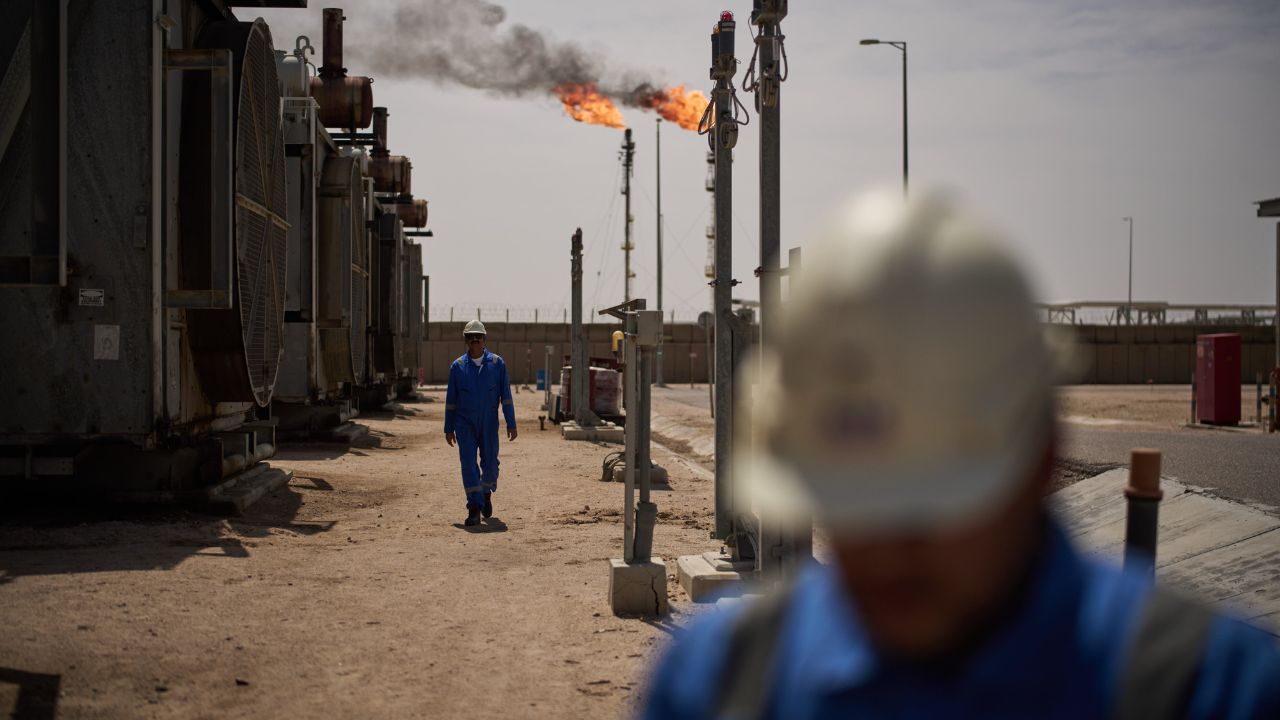
The Strait of Hormuz and the Red Sea remain central to these concerns. Disruptions to maritime navigation through the two strategic corridors have already placed international shipping and energy supplies under pressure.
A renewed confrontation could deepen the disruption, raising transportation and energy costs while further destabilising an already volatile region.
Washington and Tehran remain locked in a stalemate
Diplomatic efforts have stalled over fundamental disagreements on sanctions, frozen Iranian financial assets and war reparations.
Rubio has acknowledged that negotiations are not close to a breakthrough, describing Tehran’s demands as unacceptable to Washington.
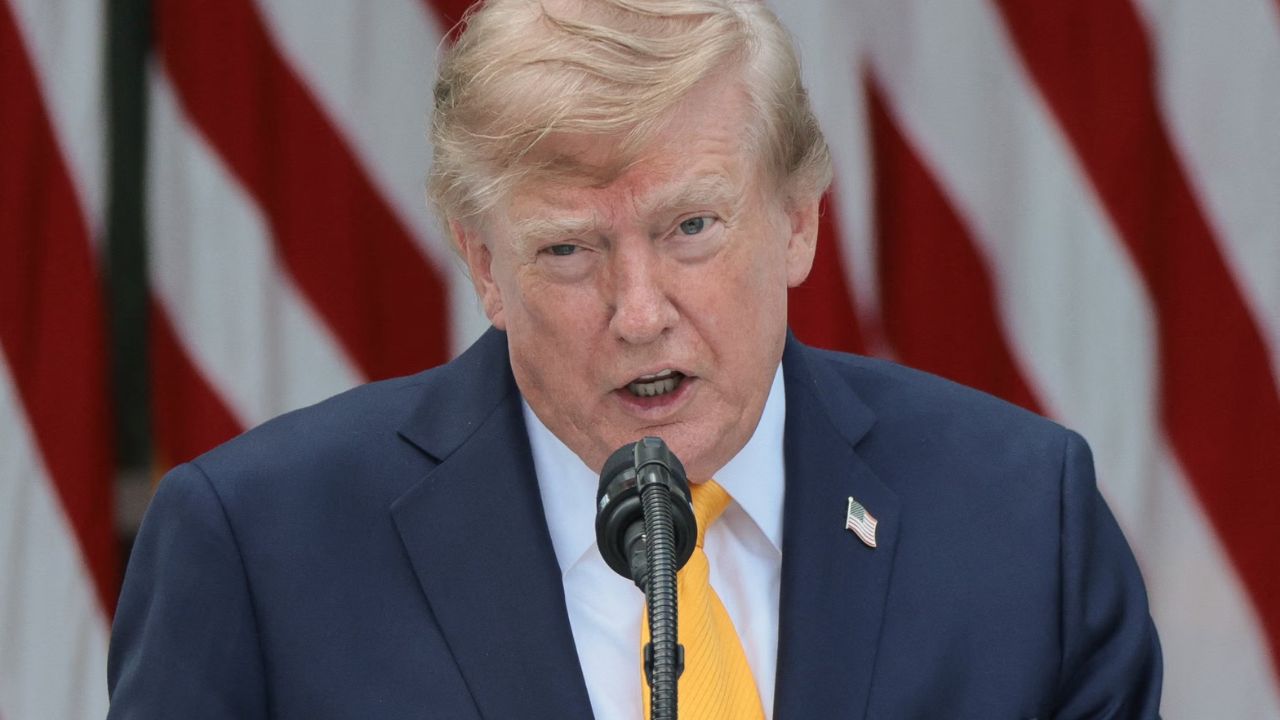
Trump, meanwhile, has dismissed the likelihood of immediate military escalation, portraying Iran as economically weakened and increasingly desperate for an agreement.
Yet his warning that American forces remain locked and loaded has kept the prospect of further strikes alive.
Tehran has rejected Washington’s assessment of its economic position and maintained restrictions on the Strait of Hormuz.

Regional tensions have also continued, with Yemen’s Houthis involved in attacks on high-profile targets in Saudi Arabia.
Qatar searches for a way out
With direct negotiations stalled, Qatar has emerged as a key intermediary attempting to prevent a complete diplomatic breakdown.
Qatar’s prime minister has maintained that communication between Washington and Tehran continues, rejecting suggestions that negotiations have collapsed.
Tehran has reportedly submitted a proposal concerning its nuclear programme to American officials through Qatari intermediaries.
Regional mediators are also pursuing an interim arrangement to stabilise maritime navigation while wider disagreements over Iran’s nuclear facilities, including the Pickaxe Mountain site, remain unresolved.
The Paris summit now faces a difficult diplomatic balancing act: maintaining Western unity over Ukraine while preventing the Iran crisis from escalating into another major regional war.
Whether the G7 can develop a common position remains uncertain.