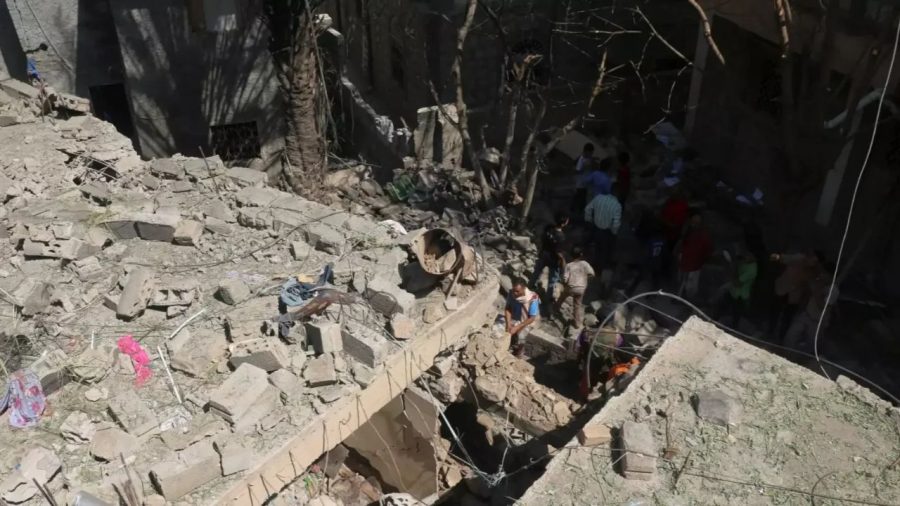



At least 44 people, mostly women and children, have been killed in airstrikes near Yemen’s capital, Sanaa, as fighting between Iran-backed Houthi rebels and Saudi Arabia intensifies alongside diplomatic tensions between Washington and Tehran.
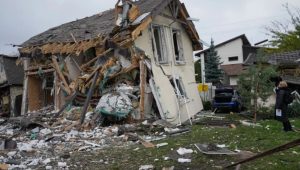
The death toll from Saturday’s strikes on homes in the village of al-Shariya, east of Sanaa, rose to 44 late Sunday, according to Houthi-run health authorities.
Another 40 people were wounded, including eight children and nine women, reports Associated Press.
The authorities said 21 children and 10 women were among those killed, while rescue teams continued searching for missing residents, raising fears that the toll could increase.
Houthi officials blamed Saudi Arabia for the strikes, which mark a further escalation in Yemen’s year-long civil war.

The widening conflict has killed hundreds of people in Yemen and dozens in Saudi Arabia.
Separately, Iran on Monday rejected US Secretary of State Marco Rubio’s description of Tehran’s demands for ending the war as “outrageous and ridiculous”, further exposing the gap between the two sides despite ongoing diplomatic efforts.
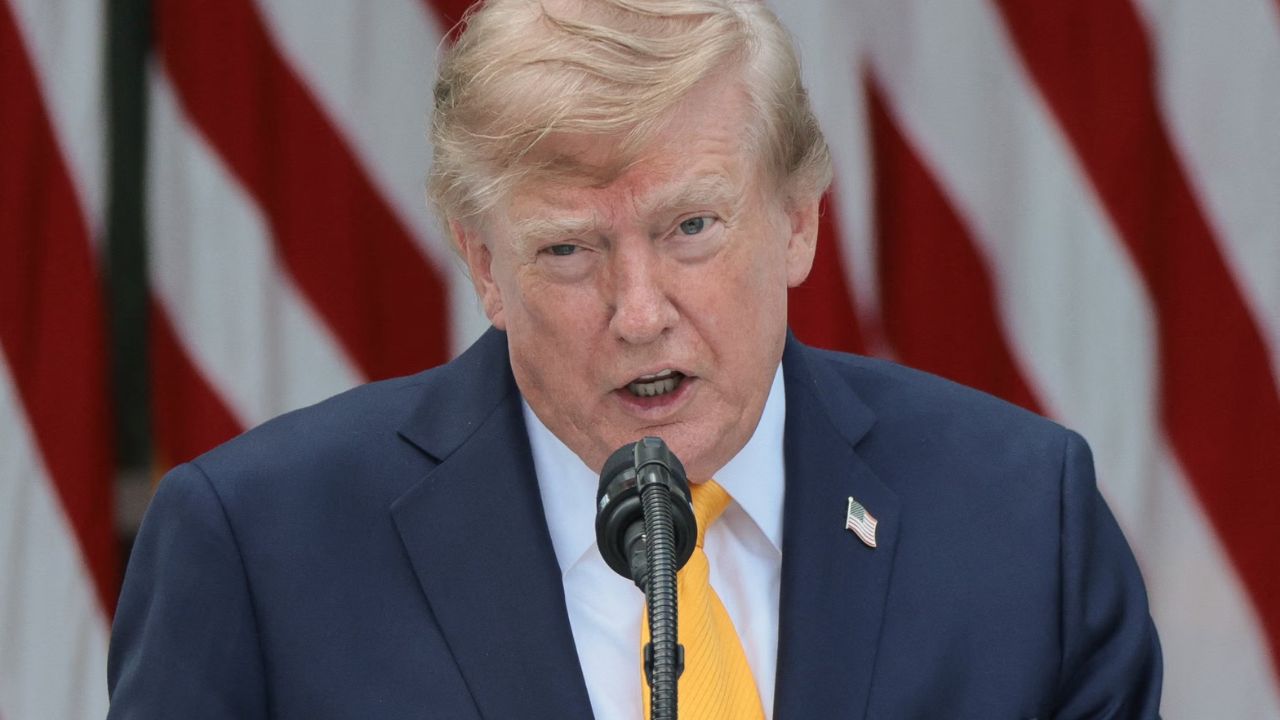
Rubio made the remarks on Sunday, saying President Donald Trump preferred a diplomatic solution but that negotiations had made limited progress because Iran’s conditions were unacceptable and, in some cases, unrealistic.

Iranian Foreign Ministry spokesman Esmail Baghaei countered that US military strikes during previous negotiations in June 2025 and February 2026 were themselves “illogical and ridiculous”.
He described the conflict as a criminal act and maintained that Tehran’s demands were reasonable.
Iran’s conditions include an end to the US naval blockade of its ports, the lifting of sanctions, the release of frozen Iranian assets, compensation for war damage and an end to hostilities across the region, including Israeli operations in Lebanon.
Baghaei also said Tehran’s proposal to end hostilities through sanctions relief and the reopening of the strategic Strait of Hormuz remained on the table.
Last week, Iran said it had shortened the implementation timetable for its seven-step proposal to reopen the strait and resume nuclear negotiations with Washington from seven days to two.
Despite the differences, Trump signalled on Sunday that renewed US military strikes could be avoided if negotiations produced progress and a strong agreement.
In a telephone interview with CNN, he said further attacks were highly unlikely to be necessary if both sides continued making progress towards a deal.

However, he indicated that Washington had identified potential infrastructure targets, including 38 bridges that could be destroyed within an hour if military operations resumed.
Meanwhile, Qatar continued its mediation efforts between Washington and Tehran.
Trump was scheduled to meet Qatari Prime Minister Sheikh Mohammed bin Abdulrahman Al Thani at the White House on Monday.
Qatar has played a central role in efforts to secure an agreement to end the US-Iran war.
The latest developments underscore the growing regional dimensions of the conflict, with fighting in Yemen, tensions over the Strait of Hormuz and stalled negotiations between Washington and Tehran increasingly interconnected.