


Russia and Ukraine have intensified their long-range attacks on each other ahead of fresh US-brokered peace negotiations, underscoring the obstacles facing efforts to end a war approaching its fifth year.
Russia struck four electrical substations across Ukraine on Monday, while Ukrainian long-range drones set fire to one of Russia’s largest oil refineries, according to officials from both countries, reports Associated Press.
The attacks came hours before Russian and Ukrainian delegations were due to prepare for two days of negotiations in Abu Dhabi, beginning Tuesday, with the United States mediating.
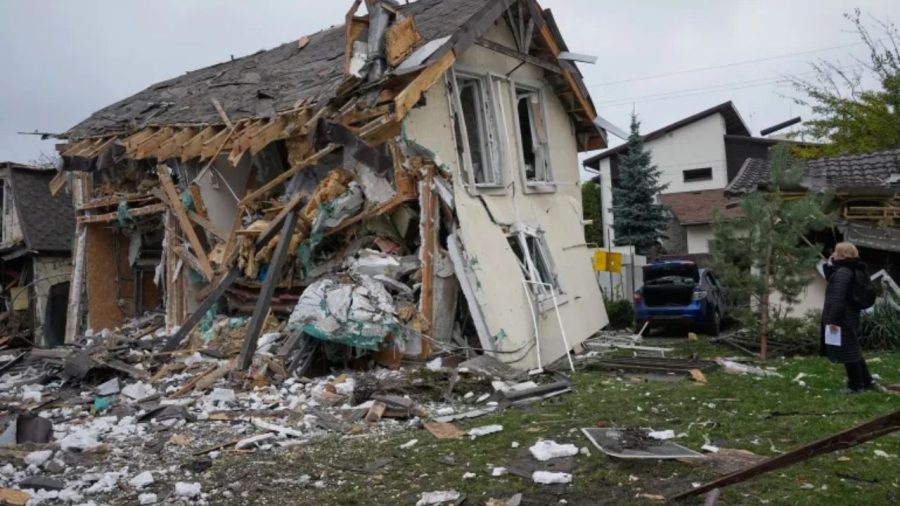
Ukraine’s Air Force said Russia launched 317 drones overnight, including 105 jet-powered drones. Russia’s Defence Ministry said its forces targeted electrical substations in the Kyiv, Dnipropetrovsk, Cherkasy and Vinnytsia regions.
The attacks form part of Moscow’s continuing campaign against Ukraine’s energy infrastructure as winter approaches, threatening civilian access to electricity, heating and running water.

Ukrainian President Volodymyr Zelenskyy said the European Union had agreed to activate a special emergency mechanism to accelerate funding for repairs to the country’s power grid.
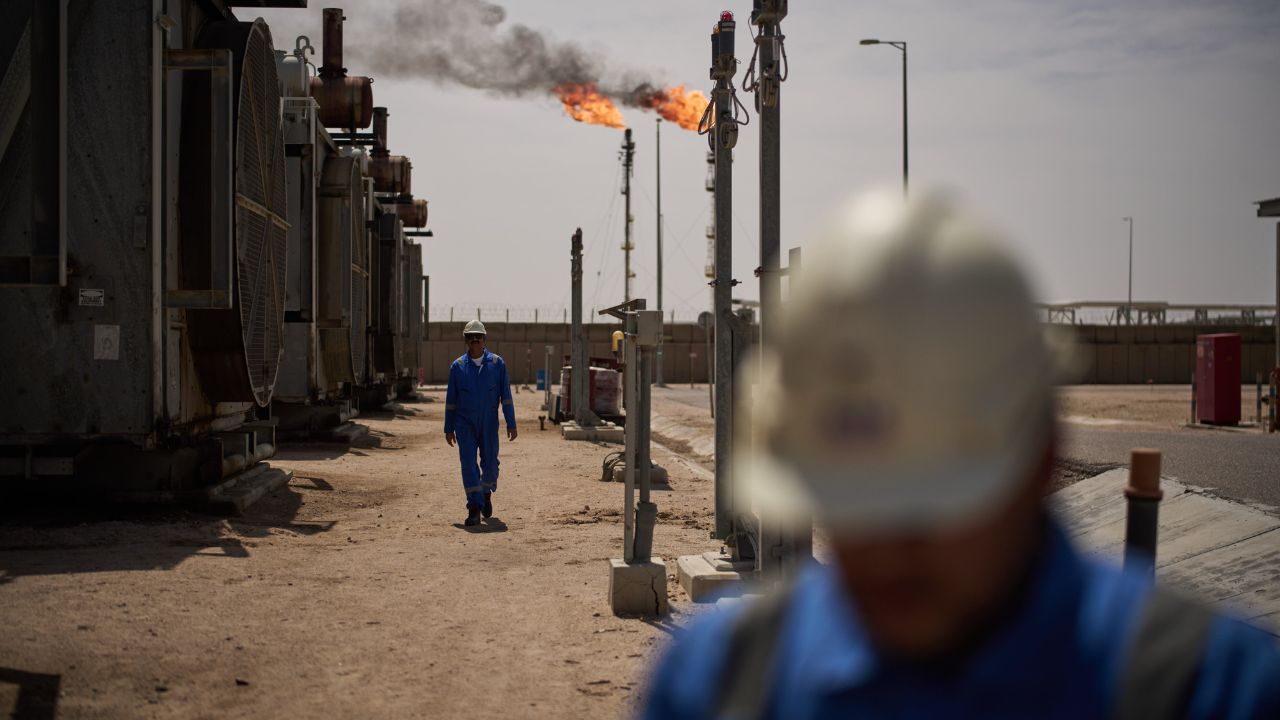
In retaliation, Ukrainian drones struck the KINEF oil refinery near St Petersburg, triggering a fire, Leningrad regional Governor Alexander Drozdenko said.
The facility is more than 1,200 kilometres from Ukraine’s border and is among Russia’s largest oil refineries.
Kyiv claimed in early October that its long-range strikes had neutralised more than half of Russia’s oil-refining capacity, affecting Moscow’s ability to supply its military.



Trump predicts breakthrough, but demands remain far apart
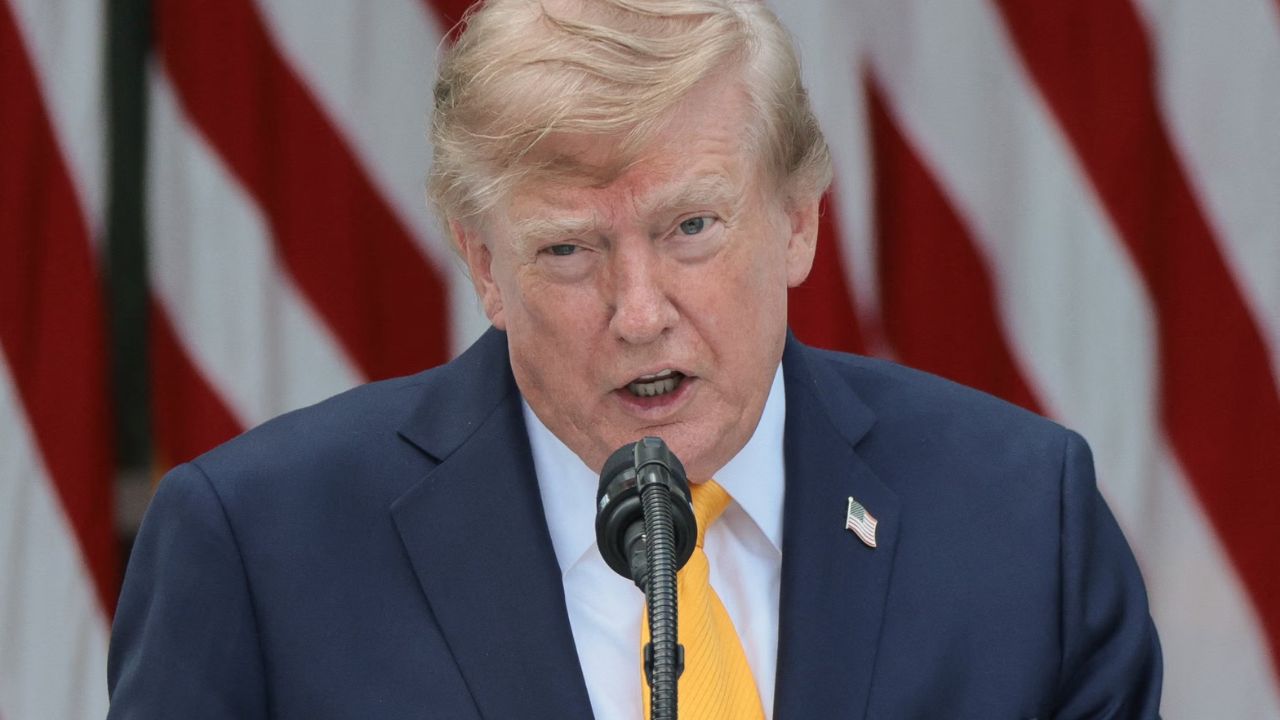
US President Donald Trump said Russia and Ukraine were “very close” to reaching an agreement, despite what he described as the deep hostility between Russian President Vladimir Putin and Zelenskyy.
In an interview broadcast on Sunday, Trump suggested that Ukraine could emerge from a settlement in “a little bit different shape”, without explaining what territorial or political changes he envisaged.
However, previous claims by Trump about imminent progress in ending the war have not materialised.
The Abu Dhabi negotiations are expected to focus on security guarantees for both countries.
Moscow views NATO’s presence and expansion as a security threat, while Kyiv wants firm guarantees to prevent another Russian invasion.
The two sides remain divided over territorial concessions, Ukraine’s future military capabilities and its relationship with NATO.

European role emerges as another point of tension
Russia has opposed European participation in the trilateral negotiations, seeking to keep discussions focused on Moscow, Kyiv and Washington.
French Foreign Minister Jean-Noël Barrot, however, said France and other European representatives would be present in the United Arab Emirates.
Kremlin spokesperson Dmitry Peskov maintained that the Abu Dhabi meeting would be a trilateral negotiation mediated by Washington, although he acknowledged that the United States and Ukraine maintained separate communication channels with European governments.
The diplomatic effort also comes amid changing political and economic pressures.
Democrats are set to take control of Congress in January following the US midterm elections, potentially increasing pressure on the Trump administration to maintain support for Ukraine.
Meanwhile, Russia’s public finances remain under strain from the prolonged war, while repeated attacks continue to damage Ukraine’s economy.