






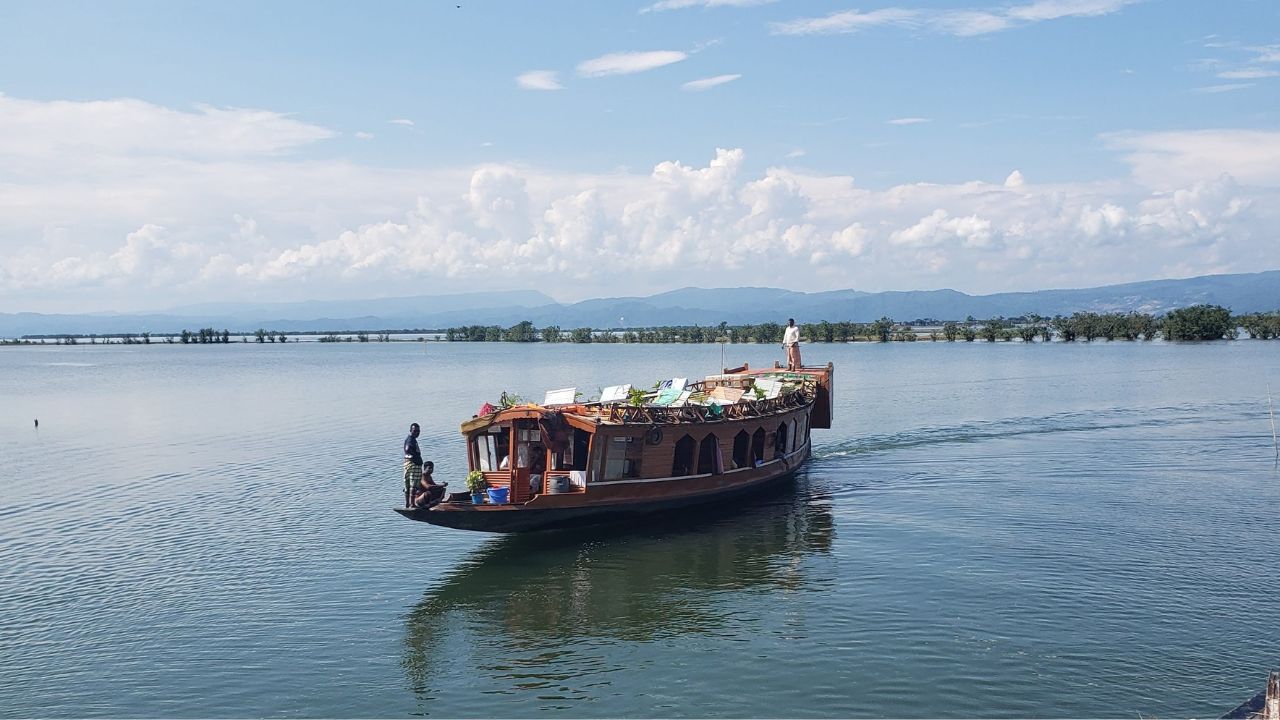
Tanguar Haor, one of Bangladesh’s most treasured wetlands, is facing mounting environmental threats as tourism activities continue with little regard for conservation regulations.
Located in Tahirpur Upazila of Sunamganj, the ecologically critical wetland was designated an Ecologically Critical Area (ECA) and internationally recognised as a Ramsar site in 2000.
Yet, visitors and tourism operators are routinely violating environmental guidelines, raising concerns about the future of this fragile ecosystem.

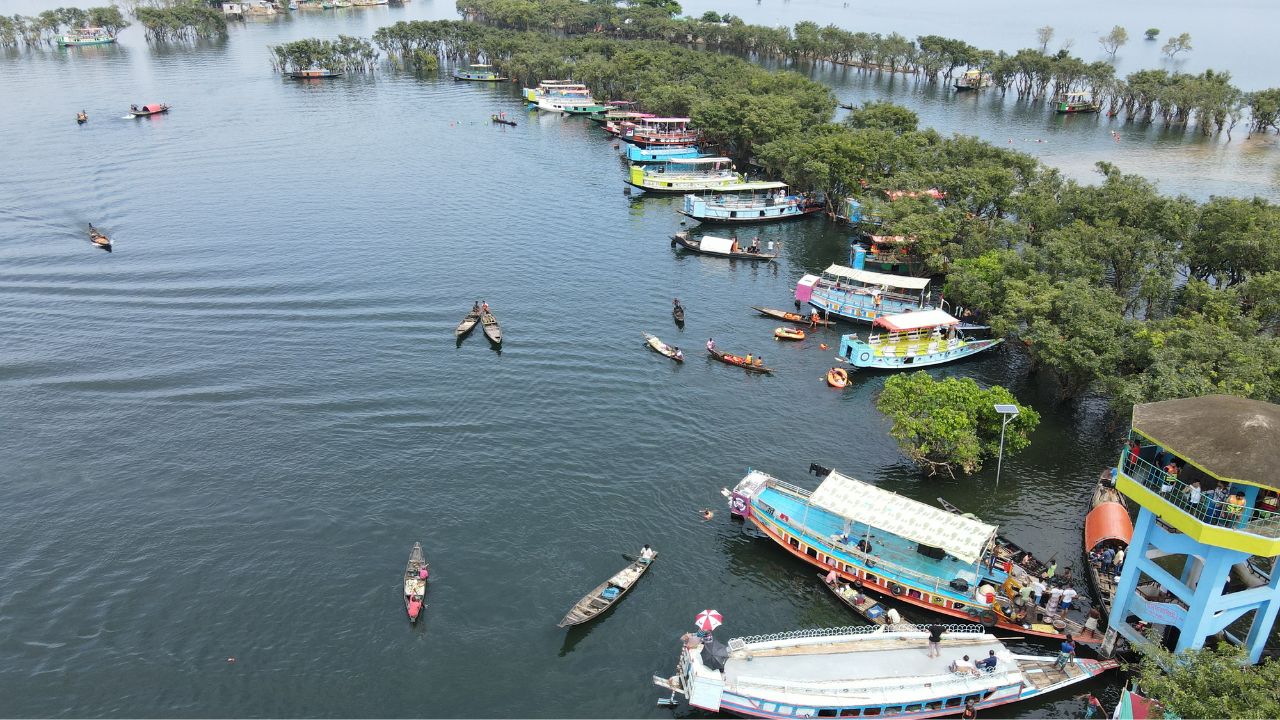
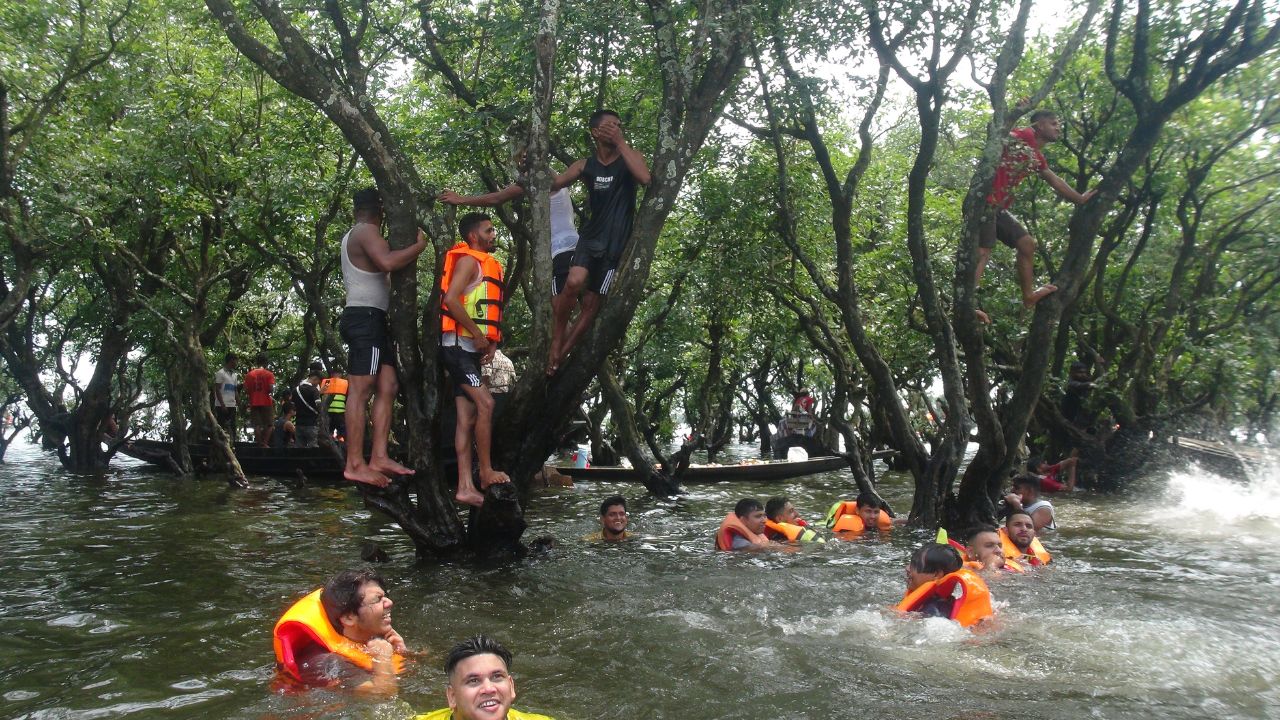
During a recent visit, hundreds of tourists were seen climbing trees within protected areas, while engine-powered boats and luxury houseboats moved freely across the haor.
Fuel leaks from diesel and kerosene engines, loud music from sound systems, and plastic waste discarded into the water are increasingly damaging the environment.
Many visitors appear unaware of the rules. “We didn’t know climbing the trees was prohibited,” said tourist Nirob Ahmed from Dhaka. “There are no warning signs, and no one is here to stop us.”
Local residents allege that enforcement remains weak despite the presence of a 20-member Ansar force assigned to protect the haor. Some residents claim that trees are being cut at night and that monitoring efforts are largely ineffective.
The rapid expansion of tourism has intensified pressure on the wetland. More than 400 houseboats now reportedly operate in the area.
Although a 2022 houseboat policy outlined ten environmental directives, locals say many operators ignore them. Boats frequently anchor near trees and sensitive habitats, contributing to ecological degradation.
Environmentalists warn that excessive tourist numbers, noise pollution, plastic waste, and human waste are threatening fish sanctuaries and bird habitats.
The carrying capacity of the wetland is rarely considered, with commercial interests often taking precedence over conservation.
“People are destroying the haor without realising the consequences,” said Nasrum, a resident of Tahirpur. “If authorities act now, it can still be saved.”

Obaidul Haque Milon, General Secretary of the Haor and River Protection Movement, blamed administrative negligence for the worsening situation. “The damage being done to Tanguar Haor may soon become irreversible,” he warned.
Sunamganj Deputy Commissioner Mohammad Minhajur Rahman acknowledged the concerns and said, “Authorities are working to bring houseboats under a registration system and mobile courts are being conducted regularly to address violations.”
For now, Tanguar Haor continues to draw thousands of visitors with its vast water, rare biodiversity, and breathtaking landscapes.
The future of this internationally recognised wetland may ultimately depend on whether authorities, tourism operators, and visitors choose preservation over short-term profit. If meaningful action is delayed, Bangladesh risks losing one of its most valuable natural treasures.


