






The 2026 FIFA World Cup kicks off on June 11, and if you are watching from Dhaka, you have already done the maths. Kick-off times land at various points throughout the night. The group stage alone runs for two and a half weeks. This is not a schedule problem. It is a sleep deprivation programme with a vuvuzela soundtrack.
Staying up late, done badly, is just suffering with a screen. The difference between managing it and not managing it is mostly about light, food, and how honest you are about your obligations the following morning. Dr Abu Bakar Akan, Associate Professor at Bangladesh Medical University, has seen what a tournament schedule does to people who are unprepared for it.

“In general, it is a bad idea to stay up late at night,” he said. “Your body is not designed to stay up all night. It needs to replenish the energy it spent throughout the day.”

But the World Cup in the Americas doesn’t care about that. It’ll happen throughout the night, and you’ll stay up to see your favourite team play on the world’s biggest stage. So here is how you can stay up late in a healthy way.
Start with light. In the hours before a late match, dimming screens or switching to a warm-tone filter does not make you fall asleep before kick-off. It means that when you eventually do sleep, the sleep is worth something. Most people ignore this and feel inexplicably terrible at 9:00 am after six hours of unconsciousness and cannot explain why.
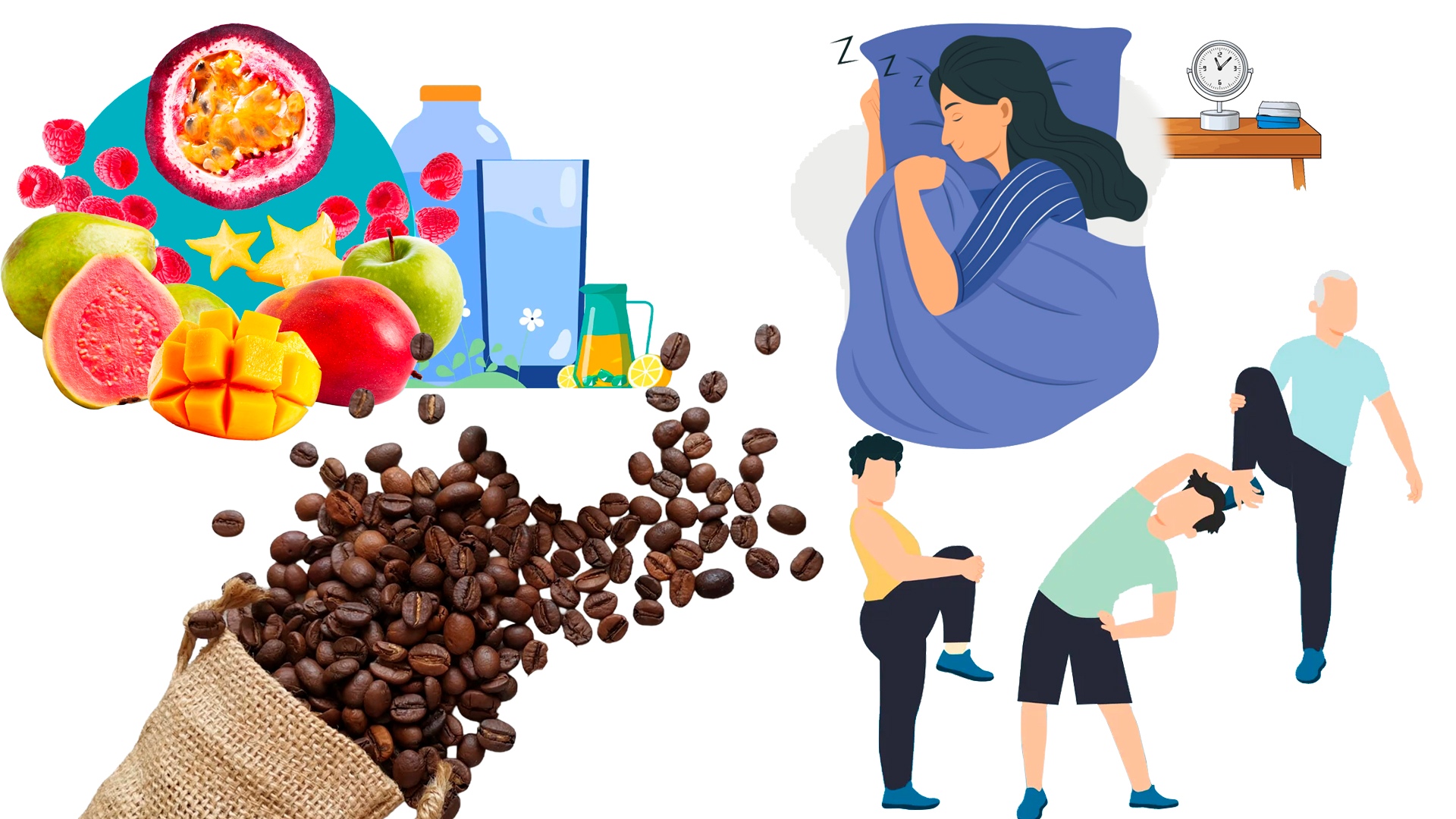
Food is where the most avoidable errors happen. “A meal after midnight is a direct instruction to your digestive system to stay active during the hours you need for recovery,” Dr Akan said. “Small, light snacks before and during the match is better. During this summer, fruits are a very good option as they are a good source of vitamins and hydration.”
Caffeine is serviceable through the early evening and actively counterproductive after midnight for most people. Reaching for tea at 2:00 am to get through extra time is borrowing against tomorrow.
Naps, used correctly, are probably the single most effective tool available. “Twenty to thirty minutes in the afternoon before a late match reduces what we call sleep pressure without producing the grogginess of something longer later in the day,” he explained.
Hydration is less interesting to discuss than it is important to practice. “Drinking plenty of water is non-negotiable,” said Dr Akan. “You should drink enough to keep yourself well hydrated throughout the night.”
Watching three matches a week while being dehydrated is a reliable way to arrive at the quarterfinals feeling mildly unwell for no reason you can identify. Water before bed is not glamorous. However, in this case it is a must.
The more honest conversation is about selection. Not every match is worth the same sacrifice. Argentina versus France is worth a bad Friday. Tunisia versus New Zealand in the group stage, with respect, probably is not. “If you don’t want to run the risk of altering your sleep schedule permanently, then it is wise to choose and pick your matches,” Dr Akan said. “Staying awake every night throughout the tournament is not a good idea and has long-term effects on your sleep health.”
Exercise is another key factor. Light exercises, like walking during breaks, can help deter sleep and make your body feel better throughout the night. Dr Akan echoes the statement, “Walking within your room or doing some other light exercise is a good way to keep yourself from falling asleep.”
Sunlight in the morning, even after a bad night, helps reset the circadian rhythm faster than anything available in a pharmacy. Ten minutes outside before the working day starts does more than a second coffee. “Light is the most powerful signal your body receives about what time it is,” he said. “People often misunderstand the importance of light. Good morning light and air make the body feel refreshed.”
Sleep debt accumulates across weeks. It does not resolve over a single long weekend, no matter how much you sleep in on Friday. The fans who make it to the final are almost always the ones who treated the tournament as something to pace through. Messi does not know you exist. Your Sunday morning meeting still starts at nine.


