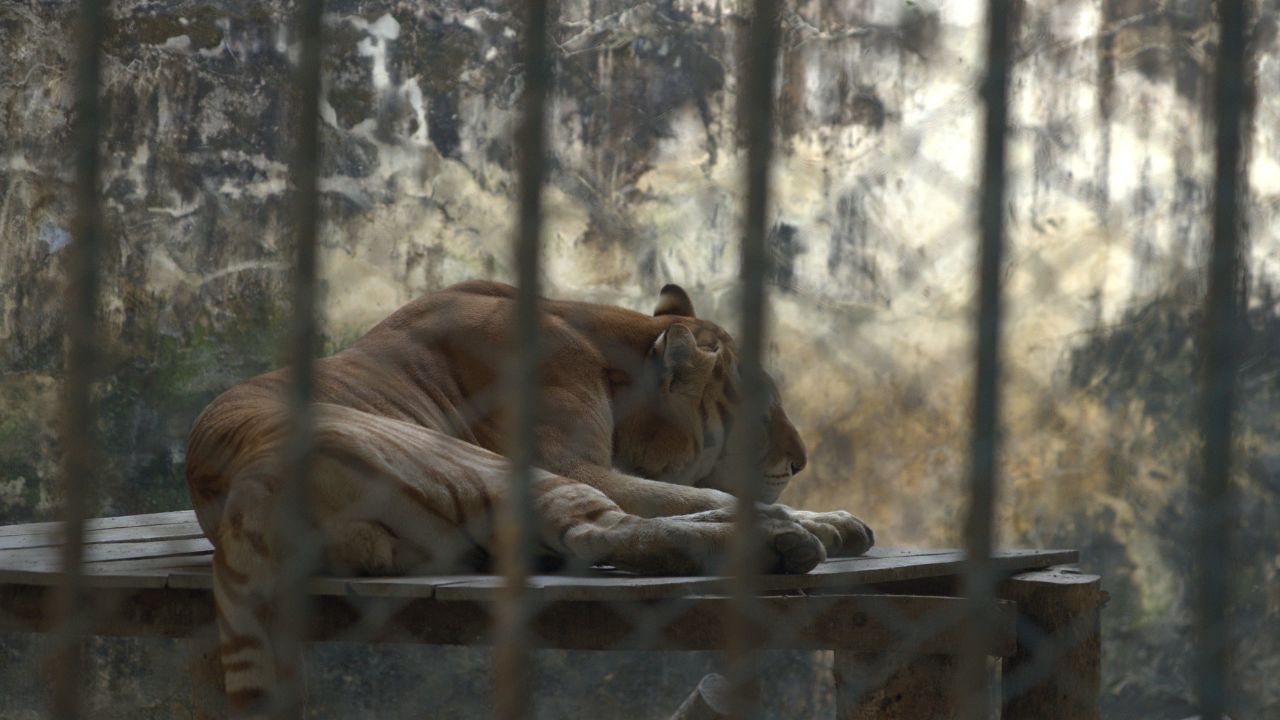

The Bangladesh National Zoo in Mirpur spans 186 acres. But inside those acres, there is very little room for the animals themselves. The space feels big only on paper. For the animals, life shrinks into concrete boxes, rusty cages and stagnant water. This is no sanctuary. This is captivity in its harshest form.
Every animal has a natural home shaped by thousands of years of evolution. Forests, grasslands, rivers, swamps, deserts and open skies. A complex ecosystem. But the zoo in Mirpur fails to reflect any of that. It is designed for visitors, not for the animals who live there.
The aviary is the clearest example. A huge number of birds are packed into an enclosure far too small for comfort. There is hardly any flight area. Birds hop from perch to perch, never able to spread their wings and soar. They live in a world where the sky is a metal net.
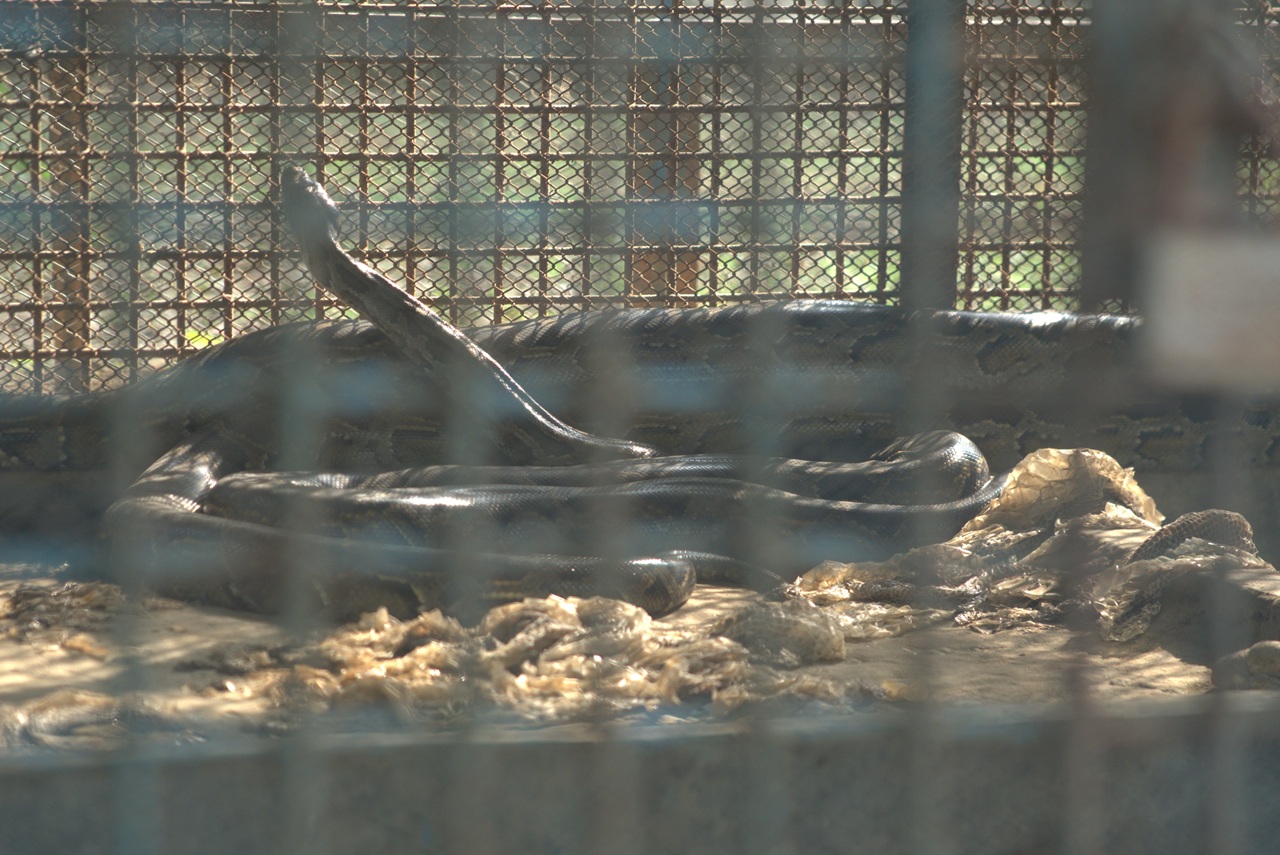
The reptile section tells an even darker story. Pythons sleep in the same corner where they shed their skin. The floors are dirty. Scales, faeces and old food pile up. Snakes rot slowly in these suffocating spaces. They appear sluggish, unhealthy and lifeless. These creatures are robbed of instinct and energy.

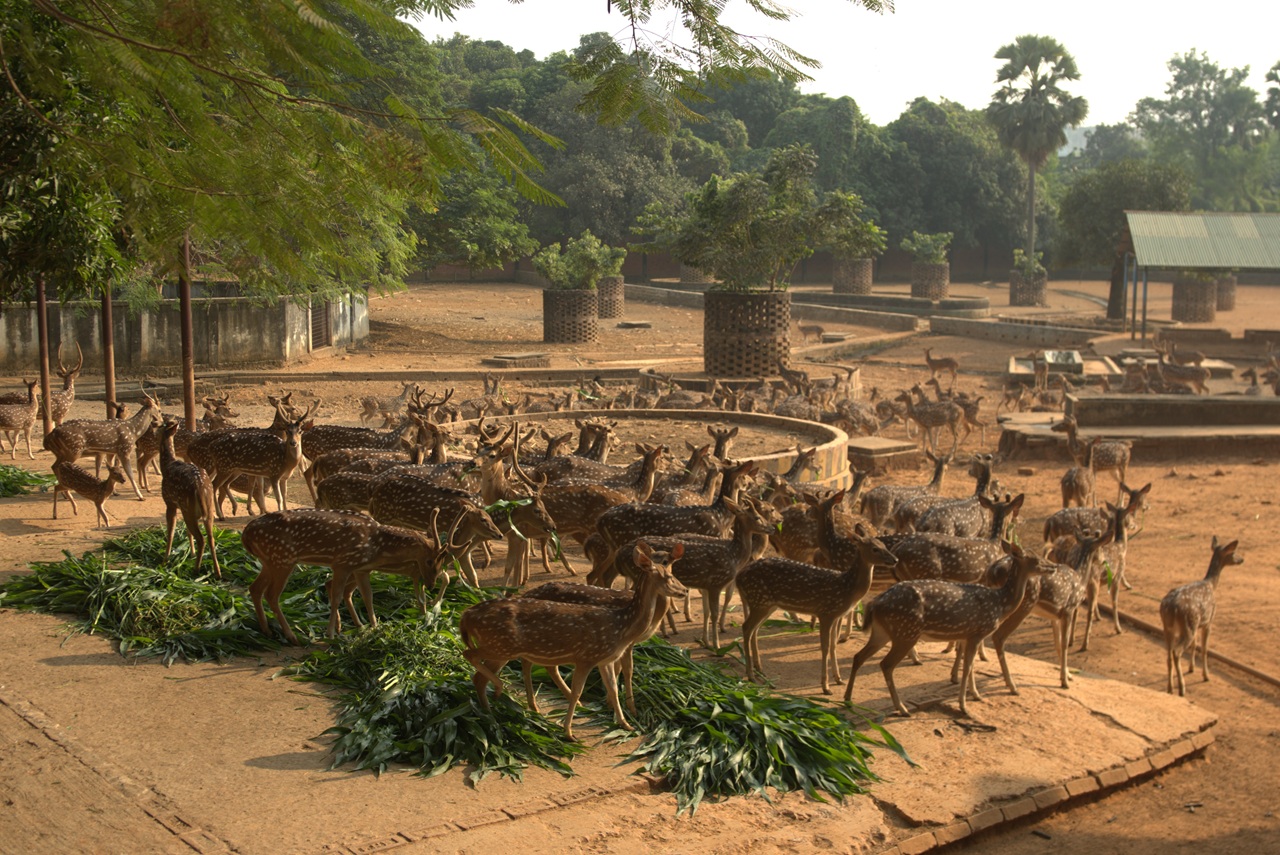
Herbivores at the zoo face another silent form of neglect. They are all fed the same kind of grass, regardless of species. This may look normal to a visitor, but it is a serious mistake. Different herbivores have different dietary needs. Deer prefer tender grasses. Elephants need a mix of leafy branches, bark and fruits. Rhinos thrive on fibrous plants and a carefully balanced diet.

Even among antelope species, some graze, some browse and some need a blend of both. But at Mirpur Zoo, this diversity is ignored. Animals are handed the same pile of grass day after day, leaving many undernourished and frustrated, their natural feeding habits reduced to a single, poorly matched option.




Nearby, hippos float in insect-infested water. The smell hangs heavy in the air. Their giant bodies move slowly, as if weighed down by fatigue.
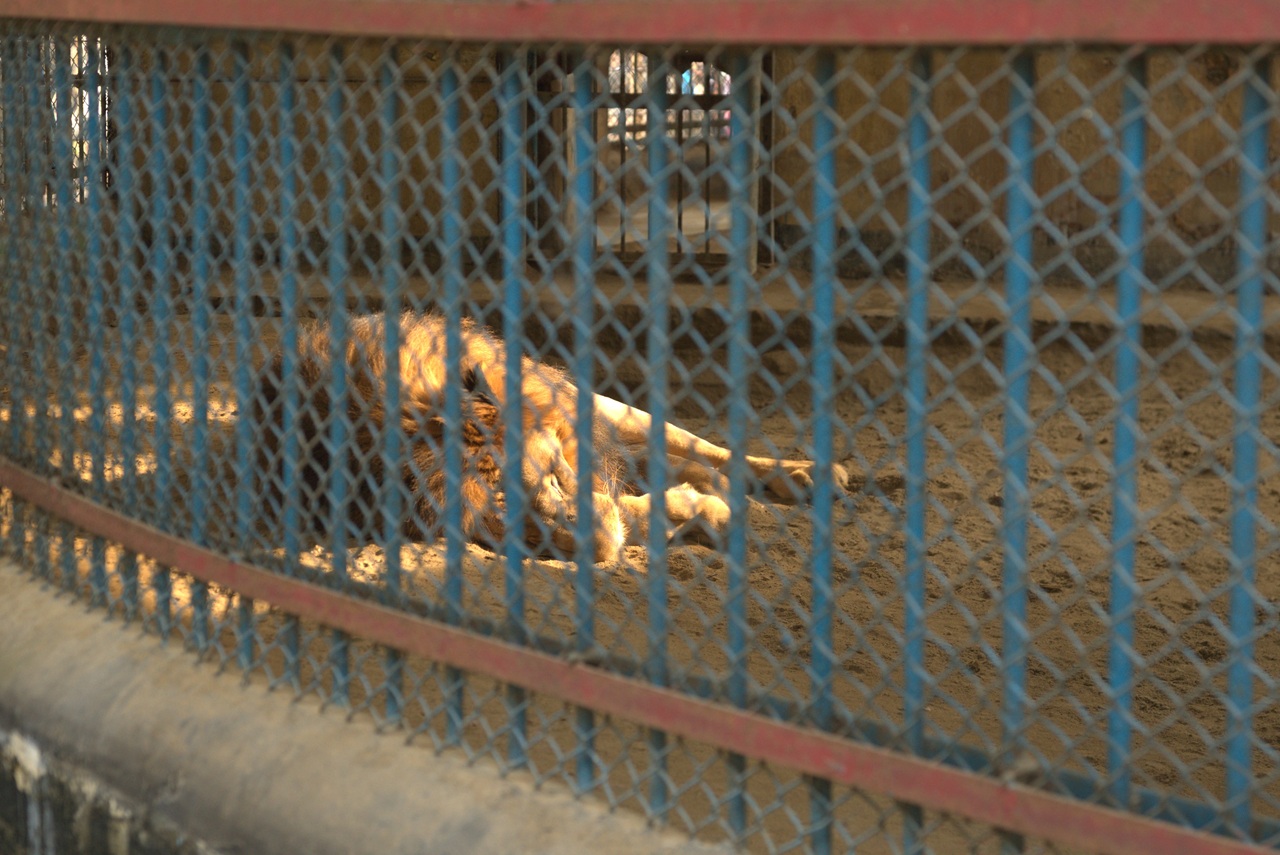
Tigers and lions walk the same circles every day, confined in cages far too small for predators meant to rule vast landscapes. Their eyes look dim. Their bodies have grown stiff and there is no space to run, no prey to chase, no reason to feel alive. With their instincts fading, they lose their appetite and sink into quiet malnutrition.
Stress and depression are common here. Animals often fall sick and many die before they should. Some live without partners for years, which is deeply damaging for social species. A zoo meant to protect wildlife ends up harming them instead.
Visitors add to the trouble without realising it. People throw food at monkeys and other animals. Most of it is unhealthy. It disrupts their diet and makes them sick. There is little monitoring, awareness and very little compassion.
Summer is the cruellest season. The scorching heat drains every creature. Many enclosures lack proper shade, greenery, or fresh water. In the wild, animals would move to cooler places. Here, they sit helpless beneath the burning sun.
This is not how a modern zoo works. Around the world, zoos are changing. The best one’s blend humans and animals into shared, naturalistic landscapes. They prioritise animal welfare. They create habitats where animals can roam freely, behave naturally and live with dignity. Visitors walk through environments that feel closer to nature, not like prison corridors.
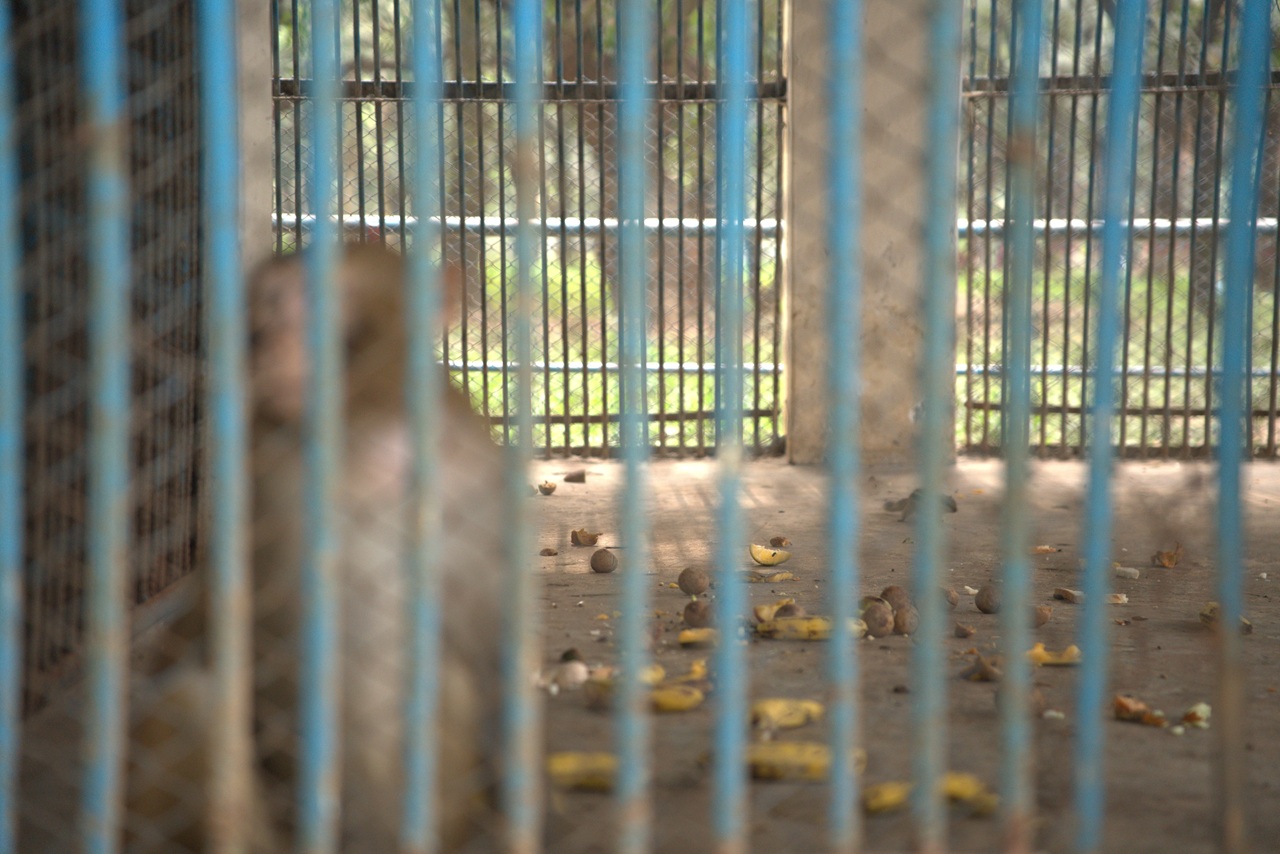
Mirpur National Zoo could become such a place. It has the land but what it lacks is vision.
The authorities must take this seriously. They must rethink how the space is used. They must redesign, rebuild and restore dignity to these creatures. Ending this cycle of caged suffering is not just a responsibility; it is an urgent moral duty. Because a zoo should never feel like a prison and animals should not have to spend their lives waiting for mercy.