The idea of retirement used to be simple. Work for 35 or 40 years. Then stop. But a growing number of young workers are refusing to wait that long.
They are taking months off in the middle of their careers. Travelling. Resting. Reconnecting with themselves. Then returning to work, refreshed. This trend has a name now: micro-retirement. This trend is spreading fast.
A 2024 survey by LinkedIn found that nearly 1 in 5 millennials had taken a career break of three months or longer. Not to look for a new job. Simply to pause. Among Gen Z workers, the number is even higher.

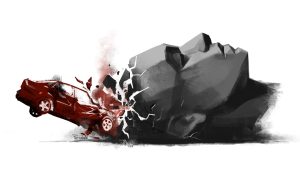
The reasons are not hard to understand. The World Health Organization estimates that burnout affects over 300 million workers worldwide. Young people, many of whom entered the workforce during the pandemic, feel it harder. Long hours, rising costs and uncertain job markets have left many exhausted in their twenties and thirties.
“Why wait until 65 to live?” is a question more young professionals are asking openly.




Micro-retirement is not quitting. It is a planned pause, usually between three and twelve months. Some people travel. Others care for family, pursue a creative project or simply sleep and heal. The key difference from a traditional gap year is intention. People plan their finances in advance and return to work with a clear goal.
It is not only possible, but many also find it beneficial. Studies show that employees returning from extended breaks often perform better. They bring sharper focus and stronger motivation.
But is not for everyone. It requires savings. It requires planning. In countries like Bangladesh, where job security can be fragile, the idea feels out of reach for many. But among urban professionals, especially in tech, media and finance, quiet conversations about “taking a break” are becoming more common.
Younger workers are beginning to see the traditional career ladder differently. Perhaps the climb matters less than the journey itself. Sometimes the bravest career move is simply to stop, just for a little while.