


Even as the country recorded its lowest Secondary School Certificate (SSC) pass rate in nearly two decades, many leading schools continued to post strong results, exposing a stark divide in the quality of education across institutions.
Educationists say the contrast shows that while thousands of schools have been established nationwide, many have failed to reach adequate teaching standards.
Only 62 per cent of examinees passed nationwide this year, compared with 71 per cent under the Dhaka Board. While the national pass rate fell by an average of 6 percentage points, it rose by 4 points under the Dhaka Board. In Dhaka district alone, the rate was close to 80 per cent.
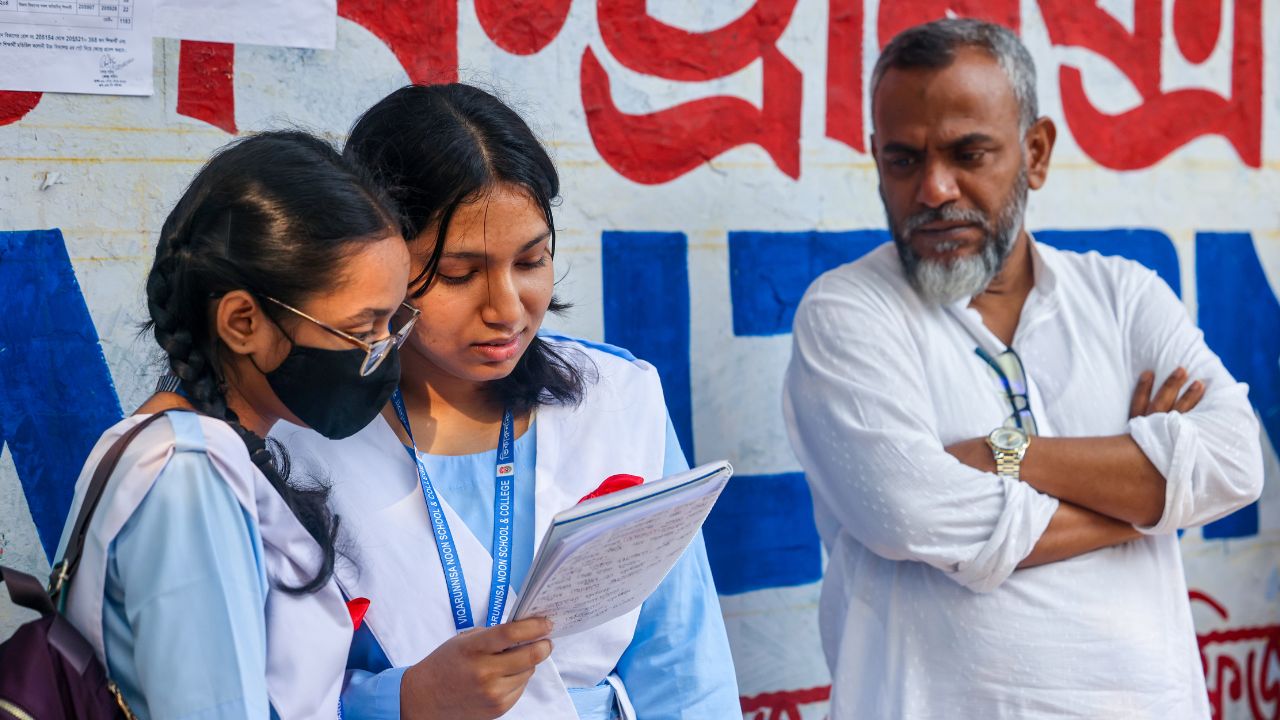
Teachers and educationists attribute the gap largely to stronger institutions in Dhaka and other major cities. Pass rates in most divisional cities were also higher than in surrounding districts.
A chronic shortage of subject-specific teachers is emerging as one of the key weaknesses outside better-performing institutions. Government secondary schools alone face a teacher shortage of at least 25 per cent, while the problem is even more acute in private institutions and rural areas.
Dhaka Education Board Chairman Syed Aktaruzzaman blamed weak performance in English and mathematics for the poor overall results. Education Minister ANM Ehsanul Hoque Milan said failure rates under the Mymensingh Board were high in Bangla as well as English.
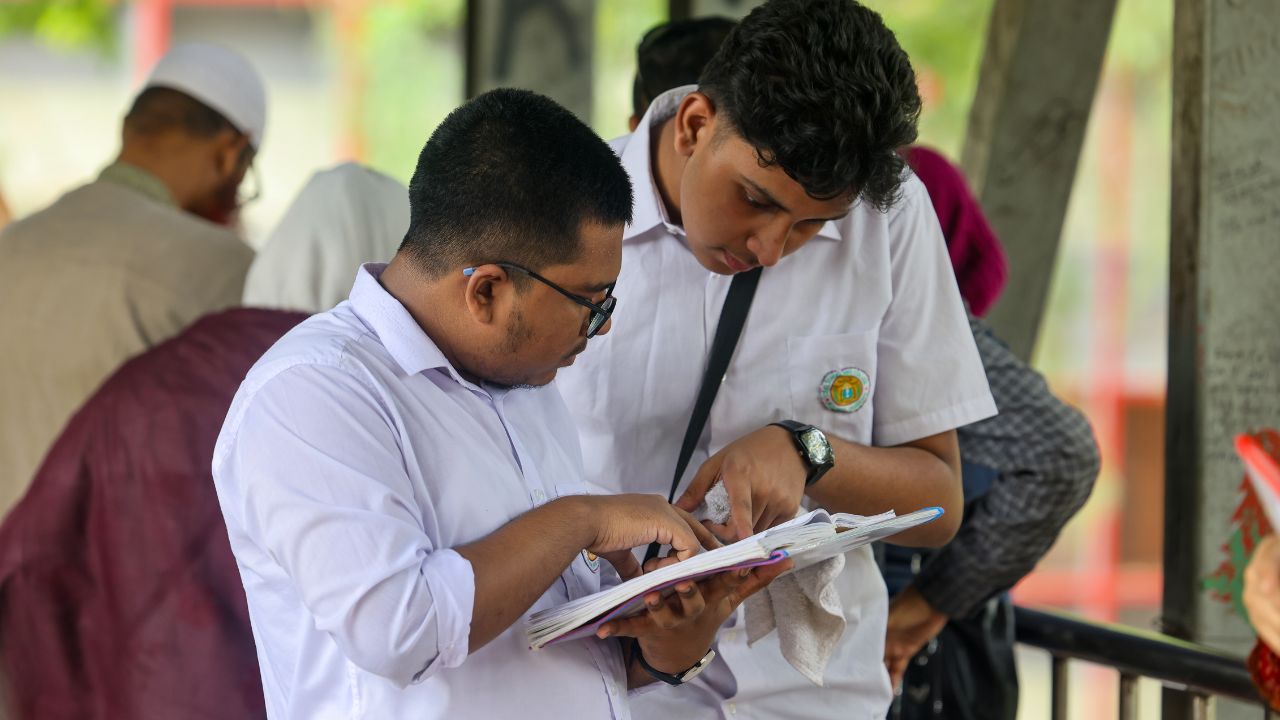
Mohammad Mojibur Rahman, professor at the Institute of Education and Research at the University of Dhaka, said consistently successful institutions had developed their own systems rather than depending solely on the government.
“Some educational institutions in the country always achieve good results. This is because, instead of waiting for the government, they develop certain strategies of their own. They genuinely teach well,” he told TIMES of Bangladesh.

“But this does not represent the entire education system. Unless the whole education system is overhauled, crores of students will not receive a real education.”
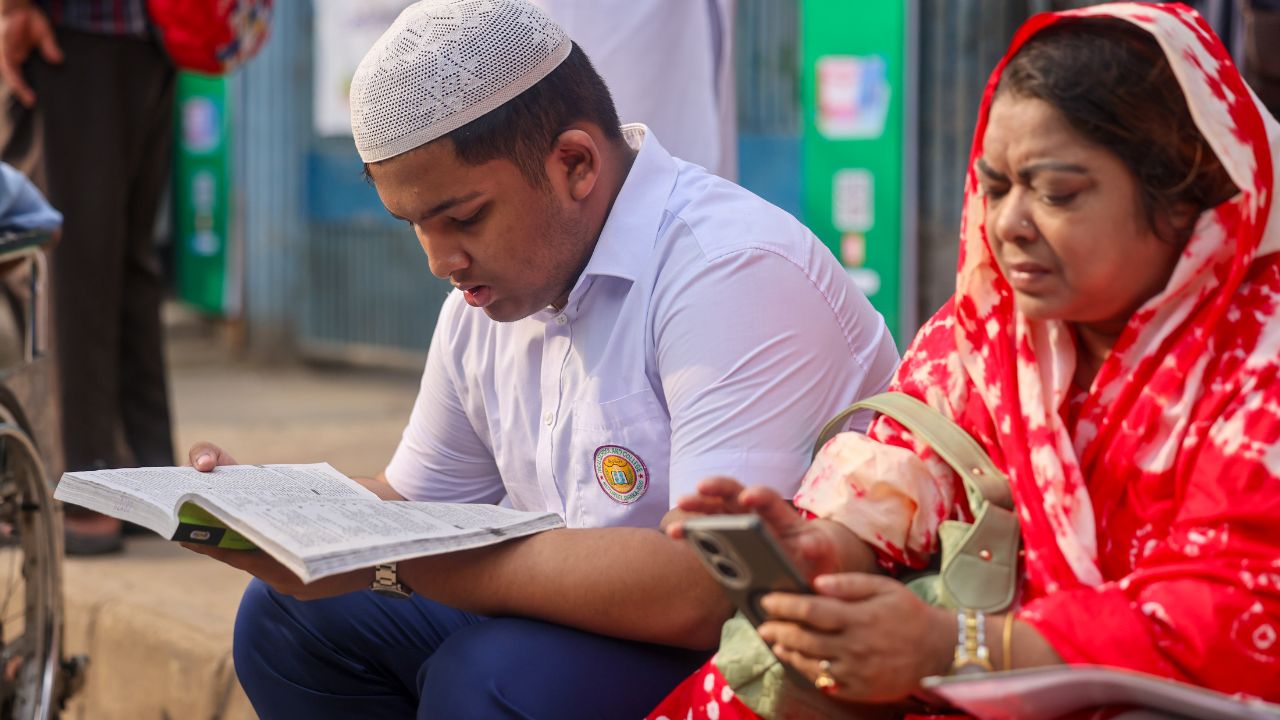
Holy Cross School and College achieved a 100 per cent pass rate, with 198 of its 248 examinees securing GPA-5.
Dhaka Residential Model School and College posted a 99.69 per cent pass rate, with 61.44 per cent of its examinees securing GPA-5.
At St Gregory’s High School and College, only one of 284 examinees failed, while 61.13 per cent secured GPA-5.
Principal Brother Placid Peter Ribeiro attributed the success to “strict discipline, well-organised teaching and the tireless efforts of teachers”.

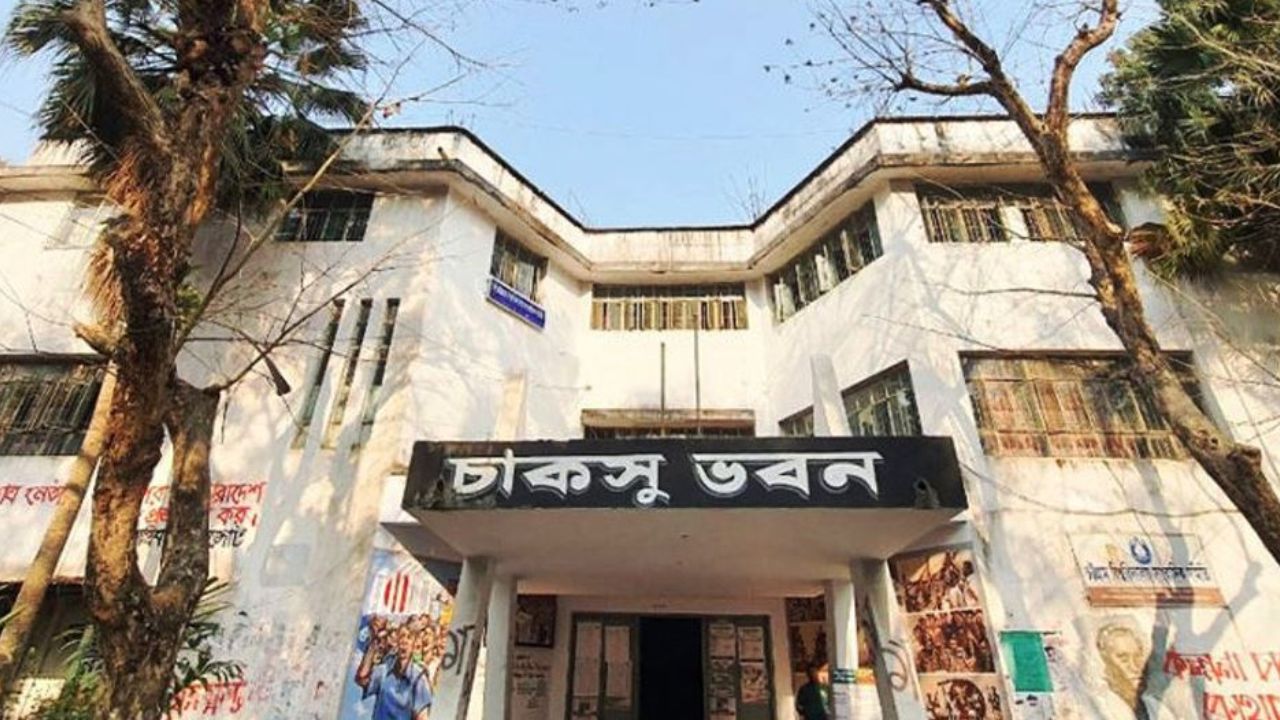


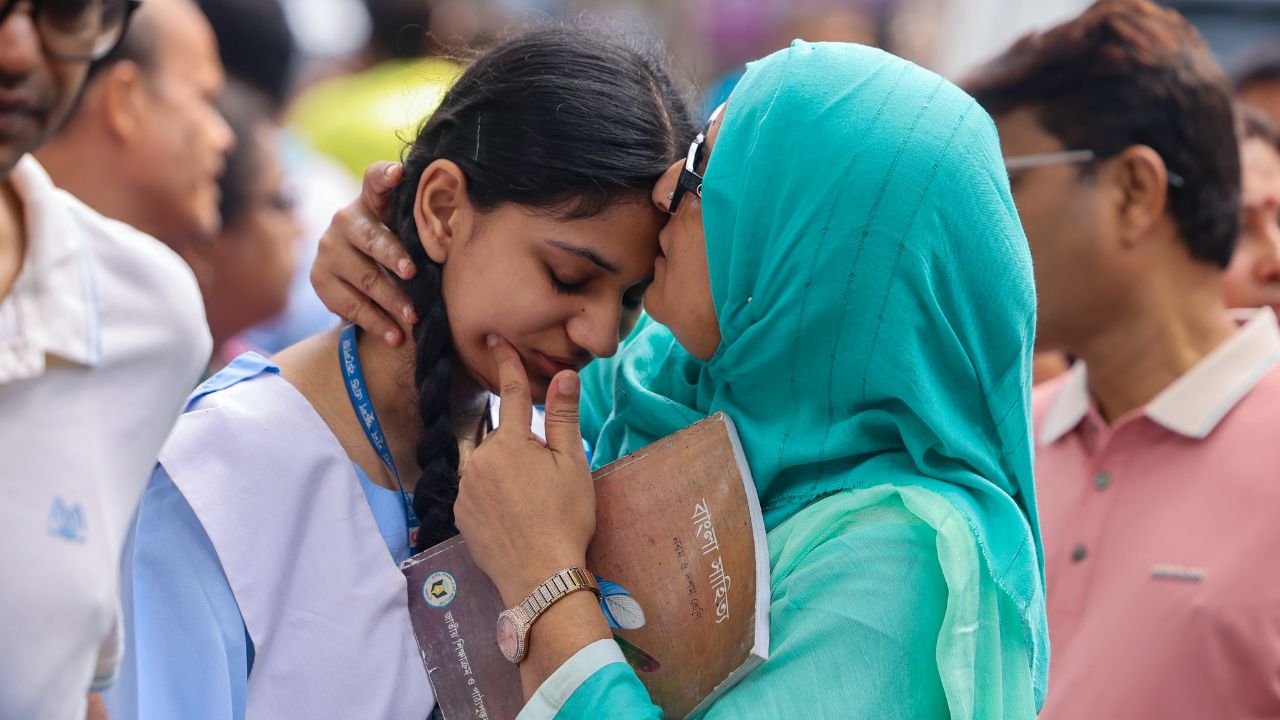
Viqarunnisa Noon School and College recorded a 97.40 per cent pass rate, down from 99.06 per cent last year.
Acting principal Mazeda Begum said the examination and assessment system was changing, but the institution had maintained consistency and was working to improve further.
At Monipur High School, the pass rate rose slightly to 92.25 per cent from 91.96 per cent in 2025.
The country’s 12 cadet colleges also maintained strong results, with the principal of one telling TIMES, “One hundred per cent of our students have secured GPA-5.”
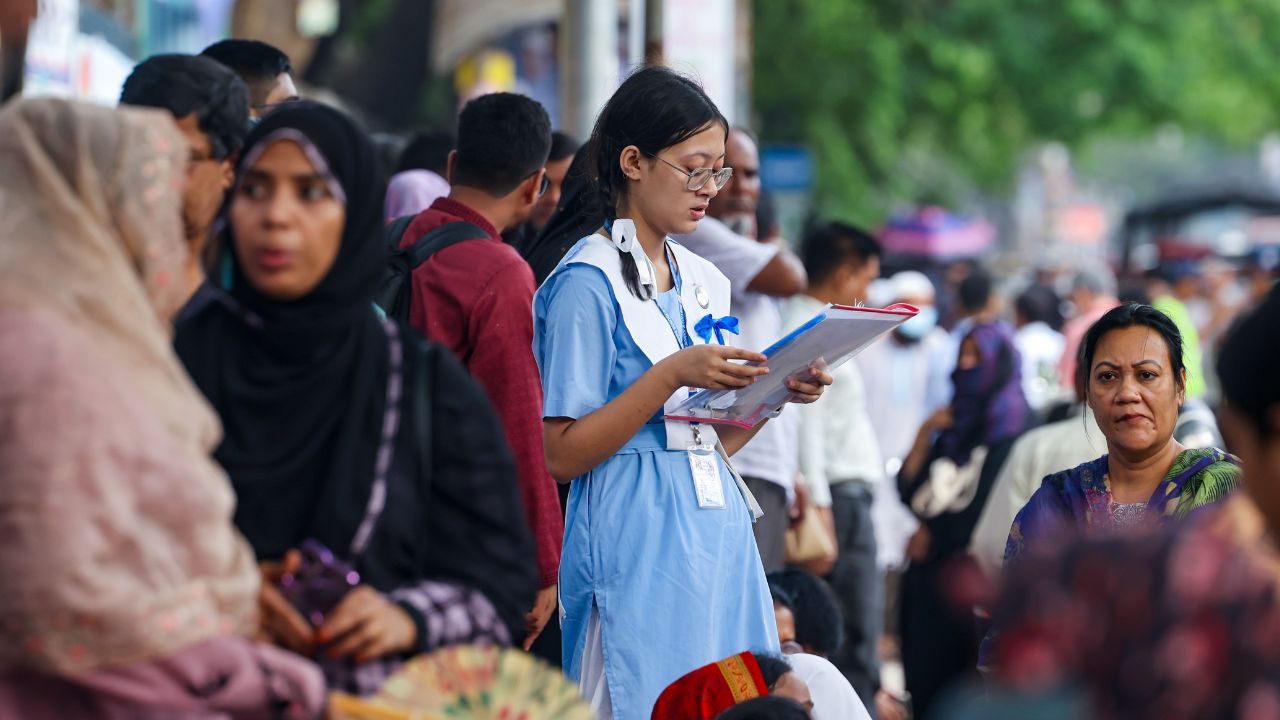
The pattern extended beyond Dhaka. All 289 examinees from Vidyamoyee Government Girls’ High School in Mymensingh passed, while all 382 examinees from Nasima Kadir Molla High School and Homes in Narsingdi secured GPA-5.
At Sarajubala Girls’ High School in Kishoreganj, only five of 295 examinees failed, while 31 per cent secured GPA-5. Acting head teacher Chameli Rani Das said the school tried to ensure regular teaching by subject-specific teachers.
Teacher shortage even in Dhaka, worse in villages
At Dhanmondi Government Boys’ High School, 277 of 310 examinees passed.
Acting head teacher Mohammad Kamal Uddin Patwary said the school should have 55 teachers but currently had 17 vacancies.
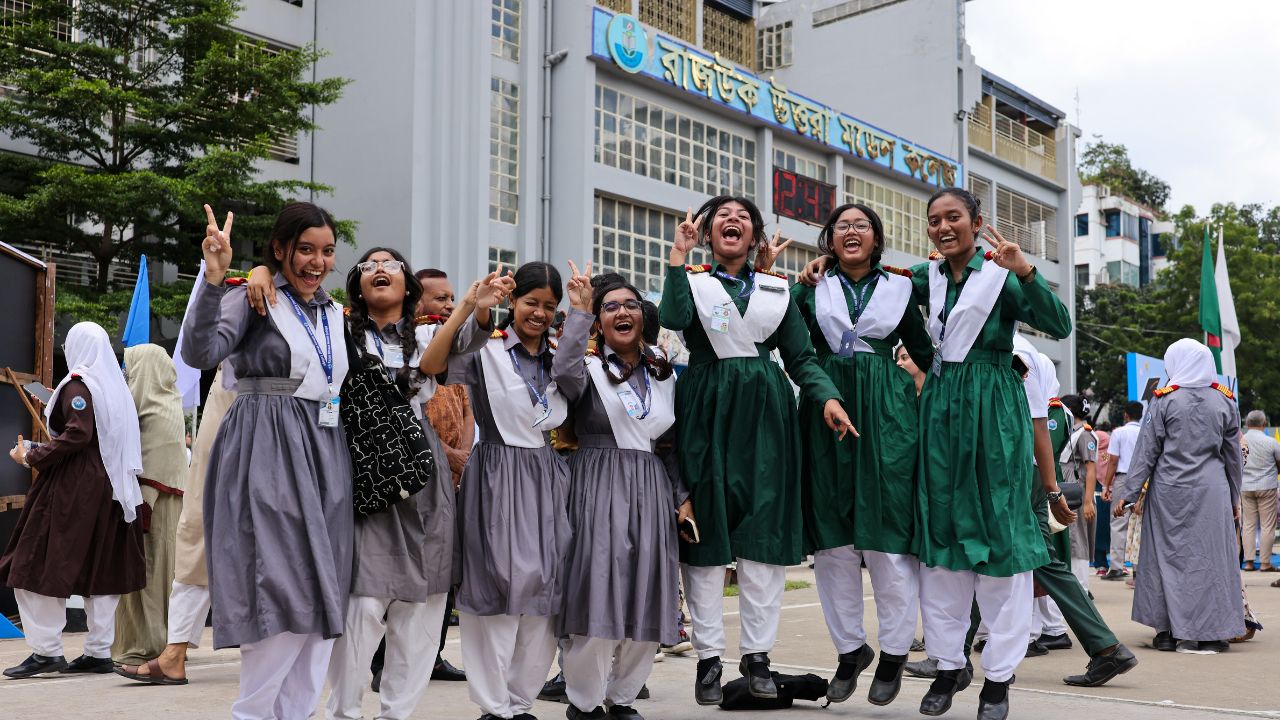
“We have had to use a social science teacher to teach Bangla. Naturally, this affects subject-specific learning,” he said.
Patwary said 4,000 of 18,000 teaching posts in government secondary schools nationwide were vacant, forcing many schools to assign teachers outside their subject areas.
Motijheel Government Boys’ High School Head Teacher Tahmina Yasmin also cited shortages of subject-specific teachers, curriculum changes and repeated changes to assessment methods as factors behind weaker results.
Bangladesh Teachers’ Union President Abul Bashar Howlader said the situation was even worse in district towns and villages.
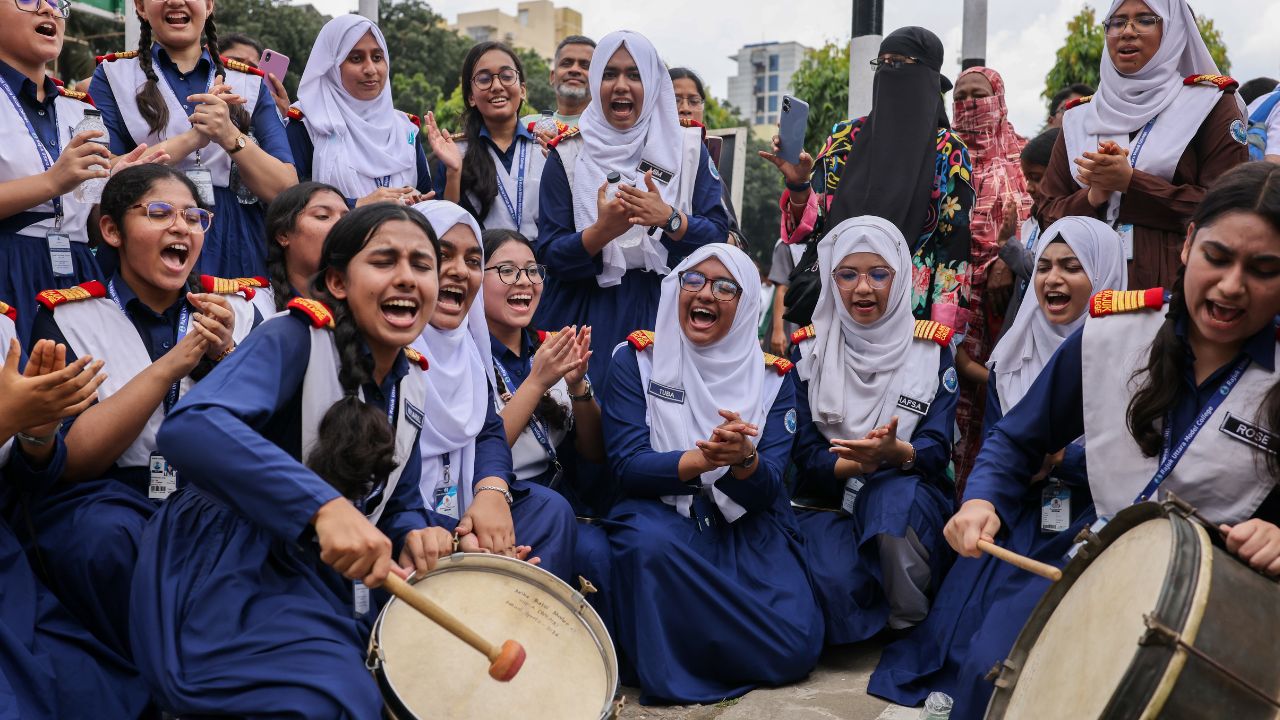
He said around 18,000 MPO-listed institutions educate a large share of secondary students but face acute teacher shortages. As most are in rural areas, quality teachers are often unwilling to stay, weakening teaching standards.
He said properly identifying and addressing the reasons behind poor results could help restore educational standards.
Humanities students fare worst
The sharpest decline was among humanities students, where more examinees failed than passed.
Nationwide, 51.26 per cent of humanities examinees failed — the worst result for the group in two decades. The failure rates were 35.29 per cent in 2025 and 31.50 per cent in 2024.
Dhaka Board Chairman Syed Aktaruzzaman called for detailed research into the decline.
“Teachers and parents encourage students who perform comparatively well in the classroom to study science. The others are sent to humanities. But afterwards, no special measures are taken to supervise them,” he said.
Dhaka Board Secretary SM Kamal Uddin Hyder said weak performance in English and mathematics was one factor, but the issue required deeper study.
He said he too had been sent to humanities after struggling with mathematics and later improved through his own efforts and family support.