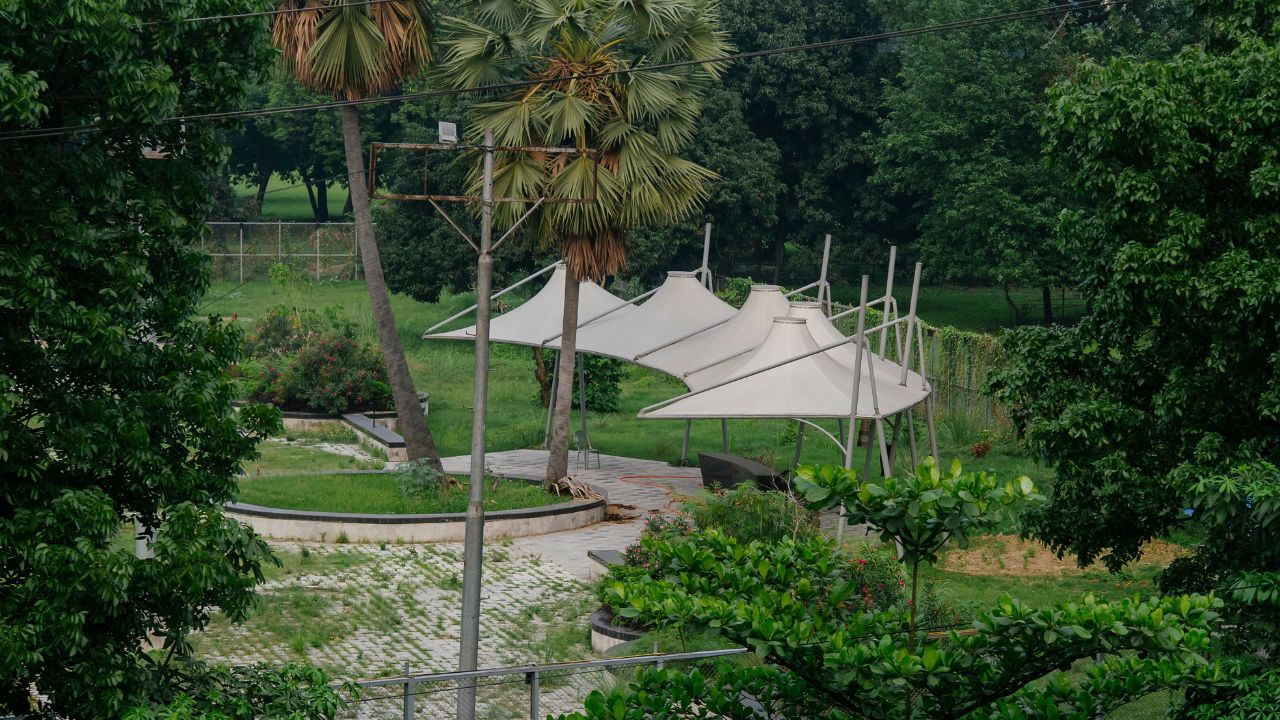





Built beside the west side of the National Parliament Building as a landmark initiative for accessibility, the Shaheed Farhan Fayyaz Playground was envisioned as a dedicated recreational space for persons with disabilities. This was a rare and much-needed commitment to inclusive urban infrastructure in Dhaka. But more than a year after its inauguration, the reality on the ground tells a starkly different story.
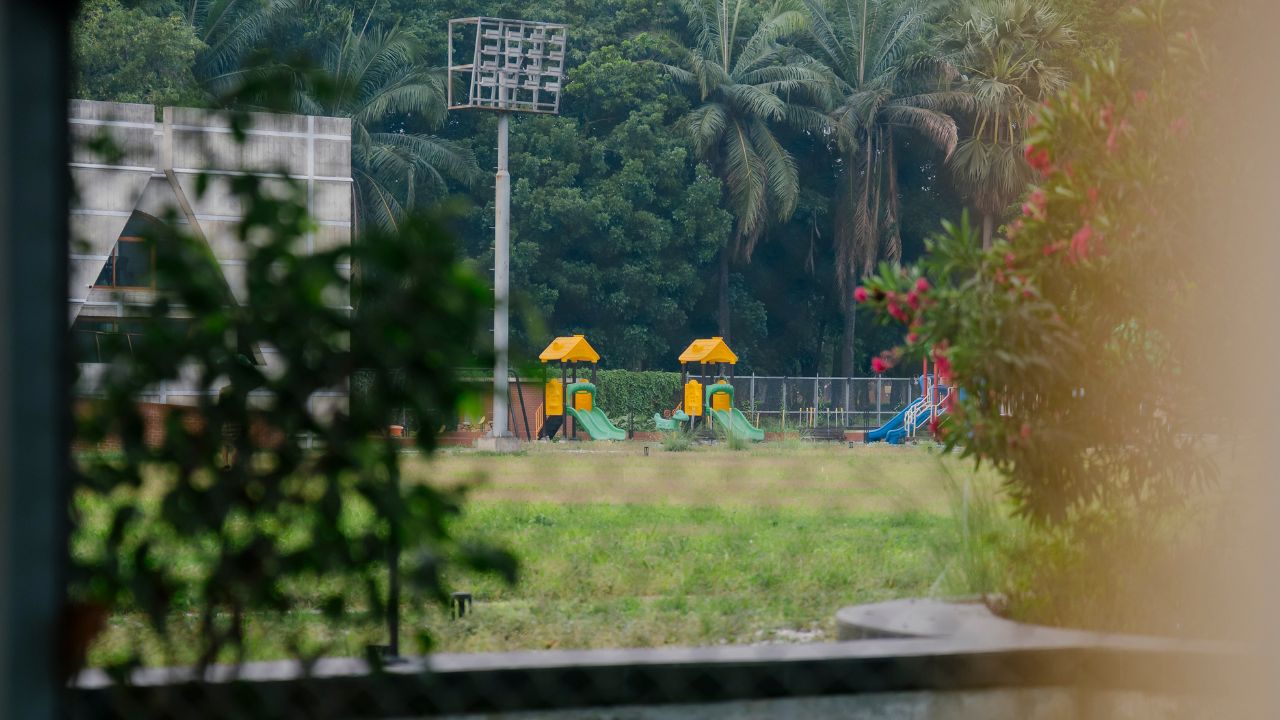
Officially inaugurated on November 7, 2024, by Youth and Sports Adviser Asif Mahmud Sajib Bhuiyan, the 52-metre-by-64-metre facility was introduced as a symbol of progress. Equipped with fitness installations, open green space, and a 50-seat VIP gallery, the playground was designed to provide persons with disabilities with a safe, accessible environment for recreation, physical activity, and community engagement. Yet despite that promise, the field now stands largely inaccessible.
Although the Ministry of Social Welfare directed that the playground remain open 24 hours, even during parliamentary sessions, visitors and nearby residents say the main gates are locked most of the time. In many cases, entry depends on presenting a disability card, a requirement that has itself become a barrier rather than a facilitator of inclusion.
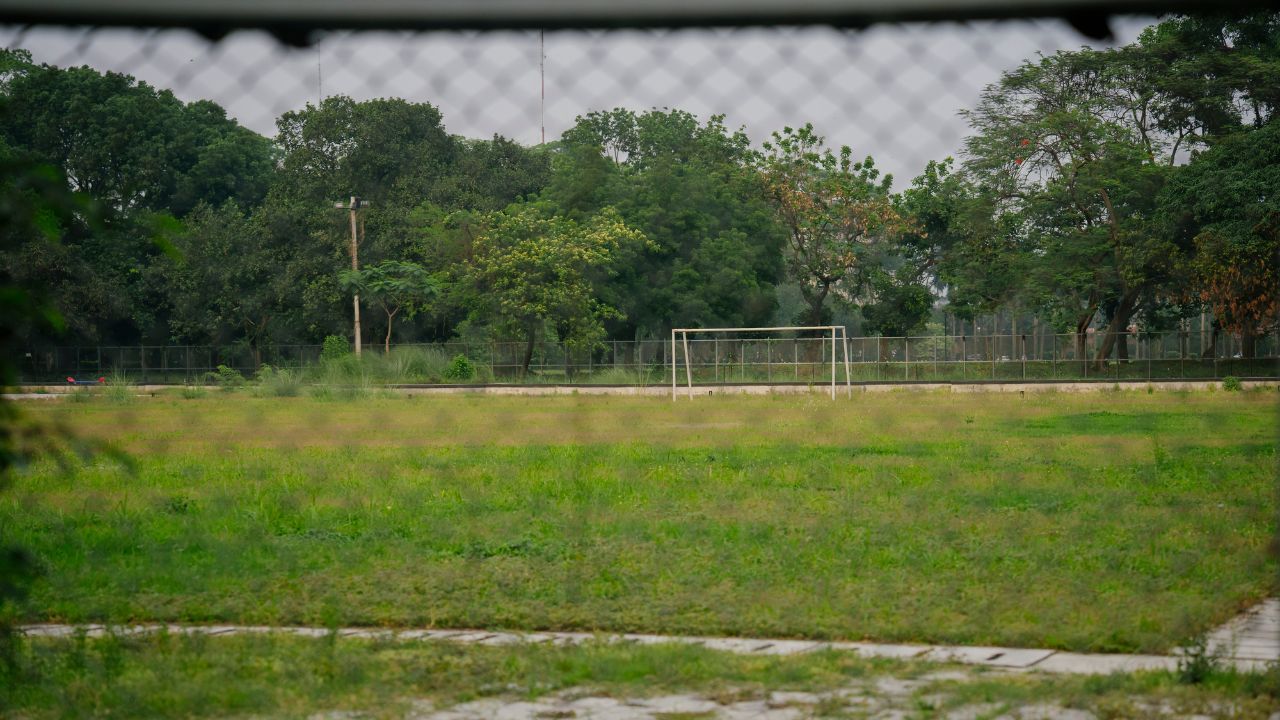
For many, the contradiction is difficult to ignore: a public facility designed for empowerment has instead become defined by restriction.
The playground is currently managed by the National Foundation for the Development of Disabled Persons. The Foundation’s director, Sona Moni Chakma, told TIMES of Bangladesh that to enter the field, visitors must present a disability card. However, according to local residents, this rule is not consistently enforced, and there are no visible activities taking place within the field, leaving the facility underutilised.
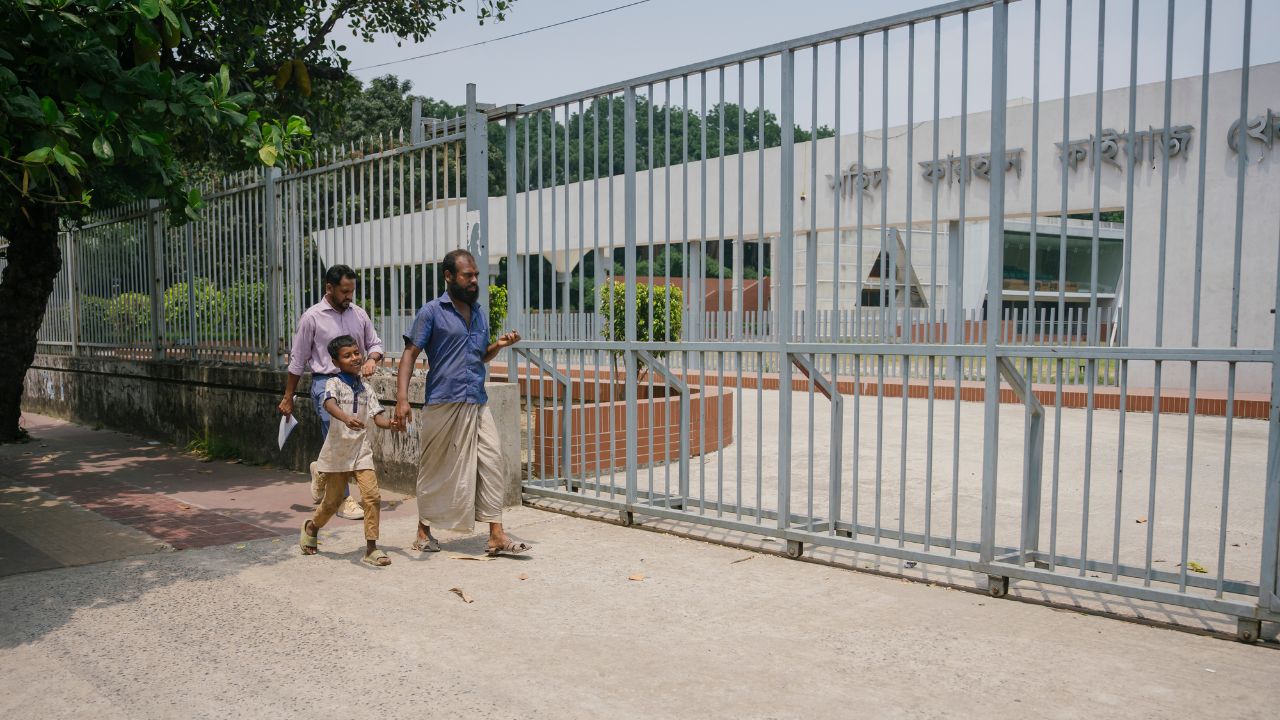
What was envisioned as a vibrant space for inclusion now resembles an underused, locked compound. The broader concern extends beyond one facility. In a city where open spaces are already scarce, particularly for marginalised communities, infrastructure without accessibility in practice risks becoming symbolic rather than functional.
Shaheed Farhan Fayyaz Playground was supposed to represent a progressive step toward a disability-friendly public space. Instead, its locked gates raise an uncomfortable question: can inclusion truly exist when access itself remains out of reach?