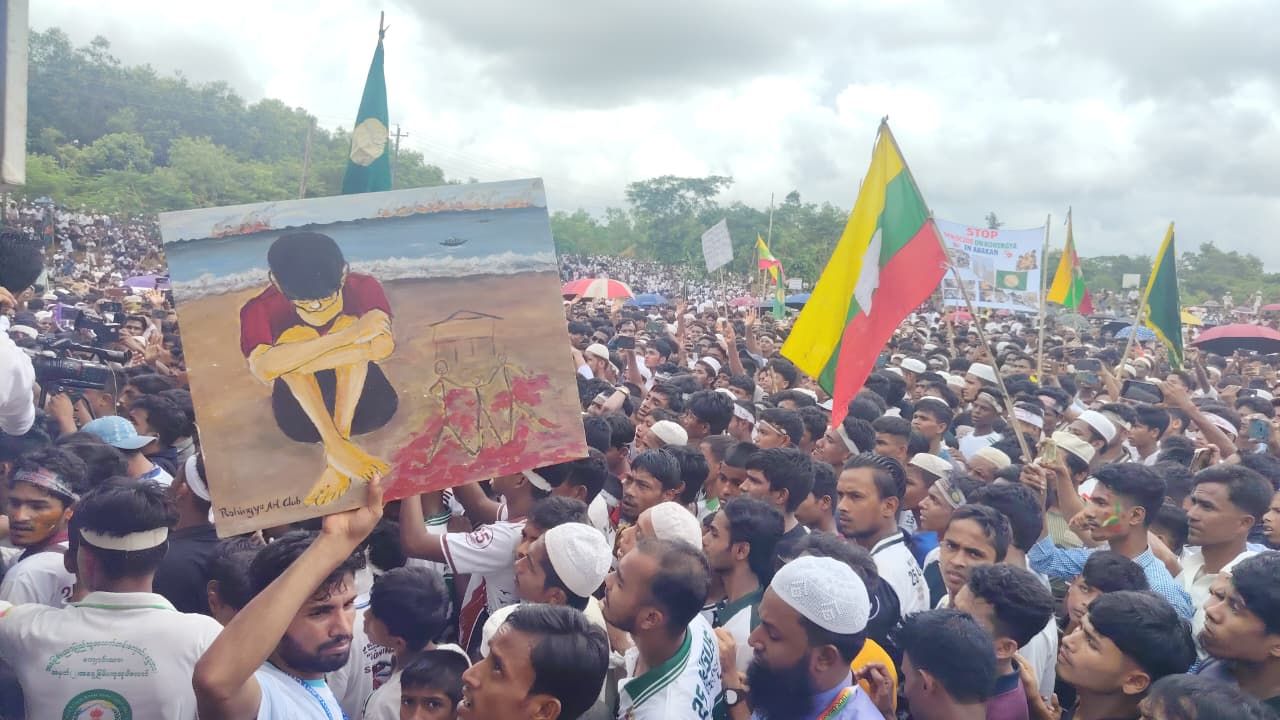



The International Court of Justice (ICJ) is set to deliver its judgment in the genocide case brought by The Gambia against Myanmar over the treatment of the Rohingya.
After seven years of legal proceedings, the court will deliver its judgment at 3pm Bangladesh time Thursday at the Peace Palace in The Hague. ICJ President Judge Iwasawa Yuji will read out the judgment.
The Gambia filed the case on November 11, 2019, accusing Myanmar of violating the 1948 Convention on the Prevention and Punishment of the Crime of Genocide, commonly known as the Genocide Convention.
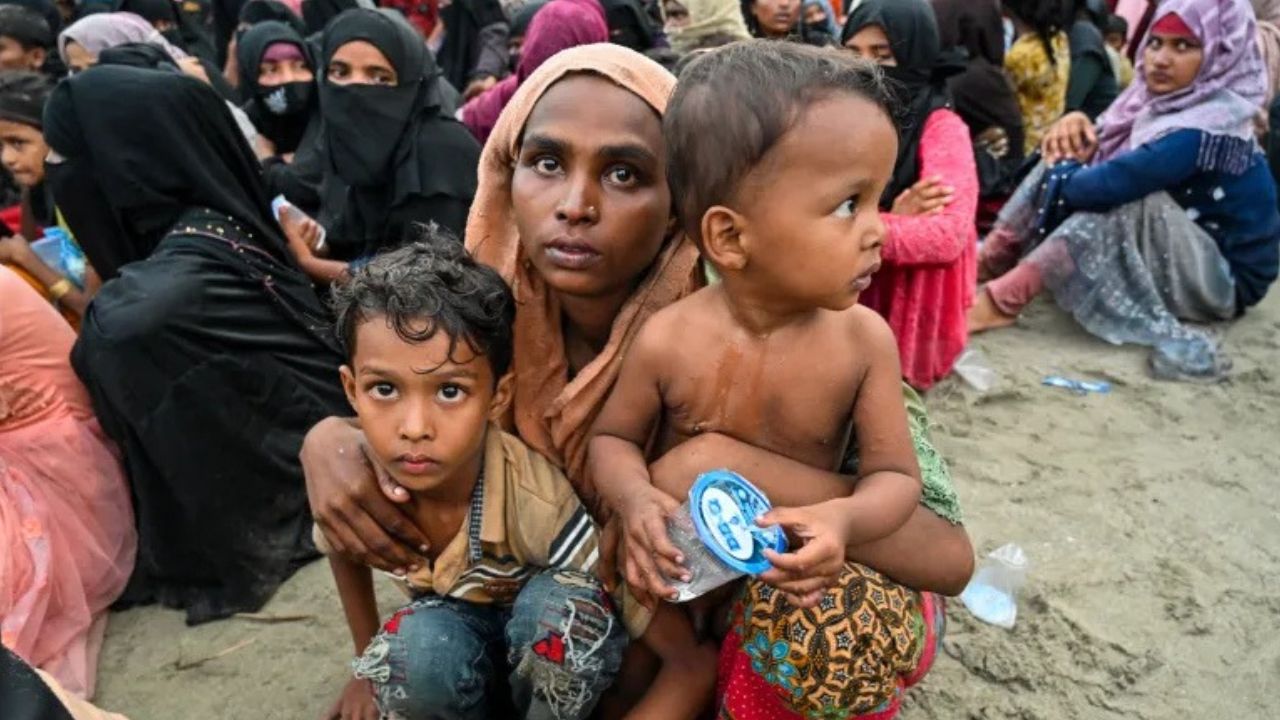
The Gambia asked the court to declare that Myanmar violated its obligations under the convention and must immediately stop any ongoing violations seeking reparations for Rohingya victims of genocidal acts and guarantees that such violations will not happen again.
The Gambia based the court’s jurisdiction on Article IX of the Genocide Convention, which allows disputes between countries over the interpretation, application or fulfilment of the convention to be referred to the ICJ.

Along with its application, The Gambia also asked the court to order urgent measures to protect the Rohingya.
Role of Bangladesh
Bangladesh played a crucial diplomatic role in laying the groundwork for the Rohingya genocide case at the ICJ.
Although it did not file the case, Bangladesh helped build the political and diplomatic momentum, enabling The Gambia to take Myanmar to the world court.

Through successive policy reviews, early assessments of persecution in Rakhine State and efforts to identify an international accountability mechanism, Dhaka gradually developed a strategy to pursue justice for the Rohingya.

Its most significant initiative came at the OIC foreign ministers’ meeting in Dhaka in May 2018, where Bangladesh helped mobilise member states behind an accountability process and paved the way for The Gambia to lead the legal action against Myanmar.
Provisional measures
On January 23, 2020, the court ordered Myanmar to take provisional measures, including preventing acts prohibited under the Genocide Convention.
After The Gambia submitted its written arguments, Myanmar challenged the court’s jurisdiction and the admissibility of the case.
However, in a judgment delivered on July 22, 2022, the ICJ rejected Myanmar’s preliminary objections, ruling that it had jurisdiction to hear the case under Article IX of the convention and that The Gambia’s application was admissible.

Myanmar later submitted its counter-memorial, or formal response to The Gambia’s arguments. The Gambia then filed a reply, followed by Myanmar’s rejoinder.
Intervention by other states
Several countries also joined the proceedings by filing declarations of intervention under Article 63 of the ICJ Statute. These included Canada, Denmark, France, Germany, the Netherlands and the United Kingdom in a joint declaration, as well as the Maldives, Slovenia, the Democratic Republic of the Congo, Belgium and Ireland.

The court accepted their declarations as admissible.

However, it informed the intervening countries that their written observations provided sufficient information about their positions. The court, therefore, decided that they did not need to take part in the oral hearings.
Public hearings
The court held public hearings on the merits of the case from January 12 to 29, 2026.
During the hearings, the parties presented their arguments, with witnesses and an expert called by the parties examined.
The judgment will determine whether Myanmar bears responsibility for violating its obligations under the Genocide Convention.