





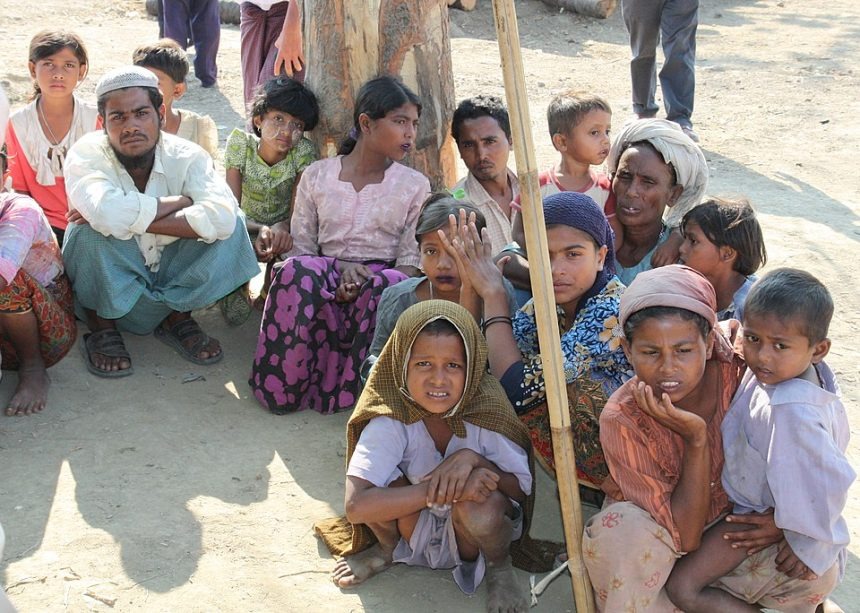
The resurgence of armed groups in Rohingya refugee camps in Bangladesh is raising concerns over regional stability and casting fresh doubts on the prospects of repatriating nearly one million displaced Rohingya to Myanmar, according to a new report by the International Crisis Group (ICG).

The report notes that following the Arakan Army’s recent territorial gains in Myanmar’s Rakhine State, a sense of unity has emerged among various Rohingya militant factions—who are now taking up arms against the Arakan Army itself.However, Bangladesh’s Refugee Relief and Repatriation Commissioner Mizanur Rahman dismissed the ICG’s findings, calling the claims “untrue.” “No evidence of armed group recruitment or training has been found in any of the camps,” he said.
According to ICG, militant groups that were once engaged in infighting are now adopting religious rhetoric, including references to “jihad,” in an effort to legitimize their activities. This shift has reportedly led to growing support from segments of the refugee population who had previously distanced themselves from such violence. The report warns that although Bangladesh has quietly initiated contact with the Arakan Army, perceived tolerance of Rohingya militants by local security forces could undermine those efforts.
Analysts argue that to prevent further deterioration, Bangladesh must crack down on militancy within the camps while strengthening economic cooperation with communities across the border in Rakhine.
They further urge the international community to continue humanitarian support for the refugees and to pressure all stakeholders—including the Myanmar junta and rebel groups—to engage in dialogue aimed at restoring conditions conducive to voluntary, safe, and dignified repatriation.


