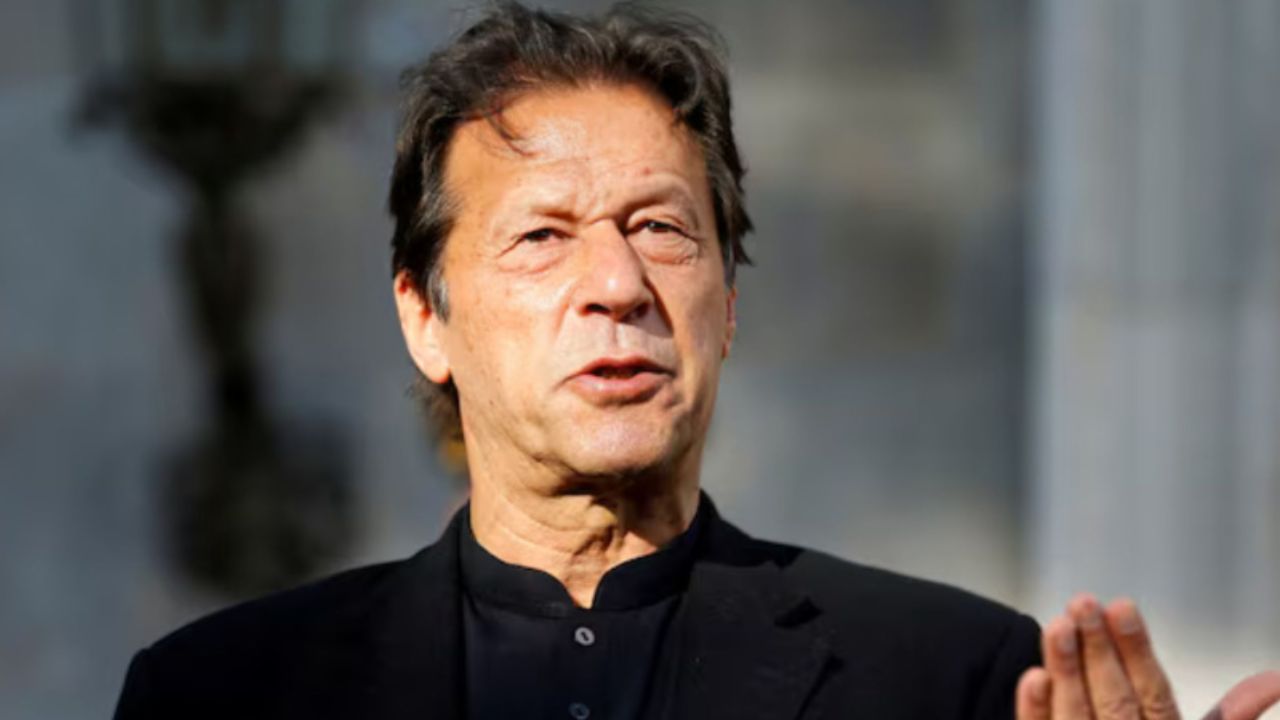



Imran Khan cannot hold a rally or give an interview, and his party says even his own doctors can’t reach him. His party’s KP government has been pushed aside under governor’s rule, and Chief Minister Sohail Afridi, held in detention, has been rendered unable to function. Yet this week PTI told the country it is widening its alliance, will mark 26 November as “Martyrs’ Day,” and is asking a court to broadcast his appeal live. Allies, anniversaries and court dates are the three cards it is playing. Whether they add up to a plan or a reflex is the question.
After lawyer Latif Khosa met Imran at Adiala, the party announced his instruction to expand the alliance and reach out to Fazlur Rehman and other opposition parties. This courtship is not new. In August, Barrister Gohar was renewing PTI’s wish for an alliance with Fazl, and in May the party said it would engage JUI-F issue by issue while talk of a grand opposition front had stalled.
The history is awkward, since Fazl once claimed PTI reached power in KP with help from armed militants. But shared grievance can outweigh old insults. Fazl has rejected the emergency, accused the government of backing out after agreeing to demands, and now has his own security guards withdrawn. The strategic reading is that PTI gains a seasoned partner and a wider tent. The desperate reading is that courting a former critic only after losing power is what a party does when its options have run out, and Fazl has never been easy to bind.

PTI has handled the 26 November anniversary differently each time. In December 2024, Imran directed the party to observe 15 December as Martyrs’ Day and called for a judicial inquiry. Last year it was a “Black Day,” with district-level protests rather than a major nationwide one. This year it is “Martyrs’ Day” again.
The strategic reading is that this keeps a grievance alive and gives supporters a rallying point without risking another mass confrontation, and the shift to smaller events suggests the party learned something. The desperate reading is that commemoration is what remains when large-scale mobilisation is costly. The facts also remain contested. PTI has said at least 12 supporters were killed, while the authorities denied it, saying security personnel were not carrying live ammunition. Your document notes deaths on both sides. The grief is real, but a day framed by one side’s account is hard for the other to accept.


The appeals in the Al-Qadir Trust case are set for Nov 25 before an IHC division bench. PTI’s petition for a live broadcast invokes the public’s right to information and points to the broadcasts of the Bhutto reference and the Musharraf case. Separately, the core committee asked the Federal Constitutional Court to modify the stay order that is keeping bailed workers in custody and urged judges to enforce earlier medical orders.


The strategic reading is that courts are among the few venues where PTI can still force an official answer, and a public record of unimplemented orders has value. The desperate reading starts from the setbacks. The FCC rejected Bushra Bibi’s plea to suspend her sentence, and each court route is slow and outside PTI’s control. A live broadcast is also a bet on visibility that can cut both ways.
Geo reported that PTI missed a chance to protect its government and secure concessions for Imran before governor’s rule arrived. If that is right, the three cards are what is left after a bigger one was spent. There is also the intermediary problem. We see Imran’s wishes through PTI’s statements, which makes it hard to tell how much a plan is from the top and how much is the party improvising in his name.

The cards are not random. Allies add numbers, anniversaries sustain the narrative and courts supply legitimacy. Together they form a coherent pressure campaign that avoids the street confrontation the party can least afford. Defenders would add that when your leader is jailed and your government suspended, doing everything available at once is not panic but the only rational course.