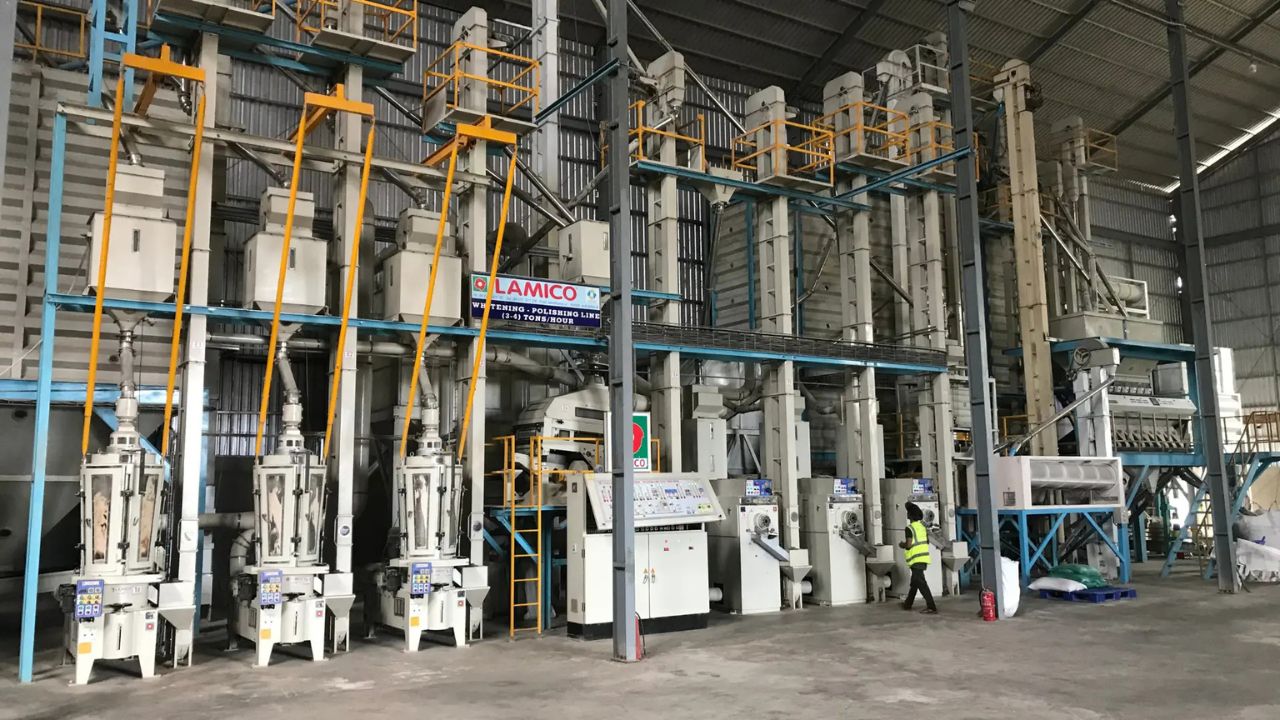



Kushtia’s Khajangar, one of the country’s largest rice trading hubs, is facing a production crisis as severe load-shedding has reduced rice mill output by around two-thirds. Similar disruption has hit rice mills in Jhenaidah, where auto rice mills and husking mills are also operating below capacity due to irregular electricity supply.
Kushtia
A visit to Khajangar on Wednesday found most mills either closed or operating below capacity, with workers spending idle time. Mills under the Palli Bidyut network have been particularly affected.
Millers told TIMES of Bangladesh the prolonged power crisis was affecting production and increasing costs, while a portion of the processed rice was becoming unfit for consumption.
Owner of Swarna Auto Rice Mill in Ballavpur near Khajangar Abdus Samad said “Workers come and leave after seeing that there is no electricity. We have to pay their wages, but there is no production.”
Samad said, “Production costs are rising significantly because we are burning diesel.” He said his mill used to produce around 90 tonnes of rice daily, but even after using diesel, output could not be increased beyond 30 tonnes.

He said the same number of workers who earlier produced 90 tonnes are now producing only 30 tonnes, causing major losses for the mill.
The power crisis has also disrupted the movement of paddy. A truck driver who brought paddy from Naogaon said he had been waiting for nine days as mills could not process the grain due to the electricity shortage.
“I arrived yesterday at 12pm, but it is already past noon today and I still could not unload the truck,” he said.




Kushtia Palli Bidyut Samity Deputy General Manager Md Jahangir Alam said the area’s electricity demand was 180 megawatts, but over the past two weeks the supply had been around 40 to 50 per cent of the demand.
He said the organisation received 135 megawatts on Wednesday evening, but it was uncertain whether the situation would continue.
Kushtia Deputy Commissioner Touhid Bin-Hasan said a meeting had been held to ensure uninterrupted electricity supply to rice mills.
“We are trying our best to keep rice production running and hope to find a solution soon,” he said.
Jhenaidah
The electricity crisis has also affected rice mills in Jhenaidah’s major rice processing areas, including Dakbangla and Uttar Narayanpur markets, where more than 100 auto rice mills and husking mills operate.
Rice processor and marketer Kashem Sarker of Uttar Narayanpur market said large auto rice mills could process up to 700 maunds of paddy into rice in a single production cycle. However, due to irregular electricity supply, production has dropped to 300 to 400 maunds per day.
He said the decline in production had also reduced working hours for labourers, affecting their daily income.
Abdul Mannan, owner of a husking mill in the same market, said auto rice mills could process large quantities of rice at once, but reduced electricity supply had affected their production.
He said some mills were keeping operations running with boiler generators, increasing fuel costs.
Mannan said husking mills were facing greater difficulties as their machines depended entirely on electricity. He said machines remained shut during load-shedding and workers could not continue their work.
“Earlier, when electricity supply was normal, we used to process three to four batches of paddy daily, amounting to 400 to 550 maunds. Now, production is not even half of that,” he said.
He warned that the disruption in rice production could have a negative impact on the rice market across the country.