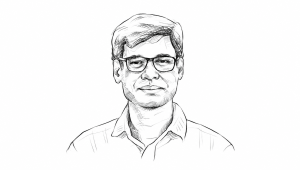
Golam Rabbani Nayan Bangalee
We believe that establishing a political training cell is an urgent task for shaping Bangladesh’s next generation of leaders. Without structured guidance, mentorship, and ideological clarity, future leaders risk repeating the same patterns that have harmed the nation’s political culture. A training cell provides discipline, strategic understanding, moral grounding, and the ability to build movements rooted in service rather than personal gain.
Bangaleer Patshala School of Leadership has taken on this responsibility with a vision that meets a real national demand. This initiative recognises that leadership is not born overnight and must be cultivated through long-term development. For the past 17 years, a dedicated group of organisers has continued this mission quietly during a period of political pressure and limited space for open political education. Their work has taken place both inside Bangladesh and across the diaspora, maintaining ideological exchange and unity.

The founder of this organisation was forced to flee due to fear of persecution and targeted pressure. But it did not stop. Instead, the movement continued to grow through community-building, mentorship networks, and leadership circles. This persistence shows a commitment rooted not in personal status, but in the belief that the nation needs ethical, trained, and service-oriented leadership.
The organisation stands firmly against the influence of inherited political entitlement and the dominance of wealth-based power. They reject systems that allow black money to shape political outcomes. Instead, they are promoting a new political culture centered on transparency, accountability, and collective responsibility. Their focus is not on producing career politicians but on forming political social workers who serve the people first.


This approach is what they call social-work politics. It shifts leadership away from power accumulation and toward public service, community organisation, and moral responsibility. The journey to create political social workers is not only a political project but also a cultural transformation. It aims to rebuild trust, dignity, and purpose within leadership, preparing the next generation to lead Bangladesh with integrity and courage.
Political training cells in Bangladesh matter because they act like structured spaces to learn how leadership actually works in real life. A lot of people want to lead, but they don’t get taught how power moves, organizing people, or negotiating decisions. These training cells introduce young members to the internal dynamics of political systems, helping them learn chain of command, communication patterns, and how leadership influence develops over time.
Another reason they are important is that they intentionally shape moral and ethical grounding before someone rises to a high position. Bangladesh’s political culture often suffers from inconsistency between stated values and actual behaviour. Training cells provide frameworks to study national history, ideology, and examples of leadership integrity. With structured mentorship, they learn why character matters when guiding communities and representing people.
Understanding strategy is another major function. Politics is not just about belief; it is also about messaging and influence. Training cells teach how to frame narratives, how to spread messages without misinformation, and how to mobilise support respectfully. Leaders learn how to listen to people so they can deliver their message in a way that feels relevant. They also learn how to counter negative propaganda without escalating conflict.
Finally, these training cells create unity and continuity in leadership development. Instead of every generation starting from zero, knowledge passes down, forming a culture of disciplined and value driven leadership. This helps prevent fragmentation and internal conflicts. When young leaders grow in a political environment with guidance, ethical standards, and strategic skills, the political future becomes more stable, informed, and grounded in national interests.
The writer is a political analyst