






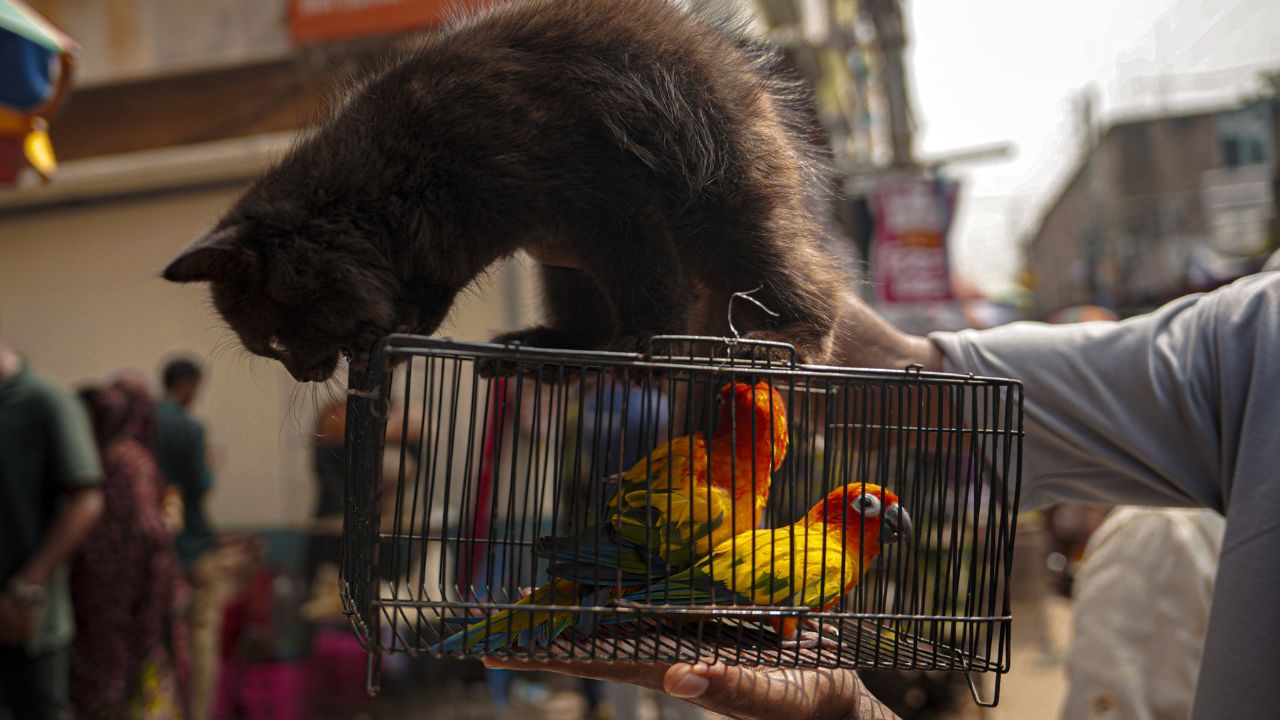
They arrive in flashes of colour, orange, yellow, green. Beaks tap against the wire. Wings beat the air, but never far enough to fly. On a busy Friday morning in Mirpur-1, cages line a narrow street beside Shah Ali Mazar, turning living creatures into weekend attractions. People stop, smile, and bargain.
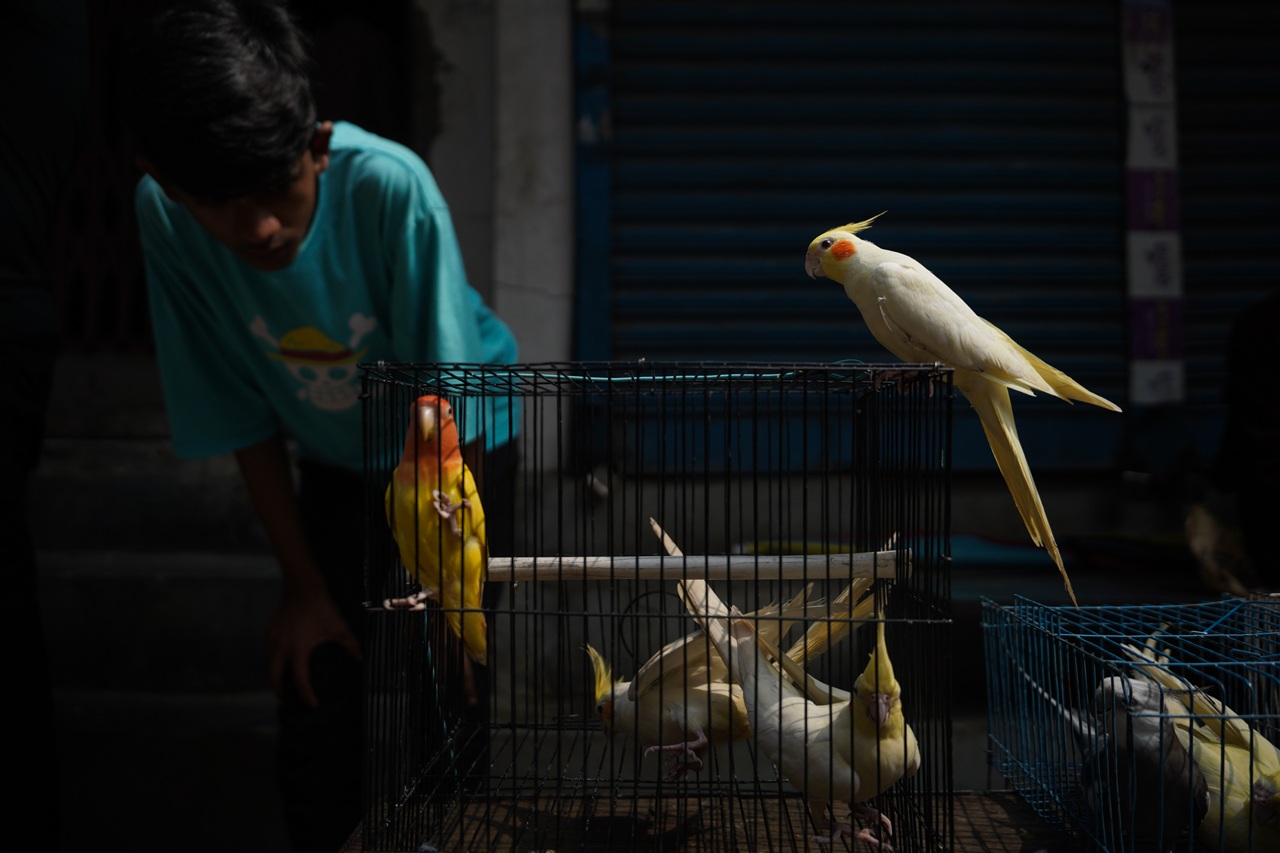
Few pause to ask what life looks like from inside those cages. But stay a little longer, look closer, their cheer begins to fade. Inside cramped cages, birds barely have space to stretch their wings. Some cling to wire bars; others sit unnaturally still. A few lie weak at the bottom, their bright colours hiding exhaustion. These are not displays of love. They are signs of stress, fear and slow cruelty, played out in public every week.
The illegal pet bird trade in Dhaka survives on this contradiction. It sells affection but runs on suffering.
According to lawyer and animal welfare activist Rabab Chowdhury, the law is clear. The Animal Welfare Act 2019 states that no animal can be deprived of food, clean water or medical care. Keeping animals in conditions that cause pain, distress or injury is illegal. “These markets violate the law openly,” she said. “The sellers know it. The buyers often don’t ask, and enforcement remains weak.”
That weakness has allowed the trade to flourish. Exotic birds, many illegally imported or bred without regulation, are sold in roadside markets with little oversight. No health certificates or vaccination records. No accountability once money changes hands.

The cruelty is not always loud or violent. Often, it is quiet. Hours under the sun, lack of water, constant noise and rough handling by curious hands. Birds are prey animals by nature. Confinement, crowding and constant disturbance push them into panic or depression. “Some become completely silent,” veterinary surgeon Dr Md Mahmudar Rahman explained. “Others grow aggressive out of fear. Long-term confinement damages them psychologically.”
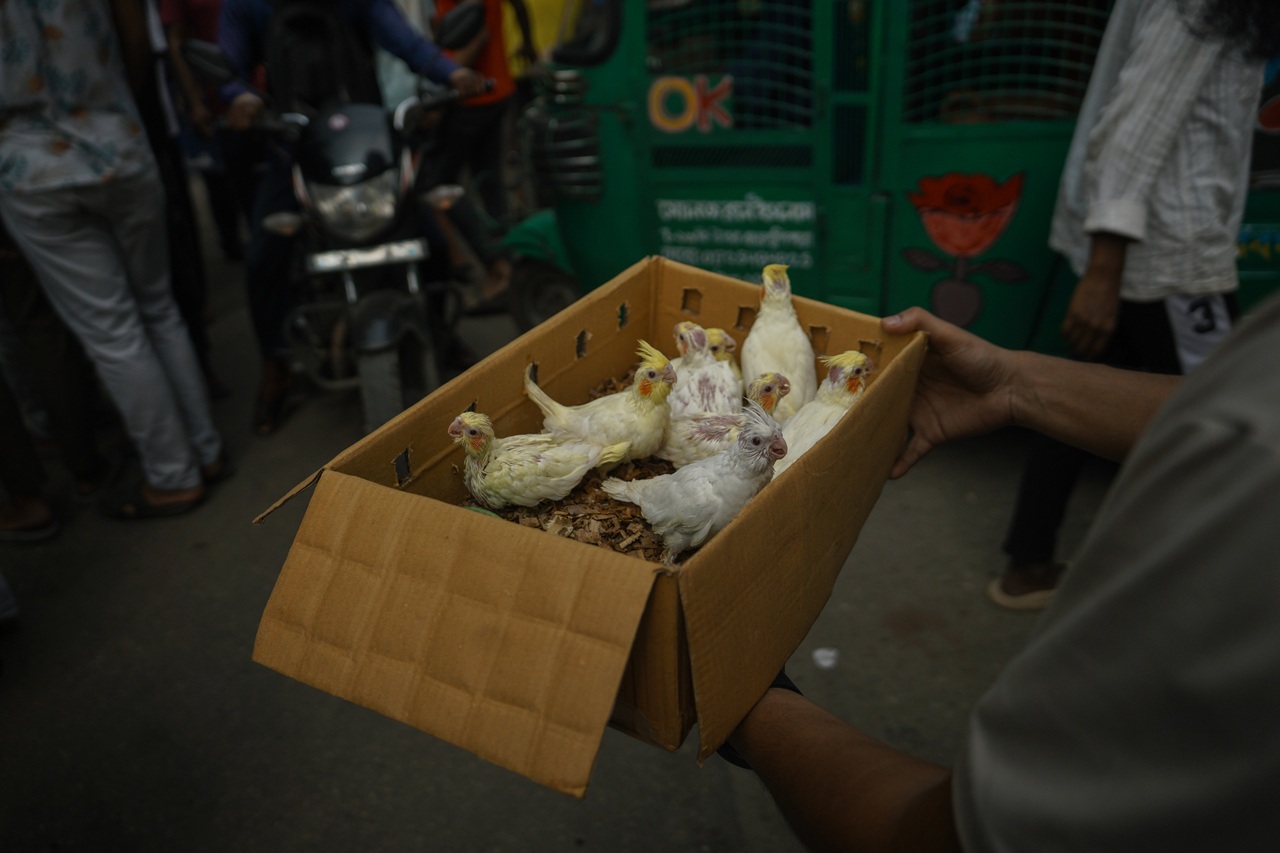
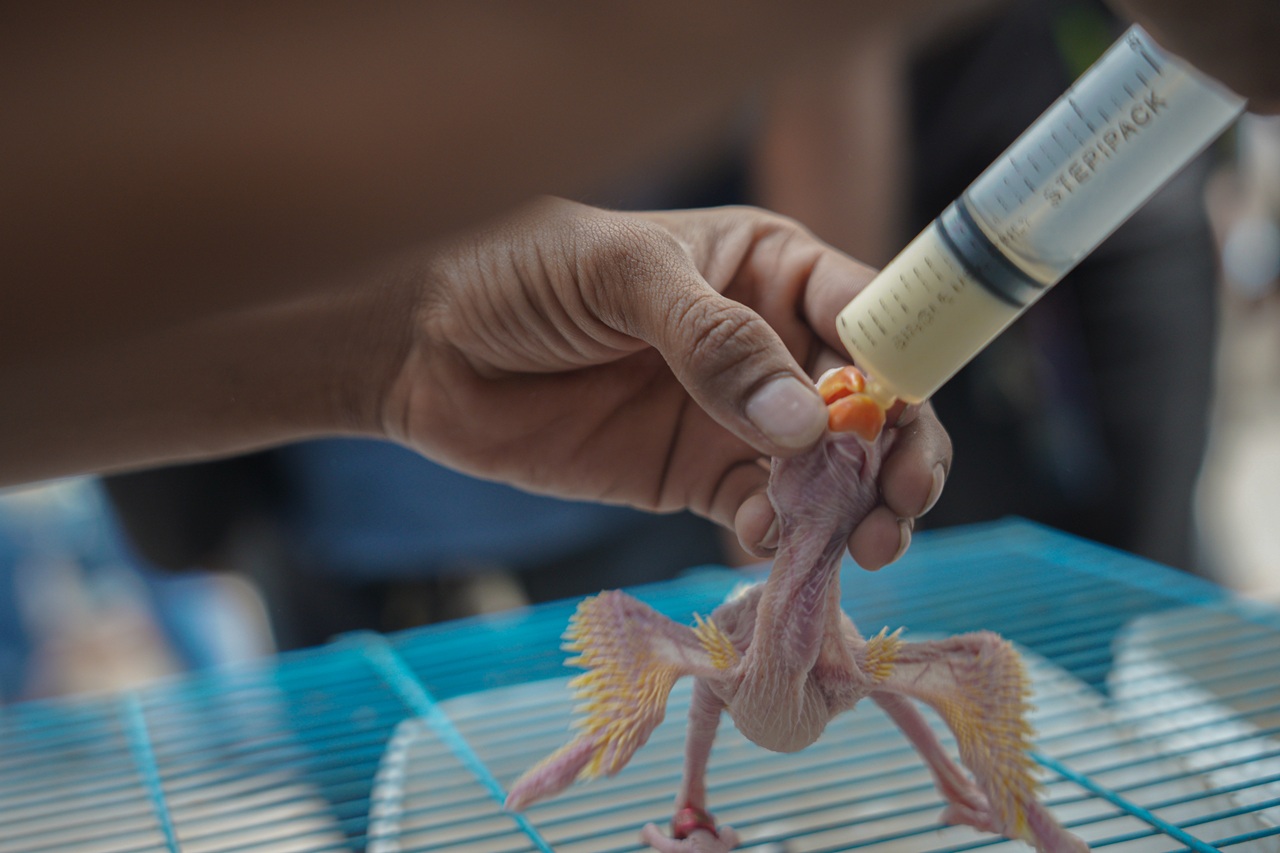
In many cases, the suffering begins even earlier. Birds are transported in boxes, sacks or tightly packed cages. Chicks are separated too soon. Inbreeding is common, producing weaker offspring prone to disease. What buyers see as a “cute pet” is often already fragile.
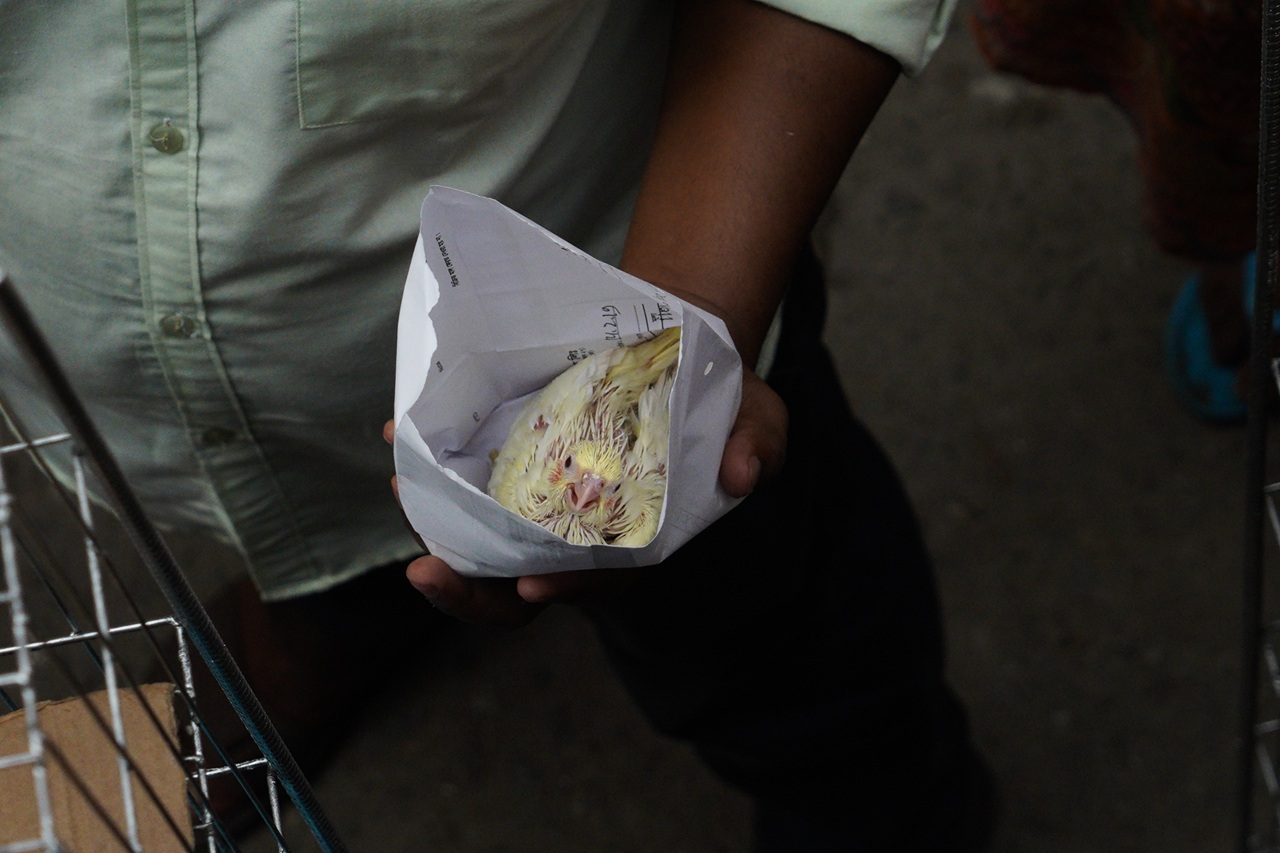
The Times of Bangladesh’s visit to the Mirpur market found overcrowded cages, birds without visible water bowls, and animals exposed to heat, noise and constant handling.
Change must start with buyers. If people stop buying from unregulated markets, the profit chain will break. No demand means no supply. We need stricter monitoring and visible enforcement. Laws without action only normalise abuse.
Every Friday, Mirpur’s pet bazaar will likely return. Cages will be stacked, and colours will shine. The scene will still look cheerful from a distance. But until compassion is matched with accountability, those bright feathers will continue to hide silent suffering.


