Pakistan and Afghanistan have decided to prolong their existing ceasefire for another week following a series of negotiations in Türkiye.
The Turkish Ministry of Foreign Affairs announced on Thursday, reports Al Jazeera.
According to a joint statement released by Türkiye’s Foreign Ministry, representatives from Pakistan, Afghanistan, and mediating nations Türkiye and Qatar agreed to reconvene in Istanbul on 6 November for higher-level discussions aimed at finalising mechanisms for implementing and monitoring the truce.
“All sides have consented to establish a joint system for monitoring the ceasefire and imposing penalties on any side that violates the agreement,” the statement added.

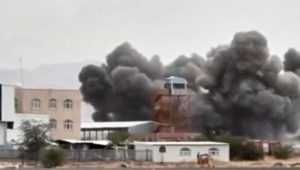
The renewed truce follows intense border clashes between the two countries earlier this month, which erupted after a series of explosions in Afghanistan incidents Kabul attributed to Pakistan.
The exchange of fire left heavy casualties on both sides, with Pakistan’s military claiming to have killed over 200 Afghan combatants, while Afghan officials said at least 58 Pakistani troops were slain.




The recent skirmishes marked the deadliest confrontation between the neighbours since the Taliban took power in Afghanistan in 2021.
Efforts by Türkiye and Qatar helped facilitate an initial ceasefire on 19 October in Doha, signed by the defence ministers of both countries.
However, fresh tensions resurfaced during follow-up talks in Istanbul last week after Islamabad pressed Kabul to take stronger action against the Tehreek-e-Taliban Pakistan (TTP) – a militant group long blamed for deadly attacks inside Pakistan. The Afghan side has repeatedly denied providing sanctuary to the group.
Negotiations resumed on Thursday after a brief suspension, resulting in both parties agreeing to maintain calm until the next round of talks in early November.
Afghan government spokesperson Zabihullah Mujahid confirmed the outcome of the talks, saying both sides had agreed to continue their dialogue “to achieve lasting stability along the border.” Pakistani officials have yet to issue a formal response.
Despite the ceasefire extension, the border crossing between the two countries remains closed for over two weeks, disrupting trade and causing heavy financial losses for local traders.