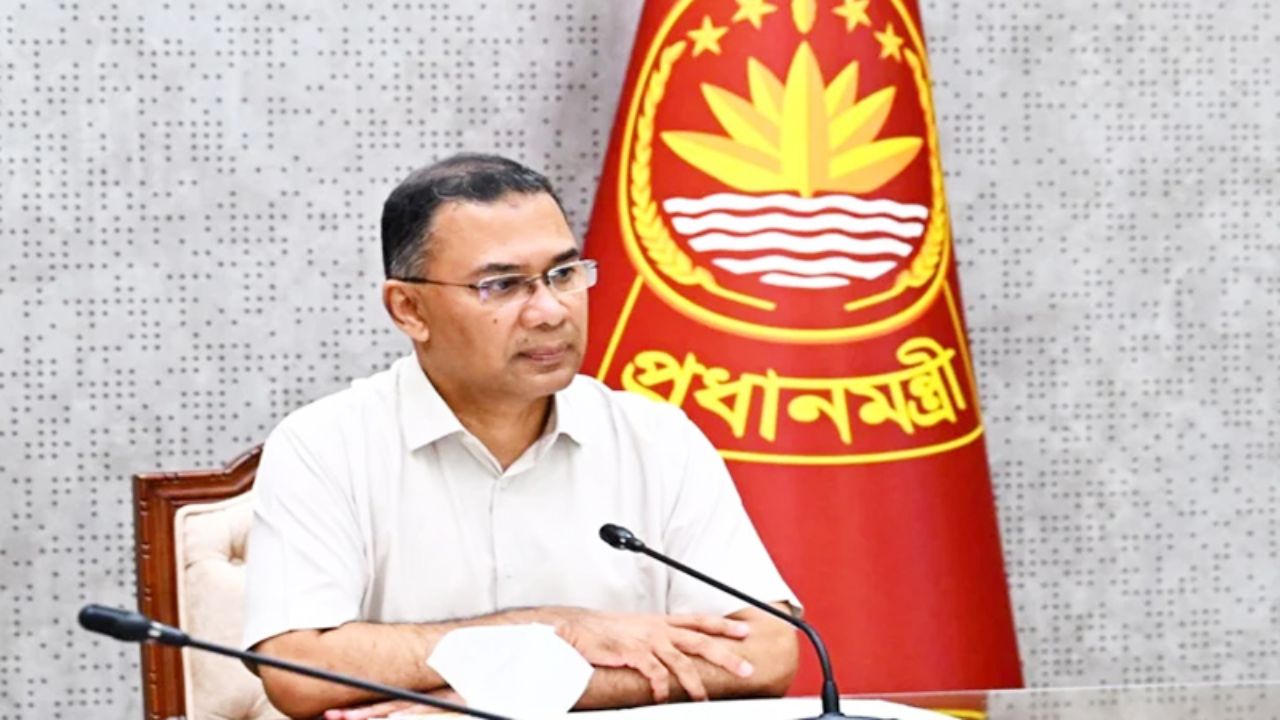



Bangladesh has yet to make a decision on Prime Minister Tarique Rahman’s proposed visit to India, his press secretary said on Friday, following Indian media reports that he is expected to visit New Delhi from 23 to 25 August.
“There has been no decision yet regarding the prime minister’s visit”, said Prime Minister’s Press Secretary Abu Abdullah M Saleh, also known as Saleh Shibly, reports Reuters.
The possibility of the visit gained further attention after India briefly issued, and then withdrew, a statement suggesting preparations were under way for a ceremonial welcome.
In a release issued Friday afternoon, the Indian President’s Secretariat said the Change of Guard Ceremony at the Forecourt of Rashtrapati Bhavan would not be held on Saturday due to a full rehearsal for the ceremonial reception of the Bangladesh prime minister.
The statement was posted by India’s Press Information Bureau at 2:25pm but was subsequently withdrawn, reports UNB.

Bangladesh on 16 August asked India to act promptly on its request for the extradition of former prime minister Sheikh Hasina and other fugitives.
Dhaka also sought the handover of those accused of killing Sharif Osman Hadi, citing the bilateral extradition treaty.
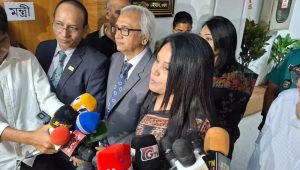
“We are awaiting their response,” Foreign Ministry spokesperson AKM Shahidul Karim said.



Officials from the two countries have been communicating for several weeks over the possibility of a bilateral visit by Tarique.
However, Karim said the process had been “vitiated” by Hasina’s open press interaction in New Delhi on 5 August.
Hasina has been convicted by the International Crimes Tribunal of crimes against humanity.
“We have made our position clear on this matter,” Karim said while reading out a written statement. He did not take questions from reporters.
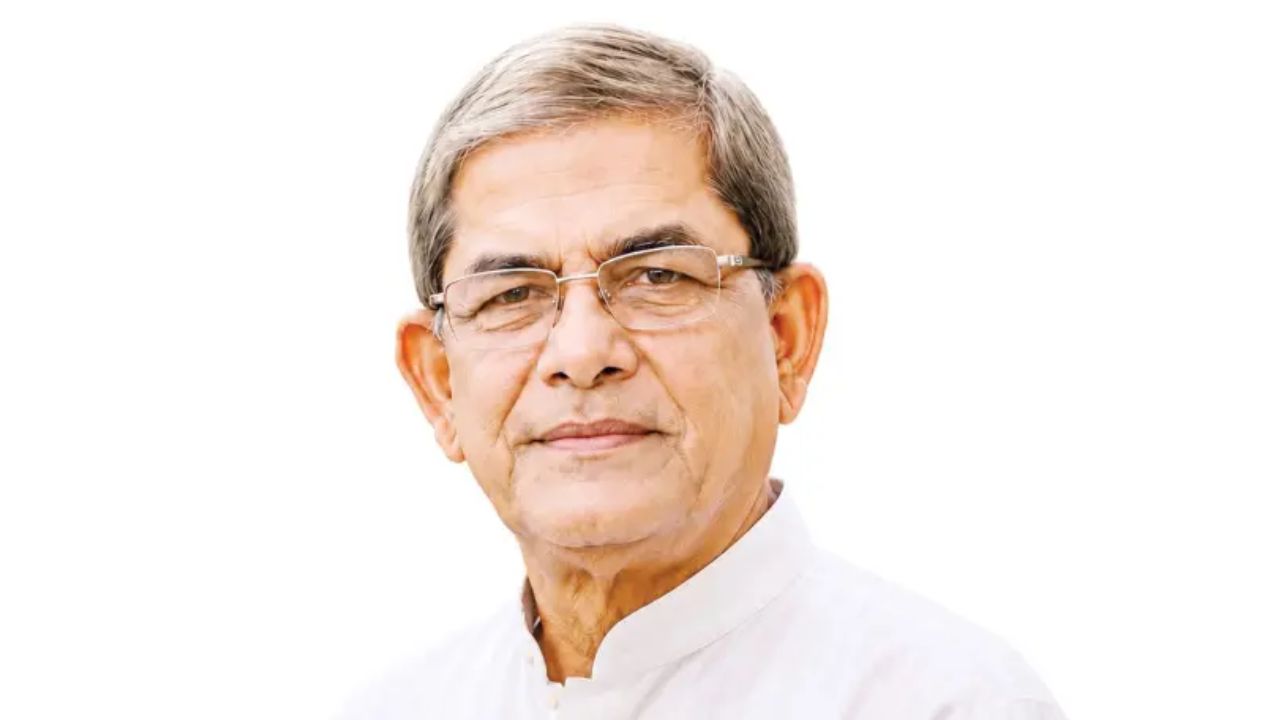
Prime Minister’s Foreign Affairs Adviser Humaiun Kobir said on Thursday that Tarique’s first visit to India should be a bilateral trip rather than a meeting on the sidelines of a multilateral event such as the BRICS summit or the UN General Assembly.
“The first visit should be bilateral,” he said, describing Bangladesh and India as two important neighbouring countries.
Speaking to private television channels at his office, Kobir said any visit should produce tangible outcomes and be based on mutual respect and meaningful engagement.
“There are issues related to the interests of the two countries, and these are not something to rush into,” he said. “When we see that the timing is right, we are willing to visit.”
He said further groundwork was necessary on several issues before the two sides could reach an understanding.
Kabir said Bangladesh had recently seen a more positive tone from India, along with a growing realisation in New Delhi that the 5 August events had deeply affected public sentiment in Bangladesh.
“If India truly means resetting relations, then it must realise today’s Bangladesh,” he said, adding that “in today’s Bangladesh, a terrorist like Sheikh Hasina or her party does not exist.”