Irish actor Nicola Coughlan has made her position on the upcoming ‘Harry Potter’ television adaptation clear, saying she will neither watch the series nor consider joining the franchise because of author JK Rowling’s views on transgender rights.
In a recent interview with The Observer, the ‘Bridgerton’ star said she would not be tuning in to the HBO series, despite having grown up loving Rowling’s books. “I will not be watching the new Harry Potter show and I would never be in it,” she said.
“Look, I know people that are involved in those shows, and they’re nice people and whatever, but it’s not for me,” Coughlan added, reports Deadline.

The 39-year-old actor also revisited Rowling’s earlier response to criticism from her and actor Pedro Pascal. After both spoke out against the author’s position on transgender rights, Rowling claimed she did not know who they were, writing on social media that she could not be bothered to look them up.
Reflecting on the remark, Coughlan told The Observer: “Me, I could believe. But Pedro Pascal? You know who Pedro Pascal is, girl. Like, please.”


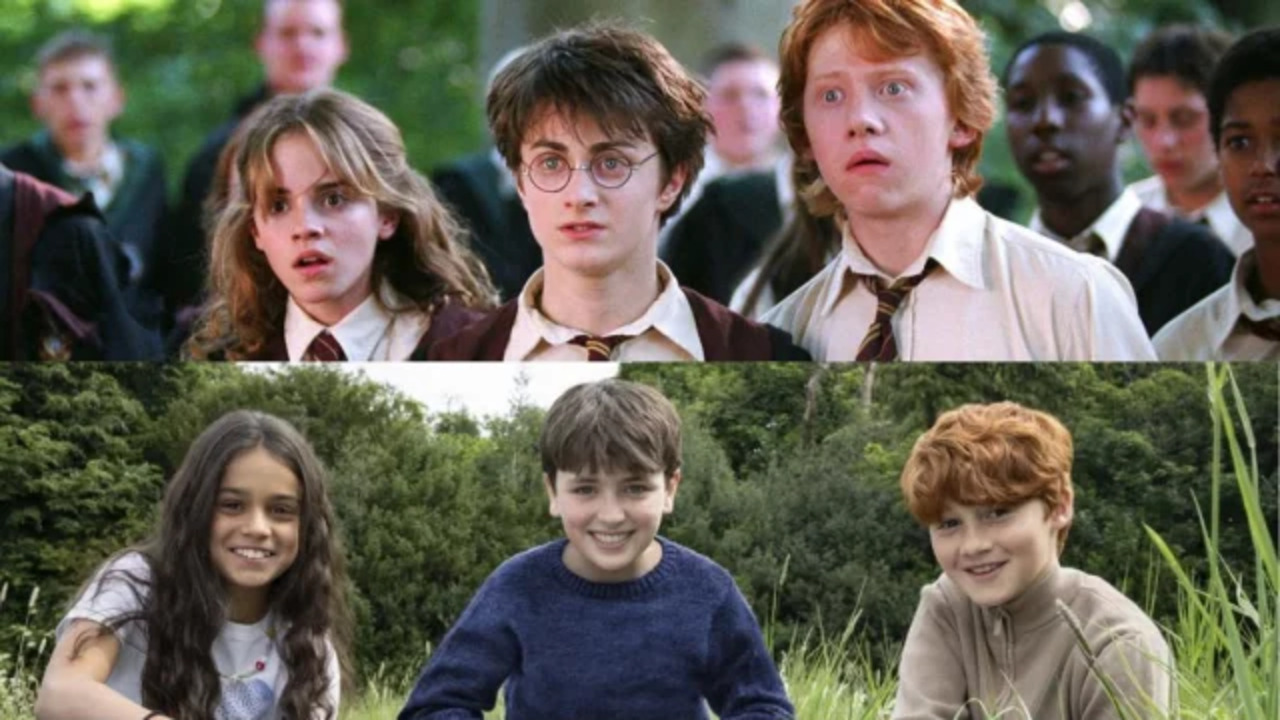

Coughlan had publicly criticised Rowling in April 2025, after the author celebrated a UK Supreme Court ruling concerning the legal definition of women under the Equality Act 2010. Rowling marked the decision with a social media post, prompting Coughlan to share an article criticising her response.
“Keep your new Harry Potter lads. Wouldn’t touch it with a 10ft pole,” the actor wrote at the time.
Rowling’s views on transgender rights have continued to fuel debate around the franchise, with several actors involved in the new adaptation facing questions about their association with the author.

Among them are John Lithgow, who plays Albus Dumbledore, and Paapa Essiedu, cast as Severus Snape. Both have addressed the controversy, with Lithgow describing Rowling’s views as “ironic and inexplicable”, while Essiedu has reiterated his support for the transgender community.
Rowling is involved in the HBO adaptation as an executive producer. The project has drawn criticism from people who argue that its commercial success could also benefit the author financially.