The Mujibnagar Memorial Complex, one of Bangladesh’s key sites commemorating the 1971 Liberation War, is facing severe neglect and vandalism, leaving visitors disheartened.
Once a bustling centre of national memory, the complex now stands largely deserted, its sculptures and exhibits in a state of ruin.
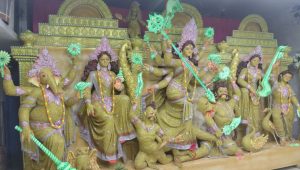
On inspection, many statues at the entrance, enclosed by iron barricades, were found broken or defaced. Figures depicting the historic 17 April 1971 oath-taking ceremony have suffered extensive damage. The statue of acting president Syed Nazrul Islam has a broken hand, while rifles held by Ansar members have been smashed.

The most severely damaged is the sculpture modelled after Bangabandhu Sheikh Mujibur Rahman’s 7 March speech, which was toppled and displaced by vandals.
Inside the Bangladesh map-themed installation, nearly 300 miniature statues illustrating the 11 sectors of the Liberation War have been destroyed, leaving broken parts and headless figures scattered.


Local sources say the destruction occurred in two separate attacks following political unrest in August 2024. Despite the passage of time, no visible restoration has taken place.
Abu Zafar, a visitor from Daulatpur in Kushtia, said: “I came to learn about the Liberation War, but seeing the site in disarray was deeply disappointing.” Local resident Sohanur Rahman added: “Once, the memorial drew crowds and hosted fairs. Now, there is nothing but destruction, so visitors do not come.”
Abul Hashem, an Ansar member assigned to security at the site, said the damage occurred before their deployment, and no restoration work has yet begun.
Meherpur Public Works Department engineer Jamal Uddin stated that repairs would commence once directives and funding are received from higher authorities.
Residents and historians have expressed outrage at the state of this nationally significant monument and called for urgent restoration to return Mujibnagar memorial to its former glory.