There was a time when no wedding in Bangladesh truly began until the band party arrived. Long before the bride stepped onto the stage or the groom’s procession reached the venue, the streets would fill with the booming sound of brass trumpets, rolling drums, and flashing uniforms stitched with gold and silver embroidery.
Children ran behind them, neighbours leaned over balconies to watch, and entire neighbourhoods knew a celebration was underway.
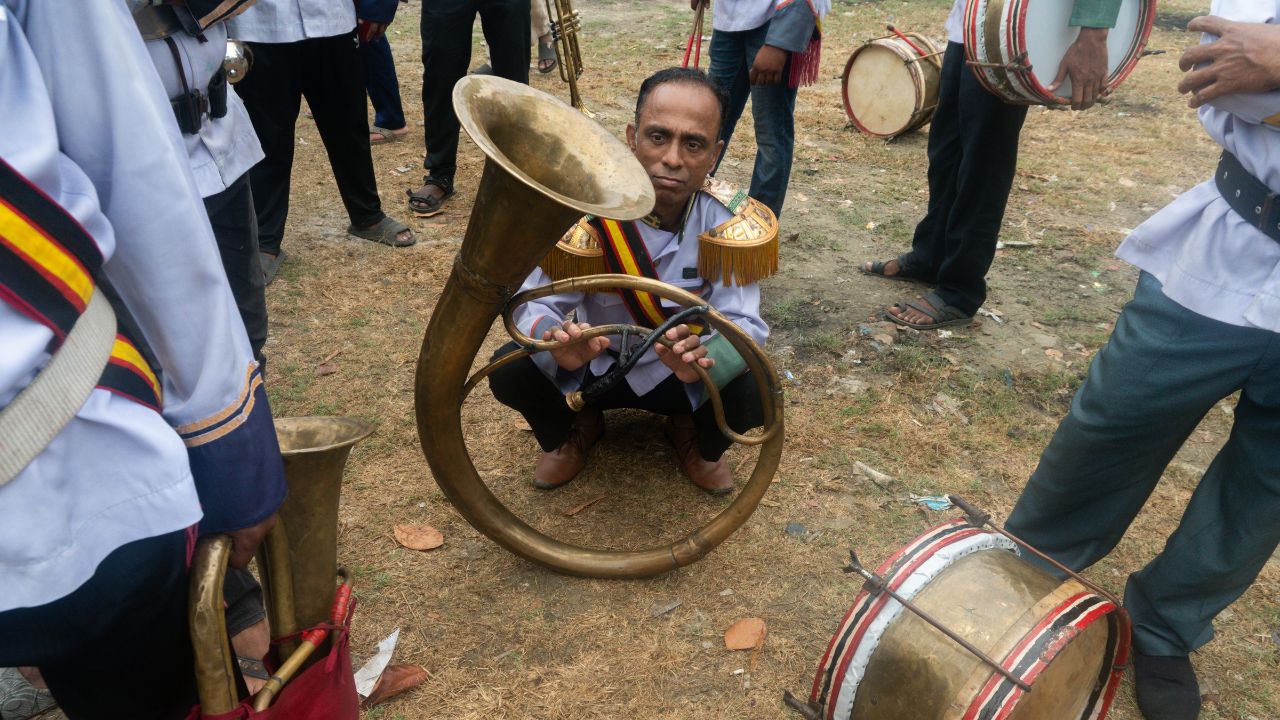
Today, that once-familiar sound is fading. The traditional band party, once an essential part of weddings and festive gatherings across the country, is slowly disappearing under the weight of changing trends, shrinking demand, and economic uncertainty.

DJs, curated playlists, and quieter indoor ceremonies have replaced many live musical processions. For the musicians who built their lives around this craft, the silence has become deeply personal.
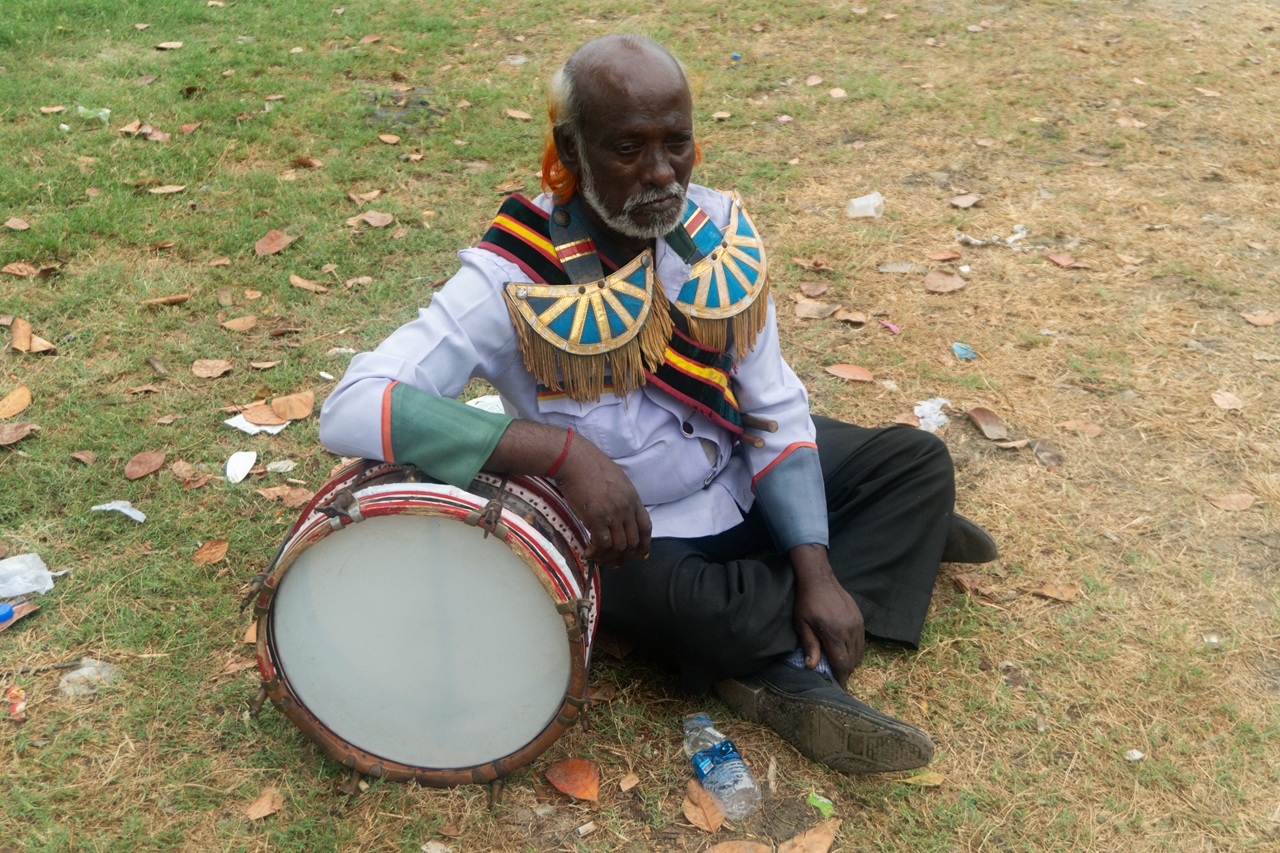
The Bangladesh Band Party, a group made up of Asgar, Mohammed Sahid, Mohammed Parvez, and Mohammed Humayun, knows this reality all too well. For the past three months, the musicians have remained without regular engagements.



Weddings were postponed, cultural events became fewer, and the phones that once rang constantly have largely stayed quiet.
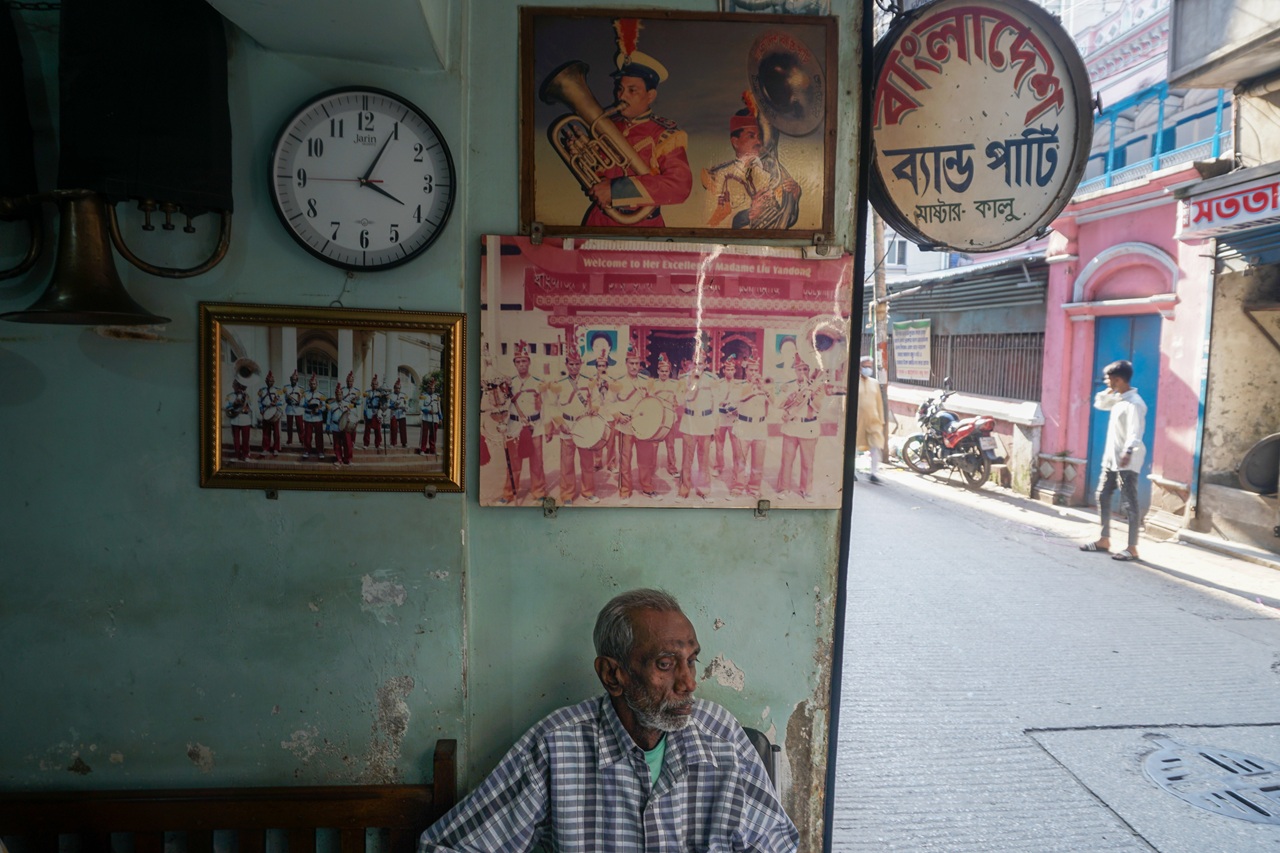
“We are maintaining our families from our own pockets now,” one member said softly. Without a steady income, survival has become improvisation. Some members now take temporary jobs, run small businesses, or perform occasional freelance work to support their households.
The band gathers only when a rare booking arrives. Yet despite the uncertainty, they still preserve their uniforms, polish their instruments, and rehearse whenever possible, waiting for the next season of celebrations to return.
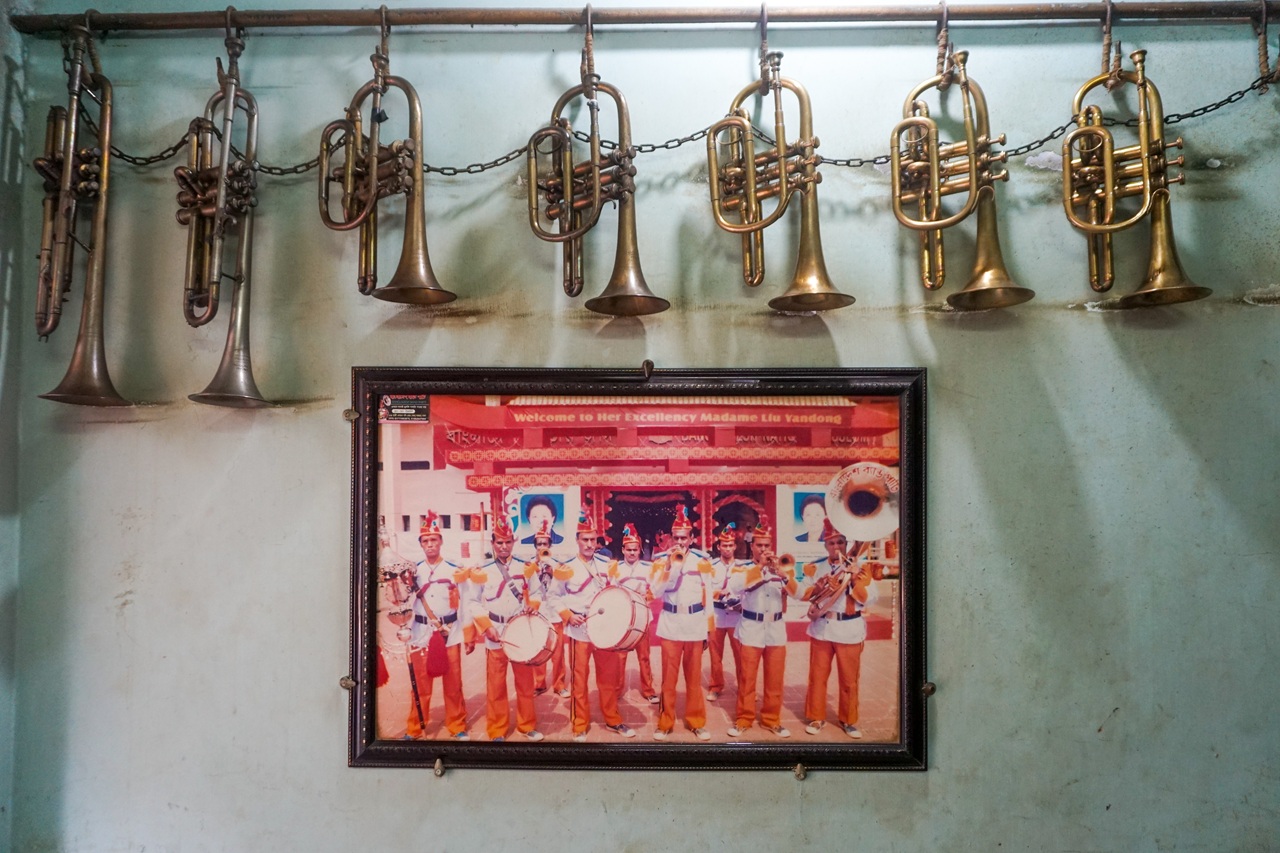
For many of these musicians, band performance is more than entertainment. It is heritage, identity, and memory. Generations of performers learned their craft by marching through crowded streets, carrying melodies that became inseparable from Bangladeshi weddings and community celebrations.
Their struggle also reflects the fragile reality faced by many informal performers in Bangladesh. Most work without contracts, social protection, or institutional recognition. A cancelled event can instantly erase an entire month’s earnings.
Still, the members of the Bangladesh Band Party remain hopeful. They believe better event management, cultural support, and recognition for live performers could help preserve an art form that once defined celebration itself.
Perhaps, somewhere in the distance, the drums may yet begin again.