Millions of Iranians are rationing electricity as authorities impose rolling power cuts of about two hours a day from Sunday, with a punishing winter looming. The energy crisis, which is compounding the country’s economic battering, has deepened after months of a US naval blockade of Iranian ports, biting sanctions and strikes on energy infrastructure.
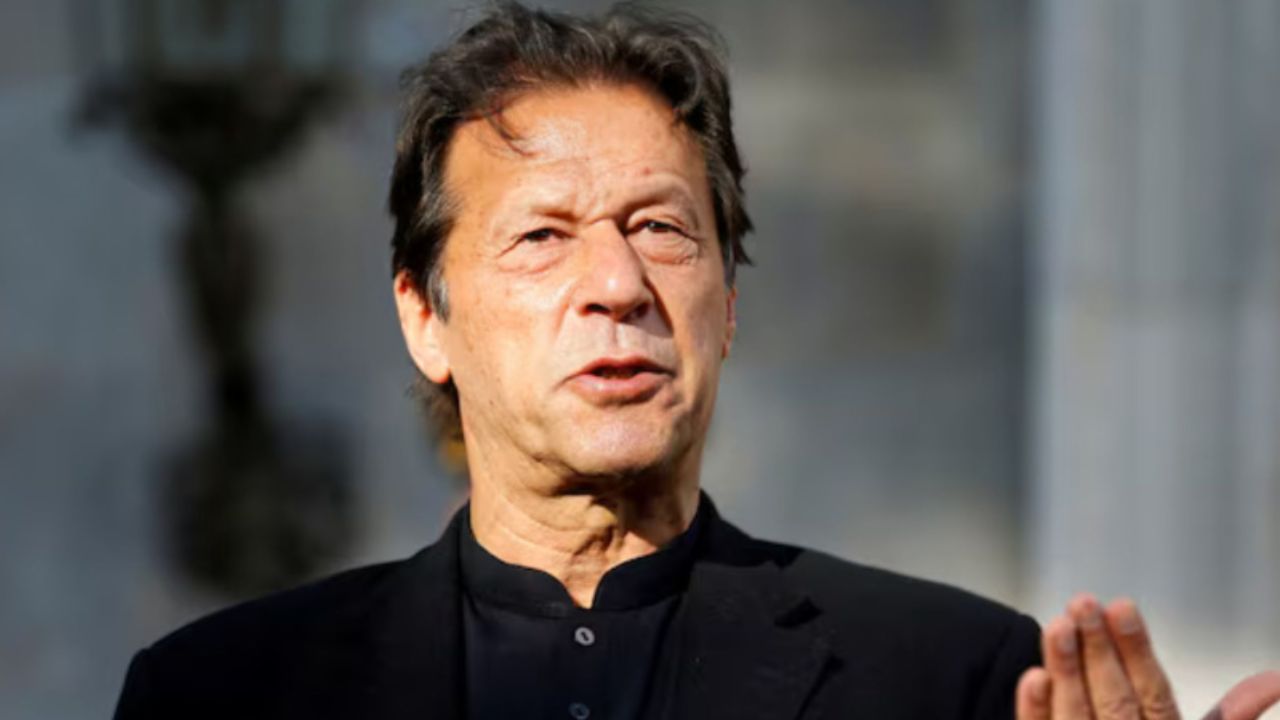
President Masoud Pezeshkian has asked millions of Iranians to conserve power. In a televised interview with state broadcaster IRIB at his office on Tehran’s Pasteur Street, he wore a blue jacket against the cold and sat under a table lamp, with the chandeliers off and the curtains drawn back to let in daylight.
Iran suffered gas shortages and power cuts even before the United States and Israel jointly attacked Tehran and nuclear facilities across the country on 28 February. Government spokeswoman Fatemeh Mohajerani warned last week that the gas shortfall could reach 430 million cubic metres a day this winter, compared with about 300 million in previous years.
National Iranian Gas Company managing director Saeed Tavakoli said four processing plants were damaged in the first phase of the conflict, initially cutting capacity by 230 million cubic metres, of which about 100 million has been restored. The company has warned that 11 of Iran’s 31 provinces could face supply difficulties this winter.

Mohammad Allahdad, head of the national electricity company Tavanir, told state TV that the electricity sector would be forced to impose distribution restrictions from Sunday because of the country’s fuel supply conditions.
Iran’s power plants supply 92 million people, and about 86 per cent of the country’s electricity usually comes from natural gas. Some gas-fired stations switch to diesel or fuel oil when supplies are tight.




Energy Minister Abbas Aliabadi said in August that power plants had lost 4,200 megawatts of capacity in war-related attacks, with repairs under way, while fuel shortages are worsening.
Politicians say electricity shortages have resulted in about 600,000 job losses because of reduced industrial output during the US-Israel war. Parliamentarian Nasrollah Pejmanfar told the Khaneh Mellat News Agency (ICANA) on 21 November that more than one million workers could lose their jobs if natural gas shortages continue.


Prices are climbing steeply. For the Iranian month of Mehr (23 September to 22 October), the Statistical Centre of Iran put the 12-month average annual inflation rate at 76.8 per cent, with point-to-point inflation at 88.7 per cent. Essential goods have faced triple-digit inflation for months, and food, beverages and tobacco rose 113.4 per cent year on year in October.

Pezeshkian told a group of investors and producers on 21 November that Iran faces a “silent economic war” that is “tougher than a war with missiles”, according to the state news agency IRNA. Economist Mohammad Reza Farzanegan expects the economy to shrink by about 7 per cent in 2026, after a 2025 that was also just below zero, calling it the sharpest contraction since the end of the Iran-Iraq War.
The Trump administration says Operation Economic Outcast, which sanctions those who do business with Iran, will force concessions from an unrelenting Tehran. Farzanegan blames more intense sanctions combined with a physical trade embargo, war damage and uncertainty. The US naval blockade has hit oil revenues, leaving budget deficits because spending has not fallen in proportion and large energy subsidies are hard to cut.
Analysts say there is little Iran can do without sanctions relief and renewed access to global investment and finance. Officials including Pezeshkian said last week they were working to prevent power cuts, yet the announcement came this week. Iran has refused to bow to Washington’s demands to end the war, now at an impasse.