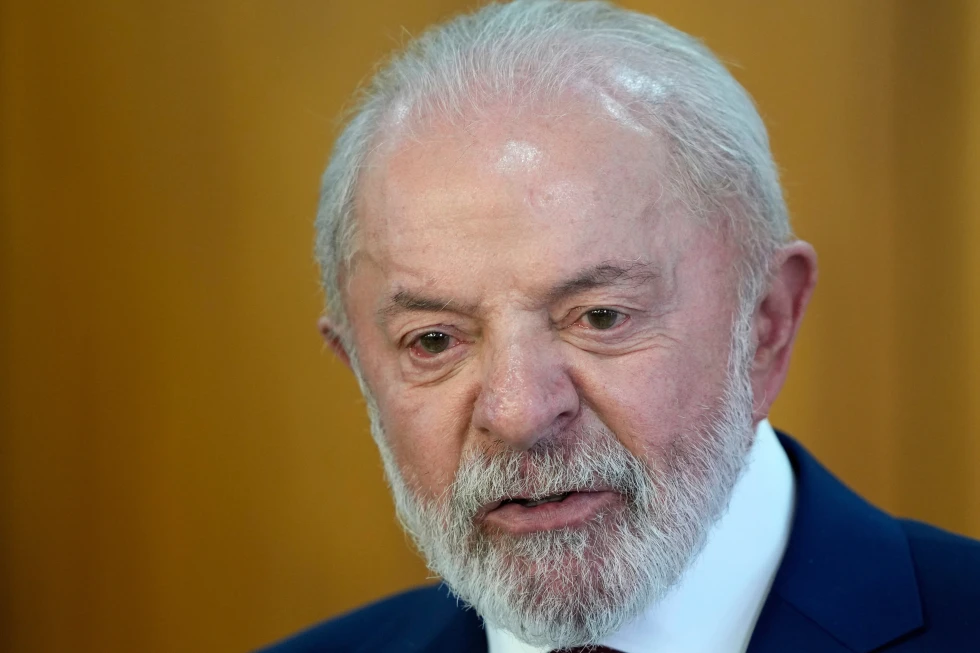



Brazilian President Luiz Inácio Lula da Silva on Sunday criticised US’s decision to levy a 50 percent duty on Brazilian exports, describing the measure as “political” and “illogical.”
In an opinion piece for the New York Times, Lula said that while his administration is open to dialogue that produces shared benefits, “Brazil’s democracy and sovereignty are not on the table.”
The tariff was imposed by US President Donald Trump in July, who linked it to what he termed a “witch hunt” against Brazil’s ex-president Jair Bolsonaro. Bolsonaro had been facing accusations of attempting to cling to office illegally, reports AP/UNB.

Those proceedings concluded on Thursday when Brazil’s Supreme Court ruled that Bolsonaro sought to overturn the results of the 2022 election, which he lost to Lula. The verdict has raised concerns in Brazil about the possibility of more US penalties.
Lula welcomed the ruling, saying he was proud of the court for its “historic decision” that protects democratic institutions.




He rejected Trump’s characterisation, stating it was not a “witch hunt.” Lula added, “(The ruling) followed months of investigations that uncovered plans to assassinate me, the vice president and a Supreme Court justice.”
The president also argued that the tariff increase was “not only misguided but illogical,” noting that the United States had amassed a $410 billion trade surplus with Brazil in goods and services over the last 15 years.
After Thursday’s judgment, US Secretary of State Marco Rubio warned on X that Trump’s administration “will respond accordingly.”
In response, Brazil’s Foreign Ministry denounced the comment as an unacceptable threat, stressing that the judiciary operates independently and that Bolsonaro received due process.
Thursday’s sentence doesn’t mean that Bolsonaro will immediately go to prison. The court has 60 days to formally release its ruling, after which his legal team will have five days to seek clarification. His lawyers have indicated they intend to challenge both the conviction and the punishment before the full Supreme Court, though experts view the chances of success as slim.