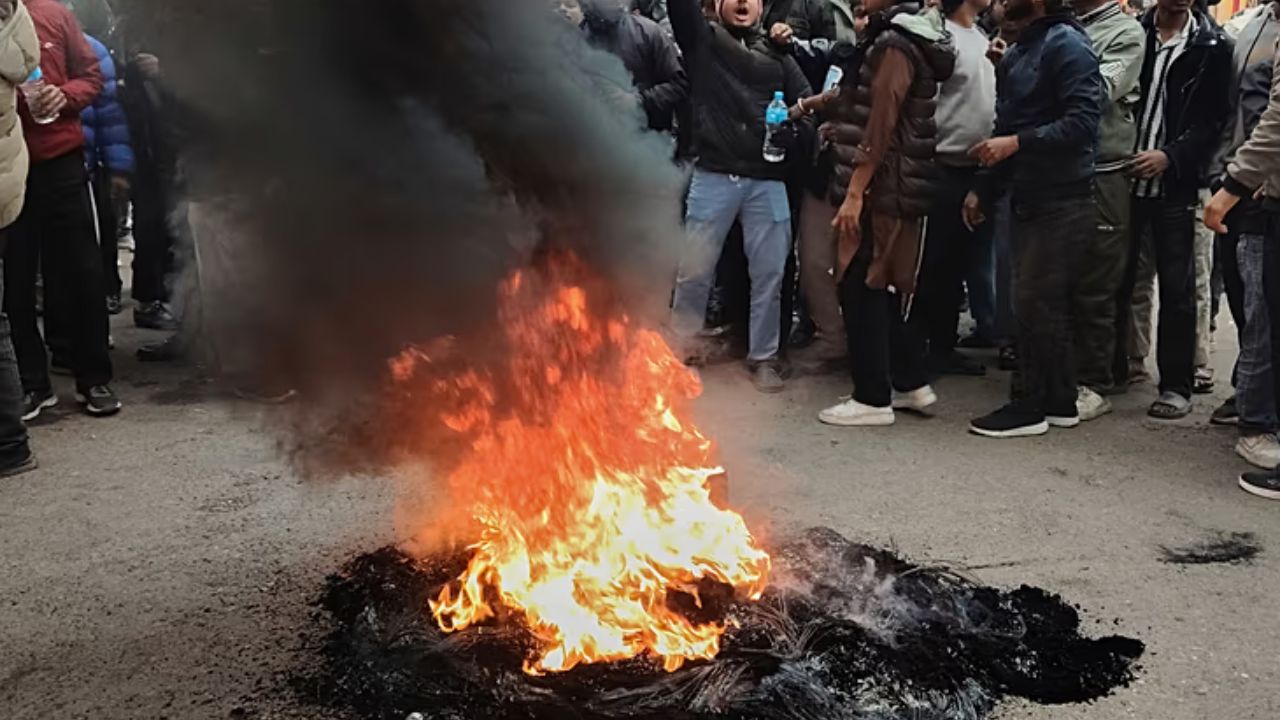



A two-day public hearing and consultation was held in Kolkata to examine the growing incidents of violence, persecution and discrimination against religious minorities in West Bengal.
Legal experts, researchers, representatives of civil society, specialists and student activists participated in the programme, raising concerns over the protection of constitutional rights and equal citizenship.
On the first day, 2 November, the People’s Tribunal, constituted to investigate attacks on the Christian community, expressed serious concern over what it described as systematic and repeated attacks on Christian homes and places of worship across the state.
The tribunal strongly criticised police inaction and demanded prompt legal action against those responsible.

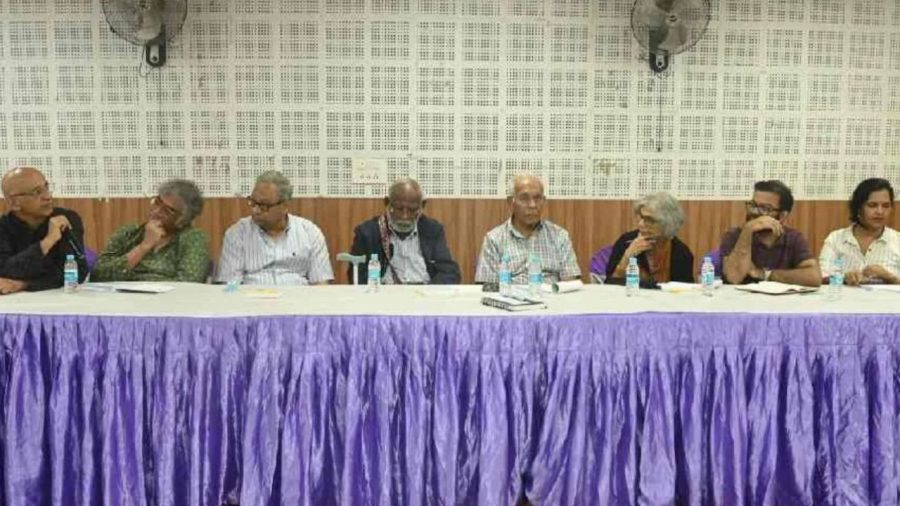
The hearing was jointly organised by Karwan-e-Mohabbat, Sabar Institute and Amra Ek Sachetan Prayash at the Muslim Institute in Kolkata. Evidence and eyewitness accounts relating to nearly 60 incidents, including hate crimes, sexual violence and mass violence, were documented during the proceedings.
The participants highlighted growing polarisation in West Bengal following the BJP’s rise to power and presented accounts of violence reported in different districts during 2024, 2025 and 2026.


An eight-member jury comprising Harsh Mander, Jawhar Sircar, Wajahat Habibullah, John Dayal, Tanika Sarkar, Aakar Patel, Vidya Dinkar and Omair Khan heard testimonies from victims, church representatives and human rights activists.
The jury expressed deep concern over allegations of obstruction of prayer meetings, vandalism of churches, attacks on priests, social boycotts and attempts to impose religious practices by force. It also raised questions over the administration’s failure to ensure the safety and security of religious minorities.
A press conference was held at the Kolkata Press Club on Tuesday, where speakers highlighted continuing attacks and alleged harassment of Christians and other minority communities in West Bengal. The discussion focused on measures needed to protect the rights, security and dignity of religious minorities.
Information presented by Sabar Institute highlighted the alleged discriminatory impact of the Special Intensive Revision (SIR) process on Muslims, particularly concerns over the possible exclusion of members of the community from electoral rolls.

Experts and student representatives also raised issues concerning alleged forced deportations in border areas, violence against Muslims, mob lynching and institutional discrimination.
The two-day programme emphasised the need to stop targeted violence against religious minorities, ensure accountability for perpetrators, and uphold constitutional safeguards and equal citizenship rights.
Participants also stressed the importance of wider social participation, collective action and proper documentation of incidents to eliminate discrimination and protect the dignity of marginalised communities.