In the green, quiet heart of Kerala’s Malappuram district lies Kodinhi — a village that at first looks ordinary. Narrow lanes, small homes, and everyday rural life stretch under the southern Indian sun.
But that first impression does not last long.
As you walk through Kodinhi, something unusual begins to repeat itself. Identical faces appear again and again. Children walk in pairs. Adults who look exactly alike pass by like reflections.
In this village, twins are not rare exceptions. They are part of everyday life.
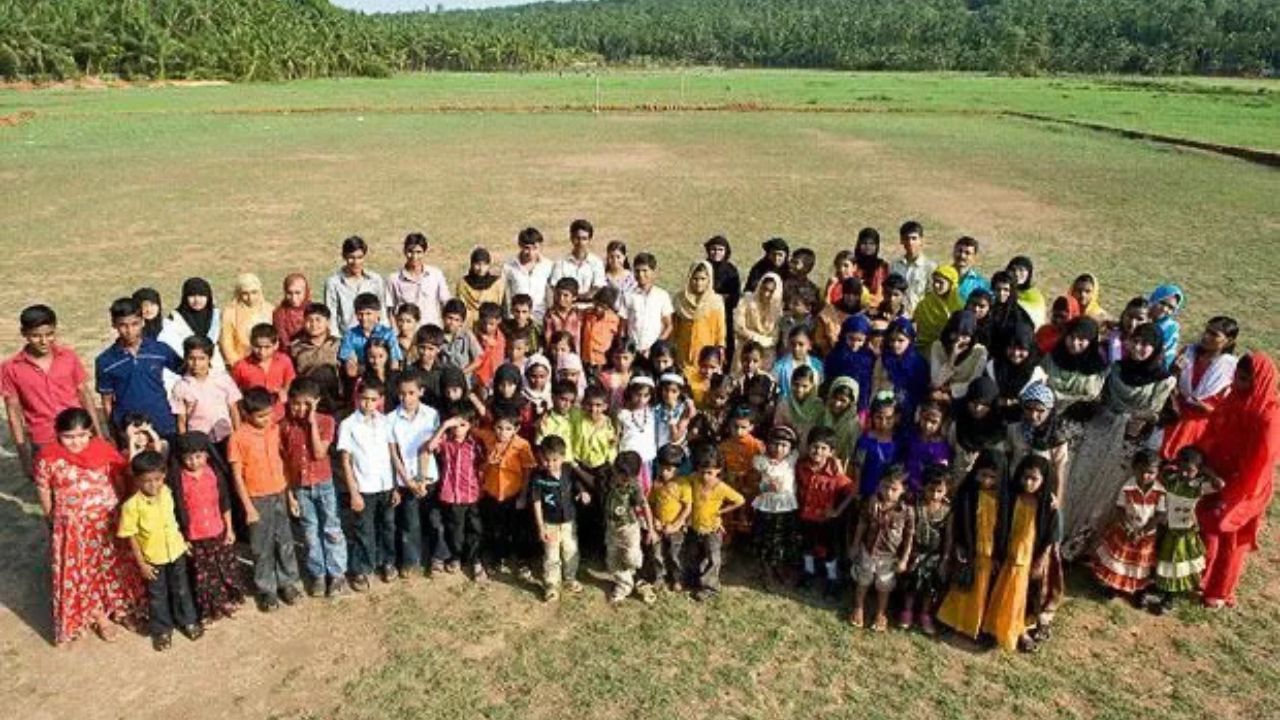
Kodinhi is now globally known as India’s “Twin Town”, where nearly 20 percent of the population are twins. In a country that records one of the lowest twin birth rates in the world, the village stands as a striking demographic anomaly.
A village back in global spotlight
Kodinhi has recently returned to international attention after a widely shared advertising campaign by e-commerce platform Flipkart.
The campaign creatively built on the village’s identity, imagining a world where everything exists in pairs. It used Kodinhi’s real-life phenomenon as a metaphor for “double” value and “double” offers.

The campaign’s humour and storytelling gained strong appreciation online, with many social media users praising its originality.
The numbers that define Kodinhi
The scale of Kodinhi’s twin phenomenon remains its most striking feature.
In a village of around 2,000 families, there are an estimated 400 to 550 pairs of twins. Studies report that the twin birth rate here ranges between 42 to 45 per 1,000 births. This is far higher than India’s average of around 4 to 9 per 1,000 and significantly above the global average of about 8 per 1,000.
The pattern has remained consistent for at least six to seven decades, with new twin births recorded every year.
Between 2011 and 2016 alone, around 60 pairs of twins were born in just five years. By 2016, records showed about 204 pairs of twins (around 408 individuals), along with two sets of triplets.




Around 79 of these twin pairs were under 10 years old.
Locals also report an unusual pattern: women born in Kodinhi who move elsewhere after marriage often still give birth to twins. This has deepened the mystery and strengthened the idea of a genetic or epigenetic influence that travels with them.
A mystery science has not solved
Despite repeated studies by Indian and international researchers, the reason behind Kodinhi’s unusually high twin birth rate remains unknown.
Scientists have explored environmental causes, including water composition and local diet. But no consistent trigger has been found.
Unlike Nigeria’s Igbo-Ora, where yam consumption is linked to higher twin births, Kodinhi shows no such dietary explanation.
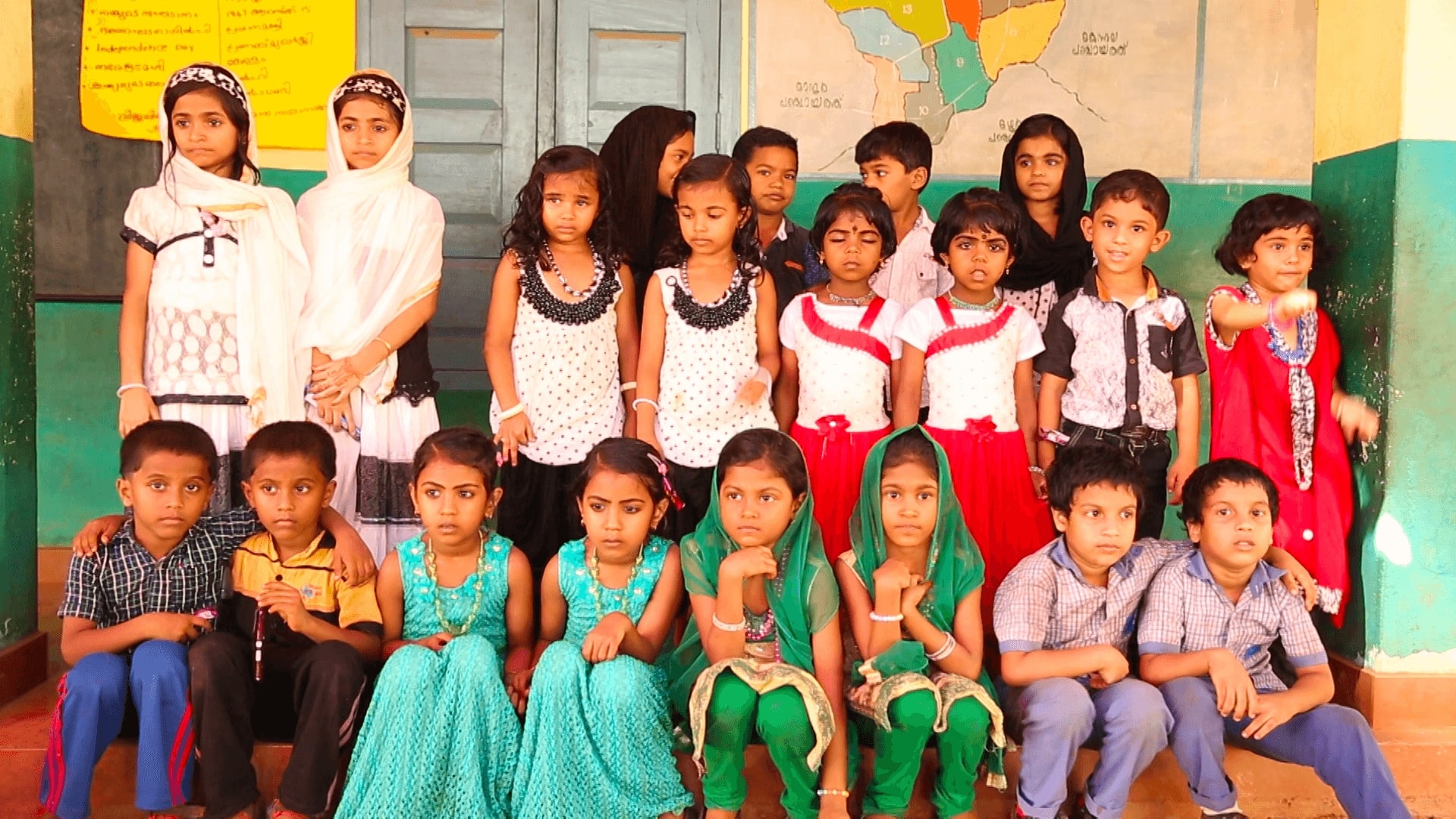
Genetic research has also been inconclusive. Scientists are still searching for a gene that could increase the likelihood of multiple ovulation, but no specific gene has been identified.
Studies have further ruled out pollution, chemical exposure, lifestyle patterns, and other environmental factors as causes.
Even after decades of investigation, no single explanation has survived scientific scrutiny.
A belief beyond science
For many residents, the explanation does not lie in laboratories.
Twins are seen as a blessing. Many locals believe the phenomenon is the result of divine favour or a special quality of the land itself.
These beliefs exist alongside ongoing scientific curiosity.
The mystery, for the community, is not a contradiction — it is part of identity.
A community built around twins
In 2008, the villagers formed the Twins and Kins Association (TAKA).
The organisation helps track twin births, supports families, and works with researchers studying the phenomenon. It has become a structured way for the village to document and understand its unusual identity.
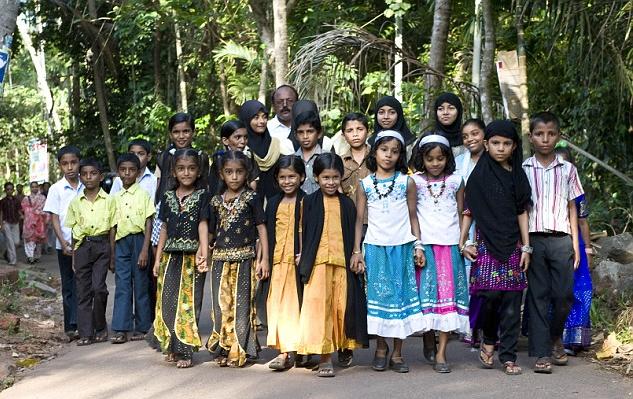
Kodinhi’s identity has also entered modern popular culture.
Kodinhi remains a place where science, belief, and everyday life coexist without resolution.
Twins grow up side by side, walk the same paths, and mirror each other through generations. For scientists, Kodinhi remains an open question in human biology. For the world, it is a rare demographic wonder. For its residents, it is simply home.