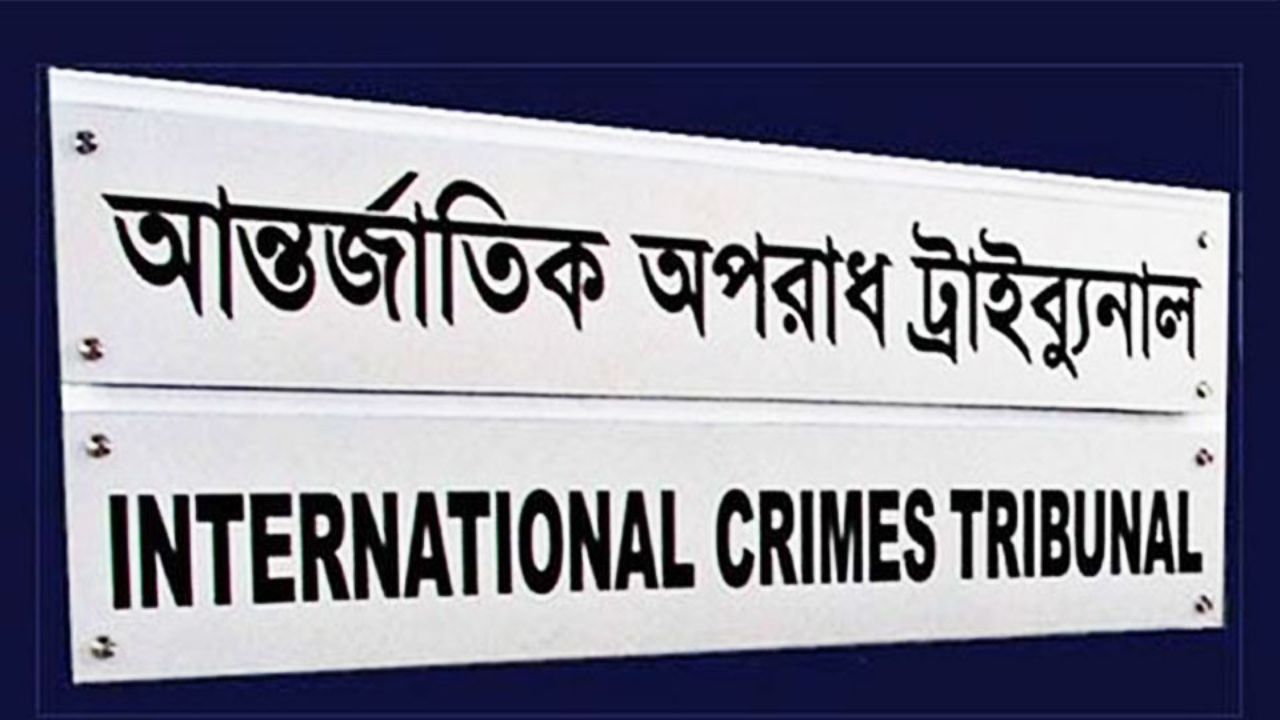



Three journalists, including former National Press Club general secretary Shyamal Dutta, have been ordered to appear before the International Crimes Tribunal on 24 August in a case over alleged crimes against humanity linked to the suppression of the July mass uprising.
The other two are Mozammel Babu and Farzana Rupa.
International Crimes Tribunal-2 issued production warrants for the three on Monday following a prosecution petition. All three are currently in jail in separate cases.
Prosecutor Faruk Ahmed told the tribunal that Dutta, Babu and Rupa, along with others, allegedly incited the suppression of the July uprising.

He said the International Crimes (Tribunals) Act treats incitement to commit crimes as an offence and that the investigation agency had found information allegedly linking the three journalists to the case.
As they are already in custody in other cases, the prosecution sought production warrants to bring them before the tribunal in connection with the allegations.


According to prosecution sources, Rupa and Babu are in custody following a tribunal order in the Shapla Chattar mass killing case. Dutta is also in jail following a lower court order in a case related to the July mass uprising.
Later, prosecutor Gazi MH Tamim told reporters that several journalists had allegedly incited crimes during a press conference held by then-prime minister Sheikh Hasina at Ganabhaban on 14 July 2024.
He alleged that questions asked by some journalists went beyond their professional duties and were intended to provoke the then-prime minister into making certain statements.
Tamim alleged that following those remarks, Hasina referred to protesters as “Razakars”, “children of Razakars” and “grandchildren of Razakars”.
Asked whether asking questions at a press conference could constitute a crime, Tamim said it could not, as asking questions was part of a journalist’s professional responsibility.
He alleged, however, that some journalists who regularly attended the then-prime minister’s press conferences had made comments that went beyond asking questions, including praising her and making provocative suggestions intended to elicit particular responses.
The prosecution alleges that crimes were subsequently committed following such statements and suggestions, and has sought to bring the three journalists before the tribunal to face the allegations.