For years, Bangladesh Jamaat-e-Islami has tried to wear the badge of a ‘moderate Islamist party,’ especially when it seeks wider electoral acceptance. The party claims it believes in ballots over bullets, social welfare over confrontation, and gradual reform within a democratic framework. In every election cycle, this rebranding effort resurfaces, aimed particularly at younger voters and the urban middle class. Yet moderation is not judged by slogans or press statements. It is judged by conduct, consistency and respect for equal citizenship. On that count, Jamaat’s recent posture towards women exposes a deep and damaging double standard.
Publicly, Jamaat presents itself as a champion of women’s safety. Party leaders speak of harassment, insecurity and moral decay, framing Jamaat as the force that will protect women in public spaces and workplaces. These statements are carefully calibrated for a society where women make up nearly half of the electorate and where women’s participation in education, labour and politics has grown steadily over decades.
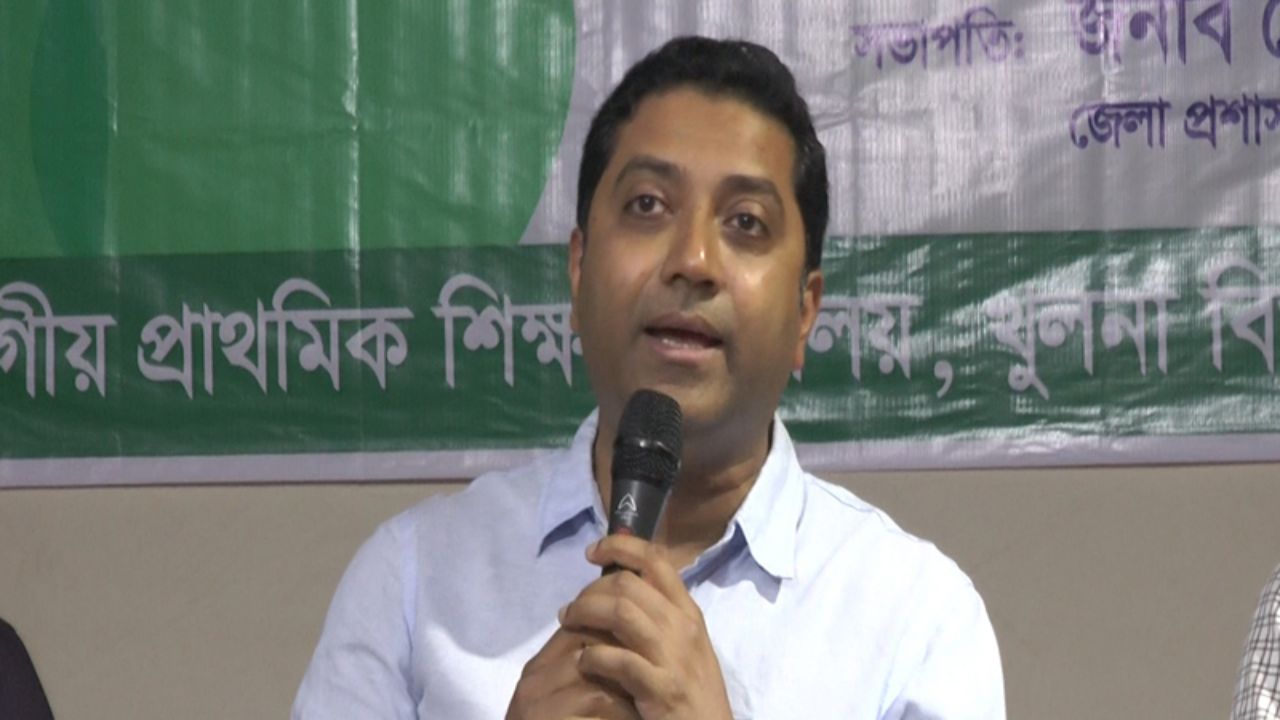
But parallel to this rhetoric runs another, harsher message – one that treats women not as equal political actors but as subjects to be judged, controlled, and kept away from authority. The contradiction became stark when comments attributed to Jamaat leaders, including party chief Shafiqur Rahman, circulated suggesting that women should not hold leadership positions in the party and implying moral suspicion towards ‘working’ or ‘modern’ women. Even when Jamaat sought to distance itself from the language by blaming hacking or misinterpretation, the damage was already done. The words resonated because they aligned with what many critics have long argued that Jamaat’s worldview places women’s obedience above women’s equality.
This is not a communications slip. It is a political problem. A party cannot plausibly claim to defend women while simultaneously denying them leadership, dignity, or equal status. Protection without equality is not moderation; it is paternalism. Safety framed as moral supervision rather than rights is not empowerment; it is control.

Jamaat’s stance suggests that women are welcome as voters and supporters, but not as decision-makers or leaders. That hierarchy sits uneasily with the lived reality of Bangladesh, where women lead factories, universities, media houses, banks, courts, and even the government.
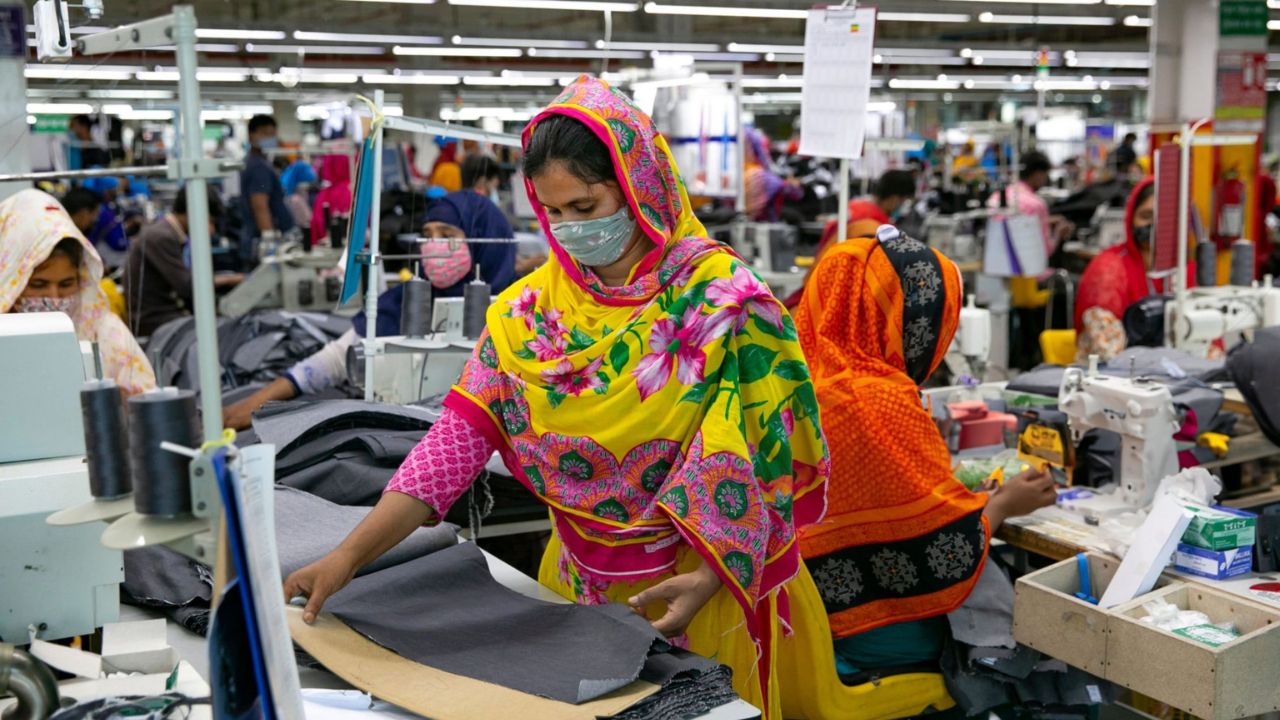
The electoral implications are unavoidable. Women voters in Bangladesh are not a marginal bloc. They are decisive in both urban and rural constituencies. Many may be conservative in personal belief, but that does not mean they accept public humiliation or political exclusion. When a party’s leadership language appears to demean women’s work or question their moral legitimacy in public life, it risks alienating millions of voters who see their own lives reflected in those remarks. A garment worker, a schoolteacher, a nurse, a small entrepreneur, or a civil servant does not need a lecture on virtue from a party that refuses to trust women with authority and plans to restrict them within the walls.


Jamaat’s defenders argue that the party’s positions are rooted in religious interpretation and cultural values. But moderation in a democratic context is precisely about how such interpretations are translated into public policy and political behaviour. Many religiously inspired parties around the world have evolved by reconciling faith with gender equality in law and leadership. Jamaat has not convincingly done so. Instead, it oscillates between courting women’s votes and policing women’s roles, between inclusive language and exclusionary ideology.
The double standard also raises a deeper question about sincerity. If Jamaat truly believes women deserve dignity, why does that dignity collapse the moment leadership is discussed? If women’s safety is a priority, why is their political agency treated as a threat? These contradictions weaken the party’s claim to moderation more effectively than any opponent’s attack.
The contradiction becomes even harder to defend when Jamaat’s own political history is recalled. The party did not reject women’s leadership when it suited its path to power. Ahead of the 2001 general election, Jamaat joined an alliance that accepted a woman as its undisputed leader and later entered government under the premiership of Khaleda Zia. At no point did Jamaat declare then that female leadership was ‘impossible’ or religiously unacceptable. If women’s leadership was permissible for coalition arithmetic and cabinet power, why is it now portrayed as morally forbidden?
That selective morality raises uncomfortable questions Jamaat leaders have avoided answering. Do the party’s strictures apply to their own wives, daughters and sisters who work in schools, hospitals, banks, factories, NGOs, media houses, and offices? Are women activists expected to mobilise votes but remain invisible in authority? Jamaat owes voters clarity. Without it, its position appears opportunistic.
Front-page politics is ultimately about power. And power in a democracy flows from voters. Jamaat may hope that discipline, organisation, and religious appeal will outweigh backlash. But it is a risky gamble to assume that half the electorate can be lectured, limited or insulted without political cost.
In a country where women have repeatedly shown resilience, ambition and electoral weight, the question is no longer abstract. Can Jamaat really expect to win votes while dishonouring the very women whose ballots it needs?
The writer is the Editor, Special Affairs, Daily TIMES of Bangladesh