





In the remote jade hills of northern Myanmar, one of the country’s most brutal battles is raging once again. The junta has unleashed a sweeping ground and air campaign across Kachin State’s Hpakant Township — the world’s jade capital — in an effort to claw back control of territory seized months ago by the Kachin Independence Army (KIA) and allied resistance fighters.
Columns of troops from the regime’s notorious 33rd Light Infantry Division, backed by Min Zin Thant’s Warazup militia, are advancing through the lush mountains toward the strategic Mawmawbwan and Lemaungkon hills, and Sainhtawng Village, according to frontline sources. Airstrikes roar overhead while pounding resistance positions that have held firm since August.
For the junta, reclaiming these hilltops could shift the tide of war in northern Myanmar. Military analysts say the twin peaks of Lemaungkon and Mawmawbwan overlook much of Hpakant, granting whoever controls them a commanding view — and with it, control — of the jade-rich basin below.
“If they capture both hills, they’ll dominate the entire area,” said one resistance fighter on the front line. “Losing them would mean starting from zero.”
The KIA and its allies seized Lemaungkon Hill on August 15, 2024, turning the former junta outpost into a fortress. It has since become a critical node in the resistance’s defensive network — and a symbol of Kachin defiance.
“Lemaungkon used to be one of their strongest bases,” said Colonel Naw Bu, spokesman for the KIA. “It gives a sweeping view over all of Hpakant. That’s why the military is desperate to take it back.”
Whether junta columns have yet reached the mountain’s slopes remains uncertain. But the offensive — launched in April 2025 after months of reinforcement along the Myitkyina–Kamaing–Hpakant road — marks one of the most determined efforts by the regime to reclaim the region since the 2021 coup.
Behind the bloodshed lies a deeper motive: money. Hpakant’s jade mines, long the lifeblood of Myanmar’s shadow economy, are a vital revenue stream for the KIA and other armed groups. By seizing Hpakant, the junta aims not only to regain ground but also to choke off the resistance’s finances.
“This isn’t just about territory,” said Shaba, a Kachin political analyst. “It’s about control of jade — the money that fuels the war. The regime knows whoever controls Hpakant controls the cash.”
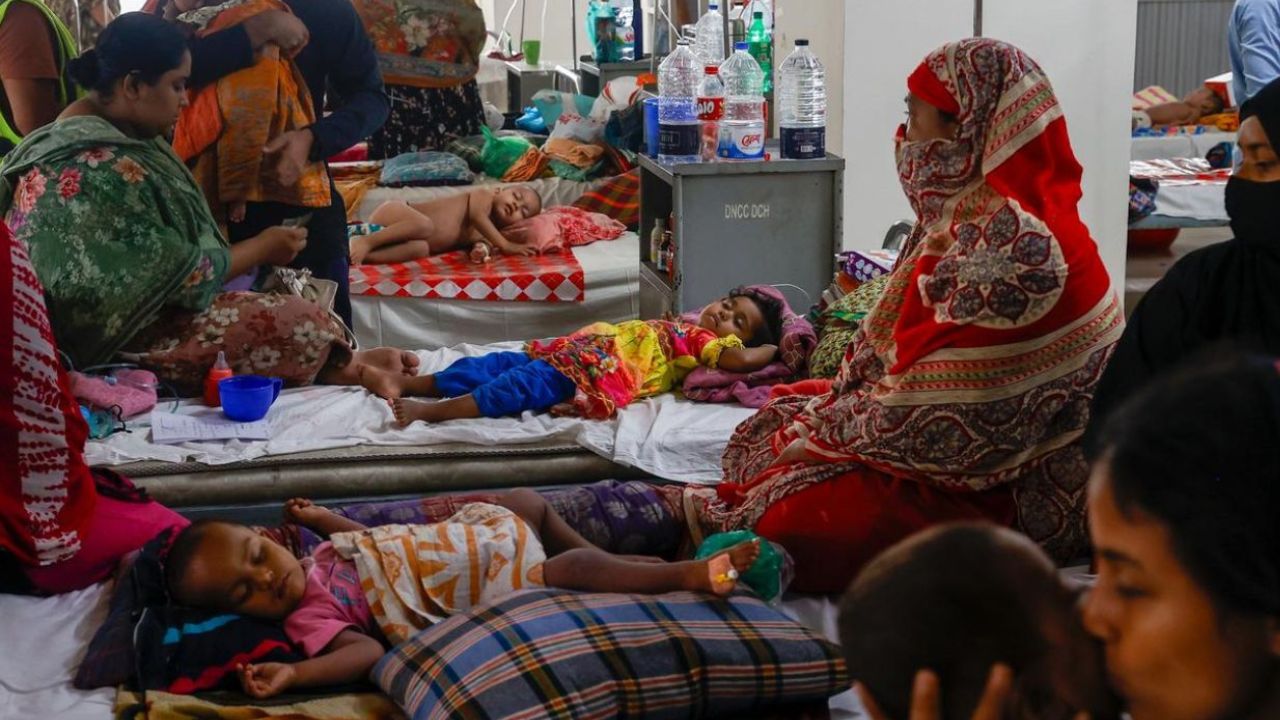
As airstrikes light up the night sky through the valleys, thousands of civilians remain trapped in the crossfire — miners, traders, and families living in the shadow of Myanmar’s most valuable hills.
The battle for Hpakant has become more than a fight for land. It is a fight for power, wealth, and survival — the shimmering green heart of Myanmar’s war economy now turned into a battlefield of fire and stone.


