Iran warned that crude prices could surge to $200 per barrel as its military targeted commercial vessels on Wednesday.
At the same time, the International Energy Agency urged a large-scale release of strategic oil reserves in an effort to ease what it described as one of the most severe disruptions to global energy supplies since the 1970s, reports Reuters.
The conflict, which began almost two weeks ago after coordinated airstrikes by the United States and Israel, has so far resulted in about 2,000 deaths, most of them in Iran and Lebanon. As the conflict has expanded into Lebanon, it has also triggered major turmoil in international energy markets and global transportation networks.

Even as the Pentagon described the latest wave of bombardment as the heaviest since the conflict began, Iran launched new strikes on Israel and other locations across the Middle East on Wednesday, signaling that it still retains the capacity to respond.
On the same day, reports indicated that three vessels had been struck in Gulf waters. Iran’s Revolutionary Guards said their forces had opened fire on ships in the Gulf that failed to follow their directives.




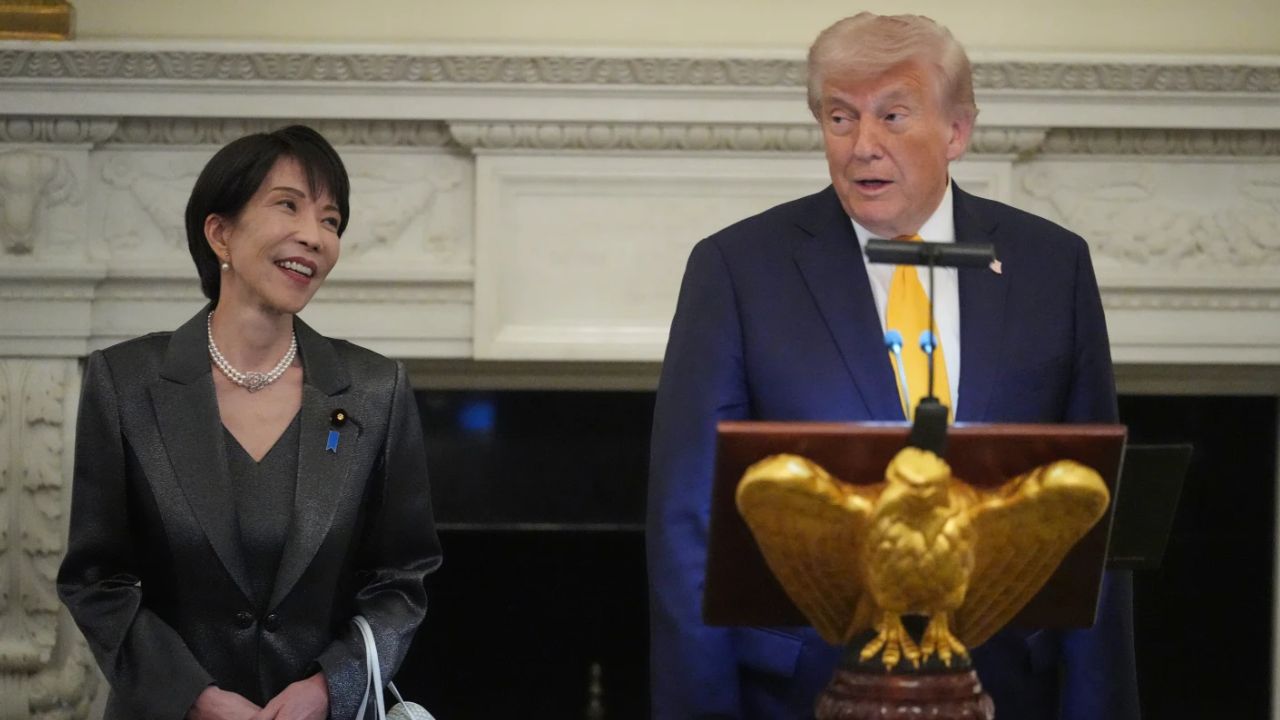
US President Donald Trump, who has not specified how long the military campaign will continue, indicated on Wednesday that he was not yet prepared to declare the conflict over.
Speaking at a rally in Kentucky, he said “we won” the war, but the United States didn’t want to have to go back every two years.
“We don’t want to leave early, do we?” he said. “We got to finish the job.”
Trump also said US forces had destroyed 58 Iranian naval vessels and predicted that oil prices would fall. Addressing reporters in Washington, he said Iran was “pretty much at the end of the line.”
“Doesn’t mean we’re going to end it immediately, but … They’ve got no navy, they’ve got no air force, they’ve got no anti-air traffic anything. They have no systems of control. We’re just riding free range over that country,” he said.